
 AUS
AUS
 NZ
NZ
 UK
UK
 CA
CA
 USA
USA
 IND
IND





Highlights
- Valeura Energy operates within the upstream oil and gas exploration and production sector.
- Expansion efforts are focused on Southeast Asian energy assets with active production.
- Activity surrounding smaller energy companies often aligns with movements in the Tsx Smallcap Index.
The global oil and gas sector includes a diverse group of companies engaged in exploration, development, and production of hydrocarbon resources. Within this landscape, Valeura Energy Inc. (TSX:VLE) operates as an upstream energy company with a geographic focus on Southeast Asia. Companies of this scale frequently appear in discussions associated with benchmarks such as the Tsx Smallcap Index, which tracks smaller publicly listed firms across sectors including energy, materials, and industrial services. The inclusion of energy companies within this benchmark highlights the ongoing role of resource development among smaller capitalization entities.
Valeura Energy Inc. concentrates on building and expanding a portfolio of upstream oil and gas assets. Activities include exploration programs, development of producing fields, and operational enhancements designed to support hydrocarbon extraction. The company’s presence in Southeast Asia connects its operations to regions known for established petroleum basins and active offshore production environments.
Upstream Operations in Southeast Asia
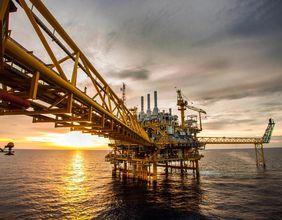
Southeast Asia hosts a range of oil and gas basins containing both mature and emerging hydrocarbon resources. Exploration and production activities in this region often involve offshore drilling platforms, subsea infrastructure, and onshore processing facilities. Geological formations across these areas include reservoirs containing crude oil, natural gas, and associated liquids.
Valeura Energy Inc. maintains operational exposure to these regions through a strategy centered on acquiring and developing producing assets. Production from these fields contributes to regional energy supply networks that serve domestic consumption as well as export markets. Offshore fields in Southeast Asia often require specialized engineering systems due to marine conditions and complex reservoir characteristics.
Exploration efforts in the region typically involve seismic imaging, geological modeling, and drilling programs designed to evaluate reservoir potential. Once viable resources are confirmed, development phases include installation of production equipment and infrastructure necessary for extraction and transportation.
Asset Expansion and Development Approach
Energy companies operating within the upstream segment often pursue expansion through both organic development and acquisition of producing assets. Valeura Energy has focused on integrating existing production fields with development projects designed to enhance hydrocarbon recovery from reservoirs.
Organic development involves improving operational efficiency within existing assets. This may include drilling additional wells, optimizing production techniques, and implementing technologies that support reservoir management. These activities aim to maintain consistent production levels from established fields.
Acquisition of producing assets represents another pathway for expanding operational capacity. Such acquisitions typically involve fields with established infrastructure and ongoing production activity. Integration of these assets into the company’s portfolio contributes to diversification across geographic regions and resource types.
Production Infrastructure and Hydrocarbon Processing
Extraction of hydrocarbons from subsurface reservoirs requires coordinated infrastructure systems that connect drilling operations with processing and transportation networks. Facilities supporting these operations include offshore platforms, wellheads, gathering pipelines, and storage systems.
Crude oil extracted from production wells undergoes separation processes to remove water and other impurities before entering transportation systems. Natural gas extracted alongside crude oil is processed to remove unwanted components and separate natural gas liquids from the gas stream.
Pipeline networks play a central role in transporting hydrocarbons from production sites to processing facilities and export terminals. In offshore environments, subsea pipelines connect wells to central processing hubs, where hydrocarbons are stabilized and prepared for transportation.
These infrastructure components operate within a broader supply chain that includes refining facilities, distribution systems, and end-use markets for petroleum products.
Market Dynamics and Sector Representation
Smaller energy companies contribute to the diversity of the Canadian equity landscape, particularly within benchmarks such as the Tsx Small Cap Index. This index includes firms across various sectors that operate with relatively smaller market capitalizations compared to larger corporations.
Energy producers within this benchmark often focus on niche markets or specific geographic regions where specialized expertise and operational efficiency play an important role. These companies contribute to overall sector activity by developing resources that complement production from larger energy corporations.
The global oil and gas industry continues to evolve through technological advancements and exploration of new resource basins. Developments in drilling technology, reservoir modeling, and offshore engineering influence operational practices across both large and smaller energy companies.
Financial Structure and Operational Metrics
Energy companies maintain financial and operational frameworks designed to support exploration and production activities. Balance sheet structure, liquidity management, and operational efficiency all contribute to maintaining ongoing development programs.
Valeura Energy Inc. (TSX:VLE) operates within this framework by managing production assets alongside development initiatives. Financial metrics such as liquidity ratios and capital structure indicators provide insight into operational stability and resource allocation within the organization.
Market activity associated with the company has reflected engagement within the broader energy sector. Trading volumes, moving averages, and valuation measures form part of the observable characteristics of publicly listed energy firms. These metrics contribute to understanding how companies interact with market participants and broader sector trends.
