
 AUS
AUS
 NZ
NZ
 UK
UK
 CA
CA
 USA
USA
 IND
IND






Highlights
- Updated reserve evaluation for PetroTal highlights Bretaña field stability
- Market valuation compared with reported reserve value
- Operational focus remains centred on production activity
Energy exploration and production companies form a significant component of the Canadian market landscape, with several firms operating assets beyond national borders. These organisations focus on crude extraction.
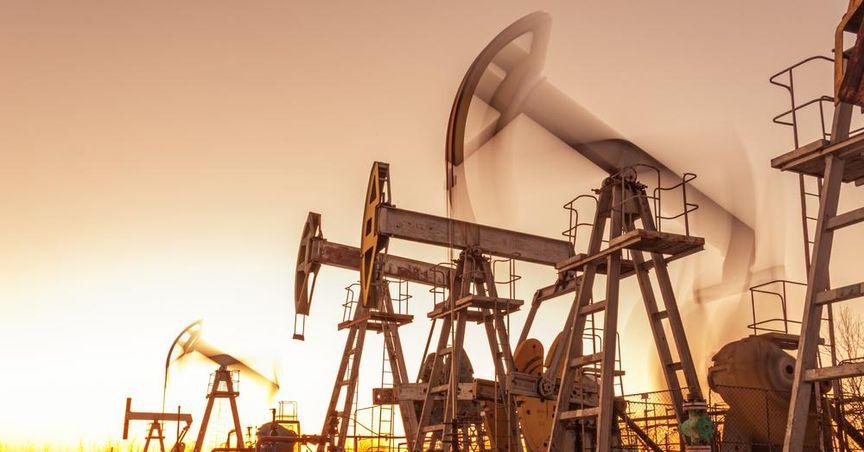
PetroTal Corp (TSX:TAL) is a publicly listed oil and gas company engaged in exploration and production activities across South America. The company’s core operations are focused on the Bretaña oil field in Peru’s Marañón Basin, which continues to serve as its primary producing asset. Activity at this field remains central to operational planning, development direction, and overall resource management. Reserve updates and field development disclosures often attract sector attention, as they offer valuable detail on production progress and the estimated scale of recoverable hydrocarbons within the energy sector.
Bretaña Field Reserve Update Details
Recent communication from PetroTal outlined the results of a new year end reserves evaluation linked to the Bretaña oil field. Reserve evaluations provide technical estimates of recoverable hydrocarbons using geological data, engineering modelling, and production history. These studies are typically conducted by independent reserve engineers who assess the volume of oil that can be extracted under defined operating conditions.
The update confirmed that the Bretaña field continues to maintain stable reserve characteristics based on geological modelling and production performance data. Stability in reserve classification often reflects consistent reservoir behaviour, reliable well productivity, and ongoing development activities that maintain field output levels. For an exploration and production company focused primarily on a single producing field, the consistency of reserve estimates plays an important role in shaping operational planning and resource management.
Development Strategy Adjustments And Planning
The reserves communication also referenced revisions to the company’s development planning framework. Field development plans describe how operators intend to expand production capacity, drill additional wells, and manage infrastructure required for transporting and processing crude. These plans often evolve as geological understanding improves or as operational conditions change.
In the case of PetroTal (TSX:TAL), the revised development framework reflects continued activity at the Bretaña field through drilling programs and infrastructure upgrades designed to support field output. Adjustments to development strategies may involve modifications to drilling sequences, improvements in well design, or updated approaches to reservoir management. These elements influence the overall trajectory of oil extraction from the reservoir and determine how efficiently the field can sustain production.
Market Valuation Gap Discussion Context
The reserves update also triggered discussion regarding the relationship between market valuation and reserve based calculations. Reserve reports frequently include metrics derived from estimated production volumes and long term oil assumptions. One widely referenced metric within reserve reporting is the present value calculation associated with proved reserves after operational costs and taxation assumptions.
When reserve based calculations are compared with the company’s market quotation, a gap sometimes appears between the estimated reserve value and the market level at which shares change hands. This type of difference has drawn attention toward PetroTal following the release of its updated reserve information. Market observers frequently examine such differences as part of broader conversations about energy sector valuations.
Production Profile And Operational Context
Production performance remains one of the most closely followed indicators for exploration and production companies. Field output data provides insight into reservoir behaviour, well productivity, and the effectiveness of development programs. PetroTal’s operations in Peru revolve around maintaining stable production levels from the Bretaña field through continuous drilling and facility management.
Operational activity includes maintaining well performance, managing pipeline transport routes, and ensuring that field infrastructure supports consistent crude delivery to export channels. These operational elements form the practical foundation of oil field management and determine how effectively reserves can be converted into produced barrels. For companies focused on a single producing region, operational reliability plays a central role in sustaining output.
Oil Assumptions And Economic Inputs
Reserve evaluations rely on several technical assumptions to estimate the value associated with underground resources. These assumptions typically include projected oil benchmarks, operating cost structures, development expenditure estimates, and tax frameworks applicable to the jurisdiction in which the field operates. Each assumption influences the resulting valuation calculations produced by reserve engineers.
The evaluation connected with PetroTal incorporates updated assumptions relating to oil benchmarks and operational costs. These assumptions reflect broader industry conditions and are commonly updated as global energy markets evolve. Adjustments to these inputs can influence the calculated reserve value associated with producing assets such as the Bretaña field.
Narrative Around Estimated Fair Value
One widely circulated narrative associated with PetroTal centres on a calculated fair value estimate derived from production forecasts, operating margins, and valuation multiples commonly used within the energy sector. Narratives of this kind often combine reserve information with projected production profiles to construct theoretical company valuations.
Such valuation narratives rely on assumptions regarding oil benchmarks, operational costs, and production expansion. Even small changes in these underlying inputs can alter the resulting valuation estimate. As a result, discussions surrounding these narratives often focus on how sensitive the estimated figure may be to shifts in operating conditions or market benchmarks.
Energy Sector Attention Following Update
Reserve updates from oil producers frequently draw attention across the broader Canadian energy sector, particularly when they involve producing assets located in internationally recognised basins. PetroTal (TSX:TAL) operates within a region that has attracted exploration activity for many years, making developments within the Bretaña field relevant to industry observers.
The company’s communication regarding reserves, development planning, and operational assumptions has therefore contributed to wider discussion within energy sector circles. Reserve updates provide insight into how companies manage producing fields, allocate resources toward development programs, and maintain long term field operations in overseas production regions.
Operational Infrastructure Supporting Production
Oil field production depends heavily on infrastructure networks that connect wells to processing facilities and export routes. Pipelines, storage facilities, and transportation networks form the logistical backbone of energy production. PetroTal’s operations in Peru include infrastructure designed to transport crude from the Bretaña field to distribution channels serving global markets.
Field infrastructure must operate reliably in order to maintain steady production flows. Maintenance programs, monitoring systems, and operational oversight all contribute to the smooth functioning of these facilities. Within exploration and production companies, infrastructure management is closely tied to the broader success of field development initiatives.
Geological Characteristics Of Bretaña Reservoir
The Bretaña oil field sits within a geological structure that has been studied extensively through seismic surveys, drilling data, and reservoir modelling. Geological analysis provides insights into the structure of underground formations, the distribution of hydrocarbons, and the behaviour of reservoir pressure systems.
Understanding reservoir characteristics allows engineers to design drilling programs and manage production strategies more effectively. Reservoir modelling plays an important role in reserve classification because it informs estimates regarding recoverable hydrocarbon volumes. For PetroTal, geological understanding of the Bretaña field underpins the company’s reserve estimates and development plans.
Role Of Independent Reserve Engineers
Reserve evaluations are typically performed by specialised engineering firms that provide independent technical assessments. These engineers analyse geological data, production records, and development plans to determine the amount of oil that can be extracted under defined operating conditions. Independent assessments help maintain consistency in reserve reporting across the energy sector.
The evaluation related to PetroTal was prepared using established reserve reporting methodologies commonly applied across international oil markets. These methodologies aim to ensure that reserve classifications reflect realistic production expectations based on available geological and engineering data.
Regional Energy Activity In Peru
Peru hosts several producing oil regions within the Amazon Basin and surrounding geological structures. Energy companies operating in these regions must navigate logistical challenges associated with remote environments, transportation networks, and regulatory frameworks. Despite these challenges, the region remains an established source of crude production.
Companies active in the basin often rely on river transport systems, pipelines, and export terminals to move crude toward international markets. Operational planning in these environments involves coordination with regional infrastructure networks and regulatory authorities overseeing energy production activities.
Market Discussions Around Reserve Metrics
Reserve metrics often become a focal point for market discussion because they translate geological resources into economic estimates. These metrics include calculations based on production forecasts and discount factors applied to projected revenue streams generated by oil extraction.
When reserve metrics are compared with market quotations, differences sometimes emerge between technical valuations and market levels. Such differences have prompted conversation regarding PetroTal (TSX:TAL) following the release of its updated reserve information. Market participants frequently examine these metrics as part of broader sector valuation discussions.
