
 AUS
AUS
 NZ
NZ
 UK
UK
 CA
CA
 USA
USA
 IND
IND





Highlights
- Canadian Natural Resources operates as a major oil and natural gas producer within Canada’s energy sector.
- The company maintains operations across Western Canada as well as offshore regions beyond North America.
- Its operational scale reflects the presence of large energy producers represented in the s&p 60 benchmark.
Canada’s energy industry forms a significant part of the national economic framework, linking hydrocarbon exploration with global supply networks. Canadian Natural Resources Limited (TSX:CNQ) operates within this sector as a diversified producer of crude oil and natural gas. Companies with large scale resource operations frequently appear in discussions connected with Canadian market benchmarks such as the s&p 60. This benchmark tracks prominent corporations across sectors including energy, finance, and telecommunications, highlighting the importance of petroleum development within the Canadian industrial landscape.
Canadian Natural Resources Limited conducts exploration, development, and production activities across a wide range of hydrocarbon reservoirs. These operations involve extraction of crude oil, natural gas, and associated petroleum products from geological formations located in several regions of Canada as well as offshore fields outside North America.
Resource Development in Western Canada
Western Canada contains extensive sedimentary basins that hold significant hydrocarbon resources. Exploration programs in these basins involve geological surveys, seismic mapping, and drilling activities designed to identify subsurface reservoirs. Once the presence of hydrocarbons is confirmed, development programs establish infrastructure necessary for production.
Canadian Natural Resources Limited maintains a broad portfolio of projects within Western Canada. These projects include conventional oil fields, heavy oil formations, and oil sands deposits that contain bitumen embedded within sand and rock layers. Each resource type requires specific extraction techniques suited to its geological characteristics.
Oil sands development often involves thermal recovery systems that use heat to mobilize bitumen from underground formations. Once the resource becomes fluid, it flows toward production wells where it can be transported to processing facilities for stabilization and further handling. Conventional oil reservoirs typically allow hydrocarbons to flow more easily through reservoir rock formations, enabling extraction through drilling and pumping systems.
These operations contribute to Canada’s overall petroleum production environment, linking upstream extraction with transportation networks and refining infrastructure.
Offshore Energy Activities
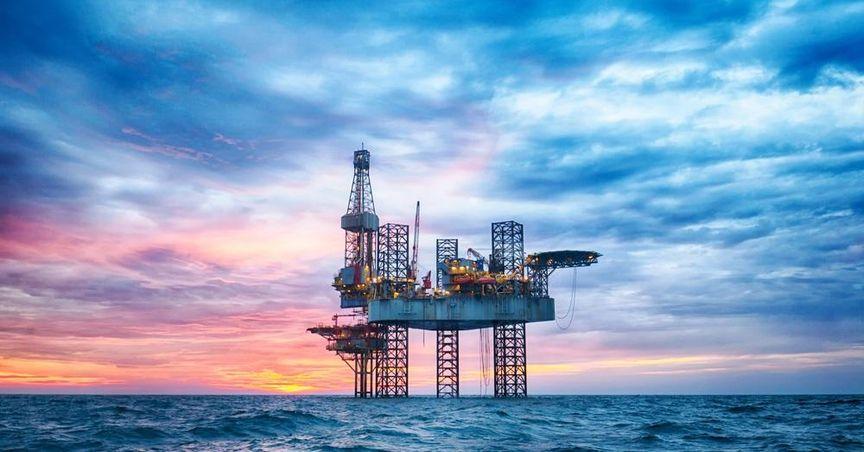
Beyond Canada’s onshore fields, Canadian Natural Resources maintains operations in offshore hydrocarbon regions. Offshore energy development occurs in marine environments where petroleum reservoirs exist beneath the seabed. Extraction in these locations requires specialized engineering systems capable of operating under oceanic conditions.
Offshore platforms, subsea pipelines, and marine transportation systems form key components of these operations. Infrastructure connects offshore wells with processing facilities where crude oil and natural gas undergo stabilization and separation processes before entering global distribution networks.
Production areas associated with offshore energy activity include the North Sea as well as selected coastal regions in Africa. The North Sea has long been recognized as an important petroleum producing area containing numerous offshore reservoirs. Energy extraction in these environments contributes to the international dimension of the company’s operations.
Through the combination of Canadian and international projects, hydrocarbon production occurs across a geographically diverse portfolio of resource regions.
Diverse Hydrocarbon Portfolio
Energy producers operating across multiple regions often maintain diversified hydrocarbon portfolios. Canadian Natural Resources Limited (TSX:CNQ) manages production that includes light crude oil, medium crude oil, heavy oil, bitumen, synthetic crude oil, natural gas liquids, and natural gas.
Light and medium crude oil typically flow more easily from reservoir rock formations due to their lower viscosity. These resources are commonly extracted through conventional drilling techniques followed by stabilization and transportation through pipeline systems.
Heavy oil and bitumen require specialized extraction methods because of their thicker consistency. Thermal recovery processes help mobilize these hydrocarbons so they can move through reservoir formations toward production wells.
Natural gas reservoirs produce gaseous hydrocarbons that are transported through gathering systems to processing facilities. Processing plants remove impurities and separate natural gas liquids from the gas stream before distribution through pipeline networks.
Infrastructure Supporting Energy Production
Energy production relies on a network of infrastructure that connects extraction sites with transportation and processing systems. Facilities supporting these operations include drilling rigs, well pads, storage terminals, pipelines, and processing plants.
Pipeline networks play an important role in transporting crude oil and natural gas from production fields to refining or distribution hubs. Gathering pipelines collect hydrocarbons from individual wells and transport them toward centralized facilities where separation and stabilization occur.
Processing plants remove water, gases, and other impurities from extracted hydrocarbons. Crude oil typically undergoes stabilization before entering pipeline networks, while natural gas facilities separate natural gas liquids and other components before distribution.
Technological developments in drilling and reservoir management continue to influence extraction practices across the energy sector. Horizontal drilling techniques, advanced reservoir imaging, and enhanced recovery methods contribute to improved access to hydrocarbon resources contained within complex geological formations.
Energy Sector Representation in Canadian Benchmarks
Large petroleum producers represent a significant component of major Canadian market indicators such as the TSX 60 benchmark. This benchmark includes companies from sectors including financial services, telecommunications, materials, and energy. The presence of major oil and gas producers reflects the continuing importance of hydrocarbon extraction within Canada’s industrial framework.
Energy development contributes to a wide network of economic activity involving transportation infrastructure, refining operations, petrochemical manufacturing, and industrial fuel supply systems. Petroleum products remain central to sectors such as transportation, manufacturing, and energy generation.
Through exploration and production activities across several geographic regions, large energy companies remain integrated within global petroleum supply systems. These operations support the availability of hydrocarbons used in fuel production, chemical manufacturing, and energy distribution networks.
