
 AUS
AUS
 NZ
NZ
 UK
UK
 CA
CA
 USA
USA
 IND
IND





Highlights
- Canadian oil and gas operations define the activities of Baytex Energy across North American resource regions.
- Exploration and production assets span Western Canada and parts of the United States.
- Market activity surrounding the company reflects developments within the broader energy sector.
Baytex Energy operations in the TSX smallcap Index highlight oil and gas exploration, North American production assets, and the broader energy sector landscape.
The North American energy sector includes numerous companies engaged in the exploration, development, and production of crude oil and natural gas. Within Canadian equity markets, energy producers frequently appear across various benchmarks, including the TSX Smallcap Index. This index reflects smaller publicly listed companies representing a range of sectors such as energy, materials, technology, and industrial activity. Among these entities, Baytex Energy operates as an oil and gas producer with assets located in both Canada and the United States.
Oil and gas exploration and production companies play a central role in supplying fuels used in transportation, manufacturing, and electricity generation. Activities in this sector include geological assessment, drilling, extraction, and transportation of hydrocarbons from underground reservoirs to processing and distribution networks. Through these processes, energy producers contribute to regional supply chains that support industrial and economic activity.
Market discussions surrounding Baytex Energy have recently drawn attention following updated commentary from financial institutions regarding company shares. While such commentary forms part of market coverage across energy companies, operational activity remains closely tied to resource development and production across established oil and gas regions.
Energy Operations Across North America
Energy companies operating in North America often manage portfolios of exploration and production assets spread across multiple geological basins. Baytex Energy (TSX:BTE) maintains operations across Western Canada and the United States, focusing primarily on crude oil and natural gas extraction.
Within Canada, production activity occurs in resource-rich regions characterized by extensive hydrocarbon deposits. Western Canada hosts several sedimentary basins containing significant oil and natural gas reserves. Exploration and drilling programs within these basins identify reservoir formations capable of producing hydrocarbons through conventional and unconventional extraction techniques.
Operations within the United States complement Canadian activities by providing exposure to additional hydrocarbon basins known for shale formations and tight oil reservoirs. Drilling and completion techniques such as horizontal drilling and hydraulic fracturing enable extraction from rock layers that historically proved difficult to access.
The combination of Canadian and American assets allows energy producers to participate in diverse geological settings while supplying hydrocarbons to multiple markets across North America.
Exploration and Production Processes
The oil and gas industry relies on a structured sequence of activities beginning with geological assessment and culminating in hydrocarbon production. Exploration represents the initial stage, during which geoscientists study underground formations using seismic surveys and geological mapping.
These surveys generate images of subsurface rock structures that may contain hydrocarbon reservoirs. Once potential reservoir formations are identified, drilling programs commence to evaluate the presence of oil or natural gas. Wells drilled into underground formations retrieve geological data and fluid samples that help determine reservoir characteristics.
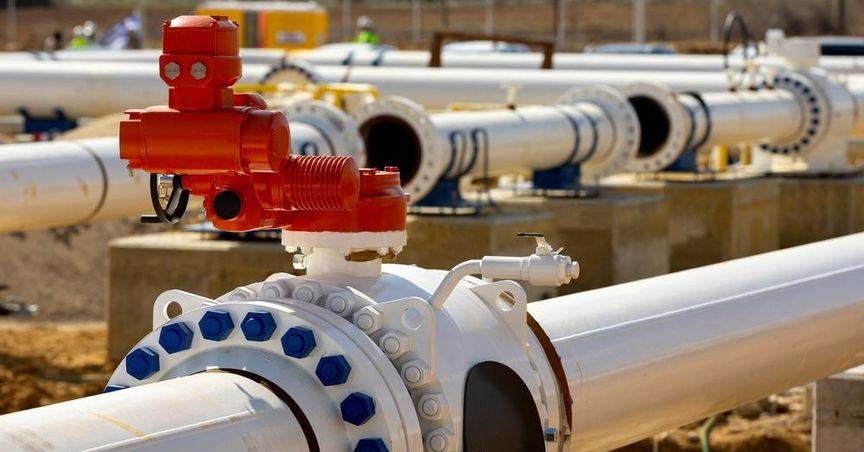
Following successful evaluation, development activity expands drilling programs and establishes infrastructure required for extraction and transportation. Production wells deliver crude oil, natural gas, and associated liquids to surface facilities where hydrocarbons undergo separation and processing before entering pipeline networks.
Companies such as Baytex Energy (TSX:BTE) manage these processes across multiple production sites. Operational planning includes maintenance of wells, management of infrastructure, and coordination with pipeline and transportation systems that move hydrocarbons to refining and distribution facilities.
Market Context for Energy Producers
Energy producers operating in Canadian markets often appear within equity benchmarks reflecting the broader economic landscape. Companies linked to oil and gas extraction contribute to the resource-based segment of the Canadian economy. Participation within benchmarks such as the tsx small cap index reflects the presence of emerging or mid-scale enterprises within the public market structure.
Market activity involving energy companies often corresponds with developments in global commodity markets, production levels across major oil-producing regions, and demand for hydrocarbons across transportation and industrial sectors. Supply chains within the energy sector remain interconnected with refining, petrochemical production, and electricity generation.
Companies engaged in hydrocarbon extraction therefore operate within a complex environment influenced by geological conditions, technological advancements in drilling and extraction, and infrastructure used to transport energy resources. Regional production activity contributes to the supply of fuels that support manufacturing, transportation networks, and residential energy consumption.
Operational Footprint and Resource Regions
Hydrocarbon basins located across Western Canada have long served as centers of oil and natural gas production. Sedimentary formations within these regions contain layers of rock capable of storing hydrocarbons formed through geological processes over long time spans.
Production activities involve drilling wells that reach targeted formations thousands of meters below the surface. Once wells intersect hydrocarbon reservoirs, extraction systems bring crude oil and natural gas to surface facilities for processing.
Operations conducted by Baytex Energy (TSX:BTE) span several of these regions, integrating drilling programs with existing energy infrastructure such as pipelines and processing plants. Resource extraction therefore forms part of a broader network connecting upstream production with midstream transportation and downstream refining.
Energy companies operating within North America also adapt to evolving technological practices designed to enhance extraction efficiency and improve understanding of reservoir formations. Advances in geological imaging, drilling methods, and well completion techniques continue to influence how hydrocarbon resources are developed.
These technological developments contribute to the ongoing evolution of the oil and gas industry, shaping how companies explore, develop, and produce hydrocarbons across established energy regions.
