
 AUS
AUS
 NZ
NZ
 UK
UK
 CA
CA
 USA
USA
 IND
IND







Highlights
- Rare earth production extends far beyond mining and involves several specialised processing stages.
- Refining and separation remain critical parts of the global rare earth supply chain.
- Australian rare earth companies are increasingly moving downstream to capture additional value.
Australia's rare earth industry is expanding beyond mining into processing, refining and downstream manufacturing as companies seek greater participation in the global critical minerals supply chain.
Rare earths have become one of the most strategically significant resources in the global economy, supporting technologies ranging from electric vehicles and renewable energy systems to advanced electronics and defence applications. While mining often receives the most attention, the journey from ore extraction to finished magnet production involves multiple complex stages. Companies such as Lynas Rare Earths (ASX:LYC) are helping position Australia as an increasingly important participant in this evolving supply chain. Across the broader ASX 200, interest in rare earths continues to grow as governments and industries seek greater supply-chain diversification and resource security.
Understanding the Rare Earth Journey
Rare earth investing often appears complex because the industry involves much more than simply extracting minerals from the ground.
The supply chain begins with mining but extends through processing, refining, separation and manufacturing before rare earth materials reach end-use industries. Each stage contributes to the overall value of the final product and presents its own technical and operational challenges.
Understanding these stages can help explain why certain companies attract attention and why downstream development is becoming increasingly important across the sector.
Stage One: Extracting the Resource
Mining Provides the Starting Point
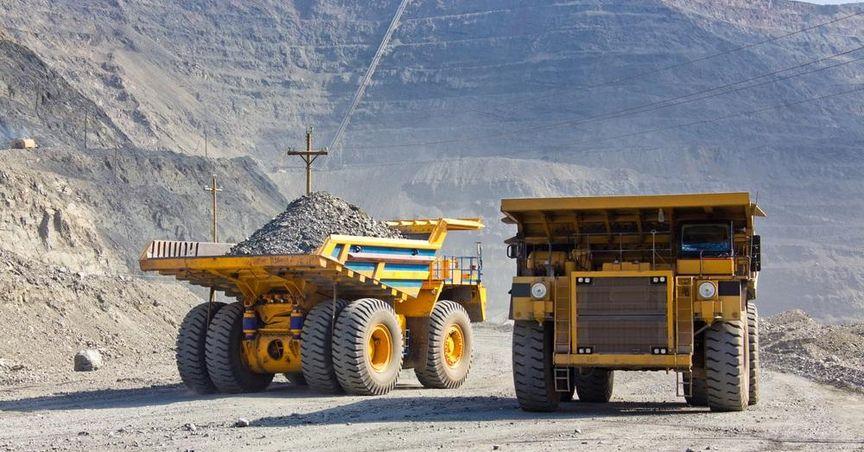
The rare earth journey begins with the extraction of ore containing rare earth elements. Australia hosts several significant rare earth deposits, making the country an important contributor to global supply.
Mining companies focus on identifying, developing and extracting resources that contain commercially viable concentrations of rare earth minerals. Ore quality, resource characteristics and operational efficiency can influence the attractiveness of individual projects.
While mining remains essential, it represents only the first step in a much longer value chain.
Resource Quality Matters
Not all rare earth deposits are equal. Factors such as mineral composition, concentration levels and extraction complexity can influence project economics and operational outcomes.
High-quality deposits can support more efficient production and may provide advantages when moving material through subsequent processing stages.
As a result, resource quality remains a key consideration within the rare earth sector.
The Processing Challenge
Why Processing Is So Important
Processing is widely regarded as one of the most important stages of the rare earth supply chain.
Once ore is extracted, it must undergo complex treatment processes to separate valuable rare earth elements from other materials. This stage requires specialised expertise, advanced facilities and sophisticated chemical processes.
The technical complexity involved in processing has historically limited the number of participants capable of operating at scale.
A Strategic Supply-Chain Focus
Processing capacity has become a major strategic priority as governments and industries seek to strengthen supply-chain resilience.
Developing domestic and regional processing capabilities is increasingly viewed as an important step towards reducing supply concentration and supporting greater diversification across the rare earth industry.
As a result, processing infrastructure continues to attract significant attention from industry participants and policymakers.
Australian Companies Expand Downstream
Building More Than Mines
Many Australian rare earth companies are pursuing opportunities beyond mining by developing downstream processing capabilities.
Iluka Resources (ASX:ILU) is among the companies investing in refining infrastructure aimed at supporting greater domestic processing capacity. These initiatives reflect a broader industry trend focused on capturing additional value within the supply chain.
By moving beyond resource extraction, companies can strengthen their participation in higher-value stages of production.
Integrated Development Strategies
Arafura Rare Earths (ASX:ARU) is pursuing an integrated approach that combines resource development with processing activities.
Integrated models can provide greater control over production pathways while supporting supply-chain participation across multiple stages. Such strategies are becoming increasingly relevant as the industry seeks to develop more complete rare earth ecosystems.
This trend reflects a growing recognition that value creation often extends well beyond the mining stage.
The Path to Magnet Production
Turning Materials Into Technology
After processing and separation, rare earth materials move further downstream into manufacturing applications.
Separated rare earth oxides can be converted into metals and alloys that are ultimately used to produce permanent magnets. These magnets play a crucial role in a range of technologies, including electric motors, renewable energy systems and electronic devices.
The magnet production stage represents one of the highest-value segments of the supply chain.
Expanding Supply-Chain Participation
Many industry participants are exploring partnerships and initiatives designed to strengthen access to downstream manufacturing opportunities.
The objective is to create more complete supply chains that extend from resource extraction through to end-product manufacturing. Such efforts reflect the growing importance of supply security and industrial capability within the global rare earth market.
As demand for advanced technologies continues evolving, downstream participation remains a significant area of focus.
Where Does the Value Accumulate?
Beyond Resource Extraction
While mining remains a critical component of the rare earth industry, much of the value chain exists beyond the extraction stage.
Processing, refining and manufacturing activities often involve specialised capabilities that contribute significantly to the overall value of finished products.
Companies that successfully participate across multiple stages of the supply chain may gain access to broader commercial opportunities and greater strategic relevance.
Complexity Creates Opportunity
Moving downstream also introduces additional complexity.
Processing facilities require significant technical expertise, operational capability and long-term planning. Developing these assets can present challenges, but successful execution may strengthen a company's position within the broader industry.
This balance between opportunity and complexity is a defining characteristic of the rare earth sector.
Why Supply Chains Matter More Than Ever
Strategic Resources Gain Attention
Rare earths have become increasingly important as governments and industries focus on securing access to critical minerals.
Supply-chain resilience, diversification and industrial capability are now central themes shaping the sector. As a result, attention is increasingly shifting from individual mining projects to the broader production ecosystem.
The ability to support multiple stages of the supply chain is becoming an important competitive advantage.
Australia's Growing Role
Australia continues to strengthen its position as a significant participant in the global rare earth industry.
The country's resource base, project pipeline and growing processing ambitions are contributing to its emergence as a key supplier within international critical minerals markets.
This development is helping support greater supply-chain diversity while creating new opportunities across the sector.
Momentum Across ASX Metal & Mining Stocks
Many companies within the ASX Metal & Mining Stocks category are exploring opportunities to expand beyond traditional resource extraction.
The growing focus on processing, refining and downstream participation reflects broader efforts to capture additional value and strengthen Australia's role within critical mineral supply chains.
As demand for advanced technologies continues evolving, companies that successfully progress along the supply chain are likely to remain an important part of the industry's development story.
The Mine-to-Magnet Opportunity
Rare earths represent far more than a mining story. The journey from resource extraction to finished magnet production involves multiple stages, each contributing to the value and strategic importance of the final product.
Australian companies are increasingly pursuing opportunities across processing, refining and downstream manufacturing, reflecting the growing significance of supply-chain participation. While challenges remain, the industry's evolution highlights how value creation increasingly depends on capabilities that extend well beyond the mine gate.
Understanding the mine-to-magnet pathway provides a clearer perspective on the opportunities, complexities and strategic importance of the rare earth sector in a rapidly changing global economy.
