
 AUS
AUS
 NZ
NZ
 UK
UK
 CA
CA
 USA
USA
 IND
IND






Highlights
MSI reviews Toondoon Kaolin Project operations
Export and logistics pathways gain focus
Strong alignment on product handling plans
Zeotech strengthens its kaolin development pathway as MSI evaluates operational readiness, logistics planning, and export strategy at the Toondoon Kaolin Project, supporting commercial progress and infrastructure coordination.
Strategic Visit Strengthens Kaolin Development Outlook
Kaolin Offtake Partner MSI visits Zeotech’s Toondoon Kaolin Project marks an important stage in the ongoing development journey for industrial kaolin production and export planning. The visit reflects growing coordination between mineral development activities and international trade alignment as operational readiness moves forward.
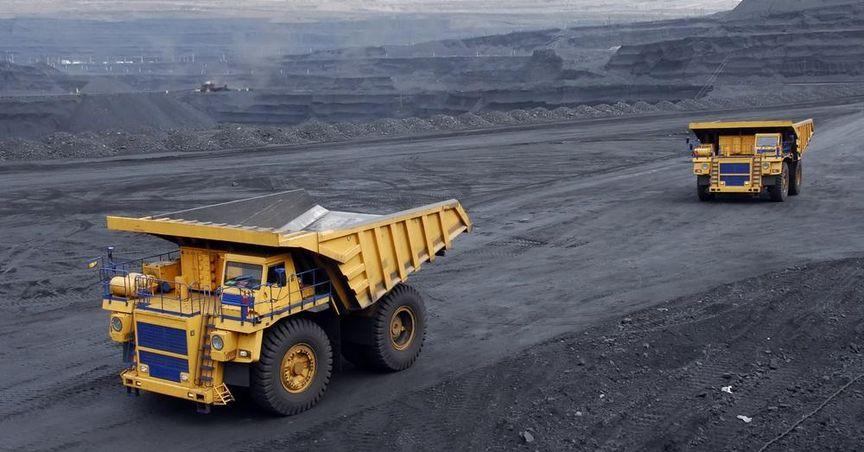
Zeotech (ASX:ZEO) welcomed Jiangsu Mineral Sources International Trading Company (MSI) leadership to the Toondoon Kaolin Project site in Queensland’s Burnett region. The project area has been positioned as a key development zone for kaolin extraction and downstream processing aligned with export markets.
During the visit, MSI representatives examined operational layouts, site configuration, and early-stage mining readiness. Attention was placed on how kaolin material could be handled from extraction through to export channels, ensuring that each stage of the supply chain aligns with commercial expectations.
The engagement also included detailed discussions on logistical flow, storage planning, and bulk material movement. These discussions are essential for ensuring that kaolin output can transition smoothly from production sites to shipping points without disruption.
Focus on Export Readiness and Infrastructure Alignment
A significant part of the visit involved reviewing export pathways and logistics infrastructure. The Port of Bundaberg facilities played an important role in this assessment, where material handling systems and shipping coordination were reviewed in detail.
Stakeholders involved in infrastructure planning discussed how kaolin products could be efficiently transported from the project site to export terminals. This includes consideration of storage methods, loading procedures, and coordination with port operations to support bulk shipments.
The discussions emphasized scalability and practical execution, ensuring that export processes are not only technically feasible but also commercially structured to support long-term supply commitments.
The review of logistics pathways highlights how mining projects today are increasingly integrated with export infrastructure planning from early stages. This approach helps reduce bottlenecks and supports smoother transitions from production to international markets.
Strengthening Offtake and Commercial Coordination
The visit follows a binding offtake agreement established between the parties for kaolin and cosmetic-grade kaolin products. This agreement forms a foundational step in aligning production output with external demand channels.
MSI’s engagement reflects interest in ensuring that product specifications, handling methods, and shipment requirements are fully aligned with end-market expectations. The trading company’s review of operations also included considerations for initial bulk shipment readiness and coordination for future supply movements.
Corporate and technical briefings held at operational and laboratory facilities in Brisbane provided further clarity on product quality frameworks, processing methodologies, and innovation pathways connected to kaolin development.
These discussions are particularly relevant for supporting consistent product characteristics, which are essential for industrial applications and export reliability.
Port Logistics and Material Handling Evaluation
A core component of the engagement was the evaluation of port logistics and material handling systems. Bulk mineral export requires careful coordination between mine output and shipping infrastructure, and this visit focused heavily on ensuring that these elements are well aligned.
Key areas of focus included:
-
Bulk storage configurations
-
Loading efficiency at port facilities
-
Transport routes between site and export point
-
Coordination with logistics stakeholders
The Port of Bundaberg emerged as a central node in these discussions, with attention placed on how it can support scalable export operations for kaolin products.
This evaluation supports the broader objective of building a streamlined export chain capable of handling increasing production volumes as the project advances.
Development of Industrial Kaolin and Advanced Materials
The Toondoon Kaolin Project is being developed for kaolin direct shipping ore operations along with advanced material production pathways. A key component of the project is the development of AusPozz™, a high-performance metakaolin product used in low-carbon concrete applications.
This material plays a role in supporting modern construction methods that prioritize reduced environmental impact through supplementary cementitious materials. Its application under established construction standards makes it relevant to infrastructure development trends and sustainable building practices.
The integration of kaolin extraction with advanced material development reflects a dual-track approach, where raw material production supports both export markets and value-added industrial applications.
International Trade Alignment and Market Interest
MSI’s involvement highlights the importance of international trade alignment in resource development projects. As a global raw-material trading organization, MSI’s interest signals attention toward reliable supply chains and consistent material quality.
The visit included inspection of operational planning frameworks and early-stage export coordination systems. This ensures that expectations between production and trading partners remain aligned from the outset.
Such engagements also support smoother transition from development phase to commercial shipment phase, particularly when bulk mineral exports require coordinated handling across multiple infrastructure points.
Infrastructure Coordination and Stakeholder Engagement
Ongoing engagement with infrastructure stakeholders remains a central part of the project development strategy. Coordination between mining operations, transport systems, and port authorities ensures that logistical challenges are addressed early.
Engagement sessions focused on:
-
Material flow optimization
-
Export scheduling frameworks
-
Storage and handling standards
-
Integration with port operations
This level of coordination helps reduce operational friction and supports predictable export performance once shipments commence.
Broader Market Context and Resource Sector Linkages
Kaolin development projects are increasingly connected to global industrial supply chains, where material consistency and logistics reliability are critical. The Toondoon Kaolin Project sits within this broader resource development context, where export-oriented planning is central to long-term operations.
For broader market understanding of resource-linked equities, reference material such as ASX dividend stocks provides additional context on how resource and industrial companies are positioned within investment frameworks.
Forward Development Pathway
The project continues to progress through stages of operational readiness, with focus areas including:
-
Preparation for initial bulk shipments
-
Refinement of material handling systems
-
Strengthening export logistics coordination
-
Expansion of stakeholder engagement
These steps are aligned with transitioning from development planning to structured commercial activity.
The collaboration between mining operations and international trading partners is expected to support steady progress toward export execution, with emphasis on reliability, scalability, and operational efficiency.
The visit by MSI to the Toondoon Kaolin Project marks a significant moment in aligning production capability with export readiness. Through detailed evaluation of logistics, infrastructure, and material handling systems, both parties have reinforced their focus on structured development and commercial coordination.
The integration of industrial kaolin production with advanced material applications further strengthens the project’s positioning within global supply chains. Continued infrastructure engagement and operational planning are expected to support the next phase of development as export pathways move closer to execution.
