
 AUS
AUS
 NZ
NZ
 UK
UK
 CA
CA
 USA
USA
 IND
IND






Highlights
- Fortescue is facing increased scrutiny following a major Federal Court ruling tied to cultural loss compensation claims.
- The case has intensified focus on Indigenous land rights, ESG risks, and social licence issues across the mining sector.
- Investor attention is increasingly shifting toward regulatory and operational risk management within ASX 200 resource companies.
Fortescue’s native title ruling has intensified market focus on ESG risks, Indigenous land rights, and social licence issues shaping the future of Australia’s mining sector.
Australia’s mining sector is facing renewed attention around Indigenous land rights, environmental responsibility, and social licence challenges following a significant legal ruling involving Fortescue Ltd (ASX:FMG). The Federal Court decision linked to the Yindjibarndi Ngurra Native Title Compensation Claim has reignited broader discussion around how cultural heritage, traditional land ownership, and legal accountability may increasingly shape the future operating environment for major resource companies.
The ruling has also reinforced the growing importance of environmental, social, and governance considerations across Australia’s resources sector, particularly for companies operating on traditional Indigenous lands.
Native Title Ruling Raises Industry-Wide Questions
The recent Federal Court decision involving Fortescue has become one of the most closely watched legal developments within the Australian mining industry.
The case centred around compensation linked to cultural loss and economic impacts associated with mining activities on traditional land. While the financial implications remain subject to detailed legal reasoning and ongoing interpretation, the broader significance of the ruling extends well beyond a single company.
The decision highlights the increasing material importance of Indigenous heritage rights, land access considerations, and community engagement within large-scale resource development projects.
For mining companies operating across Australia, the ruling may influence future approaches toward project approvals, negotiations with traditional owners, and long-term social licence strategies.
Within the broader ASX Metal & Mining Stocks sector, environmental and social governance considerations are becoming increasingly central to operational and valuation discussions.
Fortescue Remains a Major Iron Ore Producer
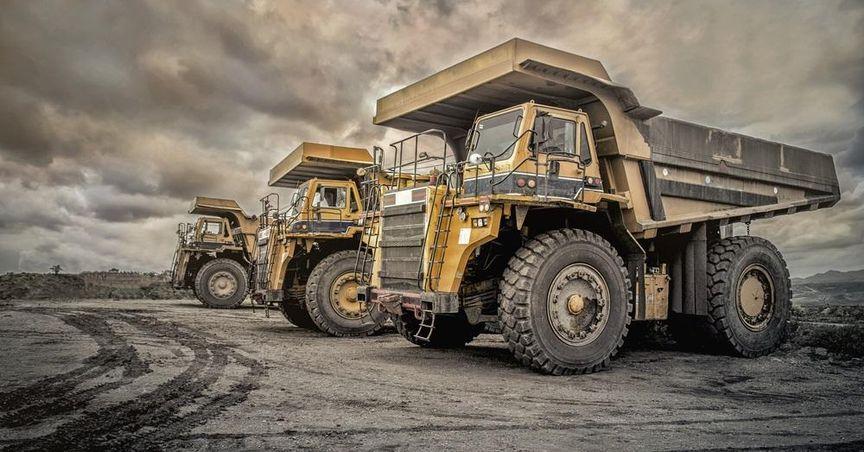
Fortescue remains one of Australia’s largest iron ore producers, operating extensive mining and export infrastructure across Western Australia.
The company has built its position through large-scale iron ore production while also expanding into decarbonisation, renewable energy, and green hydrogen initiatives aimed at supporting long-term energy transition strategies.
Recent operational updates highlighted strong shipment volumes and resilient profitability across the core iron ore business. These production results continue underpinning the company’s broader operational strength and cash flow generation capacity.
At the same time, the latest legal ruling has introduced renewed focus on non-financial operational risks that may increasingly influence market sentiment surrounding large resource companies.
The mining industry’s growing exposure to ESG-related considerations is reshaping how investors evaluate long-term operational sustainability.
ESG Risks Are Becoming Financially Material
Environmental, social, and governance risks are now playing a much larger role across global investment markets.
For mining companies, social licence and Indigenous engagement have become especially important due to the direct relationship between land access, project approvals, and long-term operational continuity.
The Fortescue ruling reinforces how cultural heritage and traditional owner rights may increasingly carry financial and reputational implications alongside standard operational risks.
Global investors are placing greater emphasis on how companies manage community relationships, regulatory compliance, environmental stewardship, and Indigenous engagement frameworks.
As a result, ESG considerations are no longer viewed solely as reputational issues but increasingly as financially material operational risks.
Iron Ore Operations Continue Supporting Cash Flow
Despite the heightened legal and ESG scrutiny, Fortescue’s core operational performance remains heavily tied to iron ore production and export activity.
Strong shipment volumes and large-scale production capacity continue supporting the company’s earnings profile. Iron ore remains one of Australia’s most important export commodities and a major contributor to broader mining sector performance.
Commodity market conditions, Chinese steel demand, infrastructure activity, and global industrial growth trends continue influencing sentiment toward major iron ore producers.
Within the broader ASX Industrial Stocks space, large-scale mining companies remain highly sensitive to both operational performance and broader macroeconomic conditions.
Decarbonisation Strategy Adds Another Layer
Fortescue has also attracted significant market attention for its long-term decarbonisation and green energy ambitions.
The company has invested heavily into renewable energy infrastructure, green hydrogen projects, and clean energy development initiatives aimed at positioning the business for a lower-emissions future.
These projects form part of a broader transition strategy as global resource companies adapt to evolving climate expectations and future energy market shifts.
However, large-scale decarbonisation projects also introduce execution risk, funding requirements, and operational complexity, particularly when combined with traditional mining operations and legal challenges tied to land access and community engagement.
The balance between sustaining mining profitability while pursuing future energy transition goals remains a major area of investor focus.
Legal and Regulatory Risks Continue Evolving
The Australian resources sector continues operating within an increasingly complex regulatory and legal environment.
Native title rights, environmental approvals, cultural heritage protection, and community consultation processes have become more prominent following several high-profile disputes and legal developments across the industry.
Mining companies now face growing pressure to strengthen engagement with Indigenous communities and improve transparency surrounding land use and operational impact.
The Fortescue case may therefore influence how future mining developments are negotiated and managed across Australia’s resource-rich regions.
The market often reacts strongly to developments that highlight broader regulatory or operational risks capable of affecting long-term project economics.
Market Attention Turns Toward Social Licence
Social licence has become one of the most important themes shaping the future of the global mining industry.
Companies capable of maintaining stronger community relationships, Indigenous partnerships, and responsible environmental practices are increasingly viewed more favourably by global investors and institutional capital providers.
The Fortescue ruling reinforces how social licence considerations can directly intersect with operational continuity, legal exposure, and shareholder sentiment.
As global ESG expectations continue evolving, mining businesses may face increasing pressure to demonstrate stronger governance standards and stakeholder engagement strategies.
Mining Sector Outlook Remains Complex
Australia’s resources sector continues benefiting from global demand for iron ore, critical minerals, energy transition infrastructure, and industrial commodities.
At the same time, legal disputes, ESG expectations, operational cost pressures, and project execution risks remain central challenges across the industry.
Fortescue’s latest legal development highlights how quickly broader market discussions can shift from production strength and commodity prices toward governance, social responsibility, and regulatory exposure.
As investors continue reassessing risk across the mining sector, Indigenous engagement and social licence considerations may remain increasingly important components of future valuation discussions.
