
 AUS
AUS
 NZ
NZ
 UK
UK
 CA
CA
 USA
USA
 IND
IND







Highlights
New ore agreement supports extended processing capacity
Production flexibility improves with third-party infrastructure
Valuation discussion gains traction amid strong market interest
Ora Banda Mining strengthens its operational pathway through a new ore sales agreement, enhancing processing flexibility while drawing attention to its valuation and long-term growth outlook.
Ora Banda Mining (ASX:OBM) has taken a significant operational step by formalising an ore sales agreement that enhances its ability to process surplus material. This development arrives at a time when interest in ASX dividend stocks continues to grow, alongside broader attention on resource companies delivering consistent production outcomes.
The agreement reflects a shift from preliminary arrangements to a structured framework, allowing additional ore to be processed through external infrastructure. This move not only supports ongoing mining activities but also introduces flexibility in how output is managed and stored for future use.
In a sector where operational efficiency and scalability are closely watched, such developments often influence how market participants interpret valuation and long-term positioning.
Ore Sales Agreement Strengthens Processing Strategy
The newly established ore sales agreement enables Ora Banda Mining to process surplus ore beyond the limits of its internal facilities. By leveraging third-party infrastructure, the company can maintain steady mining operations without being constrained by its current processing capacity.
This arrangement allows the company to continue extracting ore at a consistent pace while ensuring that excess material does not remain idle. Instead, it is either processed externally or stored as stockpiles for future use within its own infrastructure.
Such flexibility is particularly valuable in the mining industry, where production cycles and processing capabilities must remain aligned to sustain operational momentum.
Building Stockpiles for Future Utilisation
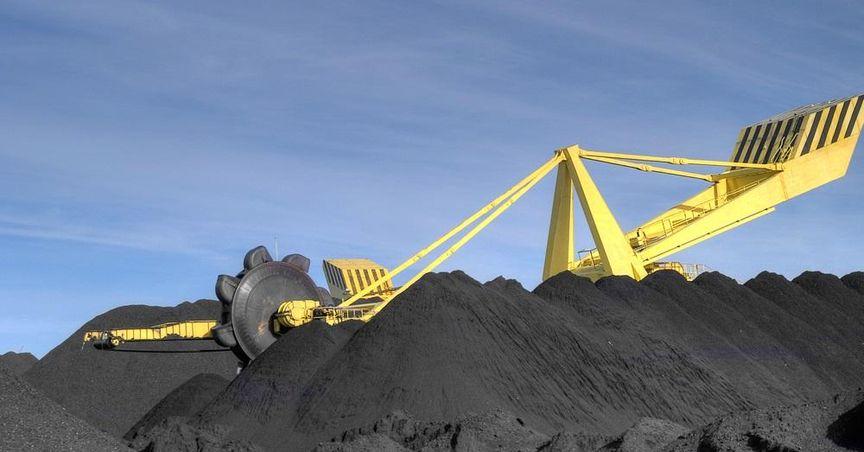
A notable aspect of this agreement is the ability to build ore stockpiles. These reserves can be processed later, potentially through expanded or standalone facilities under consideration.
Stockpiling provides a buffer that can support production continuity during periods of operational adjustments or infrastructure upgrades. It also offers strategic optionality, allowing the company to respond to changes in market conditions or internal capacity enhancements.
This approach aligns with broader industry practices where resource companies aim to optimise output while maintaining adaptability.
Operational Momentum and Market Sentiment
Ora Banda Mining has experienced a period of notable market attention, with its performance reflecting sustained interest rather than short-term fluctuations. This momentum often signals confidence in the company’s operational direction and execution.
The transition to a binding agreement reinforces this narrative, indicating a commitment to scaling operations in a structured manner. Market participants typically view such developments as indicators of stability and forward planning.
Within the broader Australian mining landscape, companies that demonstrate consistent production growth and infrastructure optimisation often attract increased visibility.
Position Within the Broader Market
The company’s progress can also be viewed in the context of indices such as the ASX 100, where large and established players set benchmarks for operational performance. While Ora Banda Mining operates within a competitive environment, its strategic initiatives highlight its ambition to strengthen its standing.
Similarly, comparisons with companies in the ASX 200 and ASX 300 offer insights into how mid-tier and emerging producers navigate growth and valuation dynamics.
These benchmarks provide a useful framework for understanding how operational developments translate into broader market perception.
Understanding the Price-to-Earnings Perspective
The price-to-earnings ratio remains one of the most widely used metrics for evaluating companies in the mining sector. It reflects how the market values a company’s earnings relative to its current share price.
Ora Banda Mining is currently positioned at a level that appears comparatively lower than both industry averages and certain peer groups. This suggests that the market may be assigning a conservative valuation despite recent operational progress.
A lower multiple can indicate caution, but it can also highlight a gap between current pricing and underlying earnings performance.
Comparing Industry Benchmarks
When viewed alongside the broader Australian metals and mining industry, Ora Banda Mining’s valuation stands out. Industry averages often serve as reference points, helping to contextualise whether a company is trading at a premium or discount.
In this case, the company’s earnings growth trajectory appears stronger than many peers, yet its valuation multiple remains relatively modest. This contrast raises important questions about how the market is interpreting future expectations.
Such discrepancies are not uncommon in the mining sector, where factors like commodity price assumptions, operational risks, and expansion plans influence valuation outcomes.
Discount to Estimated Value
Beyond traditional valuation metrics, discounted cash flow analysis offers another perspective. This approach estimates the present value of future cash flows, providing a long-term view of a company’s worth.
For Ora Banda Mining, this method suggests a valuation that is notably higher than current trading levels. The gap between these figures often sparks discussion about whether the market is exercising caution or overlooking certain aspects of the company’s growth story.
While such models rely on assumptions about future performance, they remain a valuable tool for assessing intrinsic value.
Interpreting the Valuation Gap
A difference between market price and estimated value can arise from several factors. These may include uncertainties around production scalability, commodity price fluctuations, or the execution of expansion plans.
In the case of Ora Banda Mining, the ongoing studies into a standalone processing facility add another layer to this analysis. If successfully developed, such infrastructure could enhance operational independence and efficiency.
However, until these plans are fully realised, the market may continue to adopt a measured approach in its valuation.
Strategic Importance of Infrastructure Expansion
Infrastructure plays a central role in the mining industry, influencing both production capacity and cost efficiency. By utilising third-party facilities, Ora Banda Mining is effectively bridging the gap between current capabilities and future ambitions.
This approach allows the company to maintain output levels while exploring options for expanding its own processing infrastructure. It also reduces the immediate pressure to invest heavily in new facilities before demand and operational requirements are fully established.
Such phased strategies are often preferred, as they balance growth with financial discipline.
Long-Term Operational Vision
The consideration of a standalone processing facility highlights the company’s long-term vision. Owning and operating dedicated infrastructure can provide greater control over production timelines and costs.
At the same time, the current agreement ensures that operations remain uninterrupted, supporting both short-term output and long-term planning.
This dual approach reflects a broader trend in the mining sector, where companies seek to optimise existing resources while preparing for future expansion.
Risks and Considerations
While the operational and valuation outlook presents several positive elements, it is important to consider potential risks. These may include fluctuations in gold prices, changes in production costs, or delays in infrastructure development.
Additionally, reliance on third-party processing facilities introduces external dependencies that could impact operations under certain conditions.
Market participants often weigh these factors carefully when assessing companies in the mining sector, particularly those undergoing expansion phases.
Balancing Growth and Stability
The challenge for Ora Banda Mining lies in maintaining its growth trajectory while managing operational risks. The ore sales agreement provides a level of stability, but long-term success will depend on the effective execution of broader strategic plans.
Balancing these elements is essential for sustaining market confidence and supporting valuation growth over time.
Broader Industry Implications
The developments at Ora Banda Mining reflect wider trends within the mining industry. Companies are increasingly focusing on flexibility, scalability, and efficient resource utilisation.
Agreements that enable access to additional processing capacity are becoming more common, particularly among mid-tier producers seeking to expand without immediate large-scale capital investments.
These strategies not only support operational continuity but also enhance resilience in a dynamic market environment.
Evolving Market Dynamics
As the global demand for resources continues to evolve, mining companies are adapting their approaches to remain competitive. This includes leveraging partnerships, optimising infrastructure, and exploring innovative solutions to production challenges.
Ora Banda Mining’s recent agreement fits within this broader narrative, highlighting the importance of adaptability in achieving sustainable growth.
Ora Banda Mining (OBM) has strengthened its operational framework through a well-structured ore sales agreement that enhances processing capacity and supports continued production. Alongside this development, valuation discussions remain central, reflecting a balance between current performance and future expectations.
As the company advances its infrastructure plans and navigates industry dynamics, its ability to align operational execution with strategic vision will play a crucial role in shaping its long-term trajectory.
