
 AUS
AUS
 NZ
NZ
 UK
UK
 CA
CA
 USA
USA
 IND
IND





Highlights
Iron ore cycle continues to influence sentiment
Strong operations support steady cash flow
Diversification adds a new growth dimension
Fortescue’s trajectory in 2026 reflects a mix of strong operational strength, commodity-linked swings, and evolving diversification efforts, shaping how market participants view its position within the mining landscape.
The keyword Fortescue shares buy or hold strategy continues to draw attention as the mining sector navigates shifting commodity trends and evolving investor sentiment. As part of the broader ASX 100, Fortescue stands at the intersection of iron ore demand cycles, cost leadership, and long-term strategic transformation. Understanding these moving parts offers clarity into how the company fits within the wider mining ecosystem.
Understanding Mining Stock Psychology
Emotional Cycles and Market Behaviour
Mining stocks often move in cycles shaped by investor psychology rather than just operational performance. When iron ore prices rise, optimism builds quickly, often stretching expectations beyond realistic levels. Conversely, during downturns, sentiment weakens even when underlying business fundamentals remain intact.
This emotional pattern can create noticeable valuation gaps. In many cases, these shifts are not driven by changes in production or efficiency but by external commodity signals and macroeconomic narratives.
Role of Commodity Prices
Iron ore remains the primary driver behind Fortescue’s market direction. Any movement in pricing trends directly impacts how the stock is perceived. This dependence makes the company more sensitive to global demand signals, particularly from key industrial economies.
Operational Strength and Business Foundation
Strong Cash Flow Generation
Fortescue Metals Group (ASX:FMG) has built a reputation for consistent cash flow generation through its large-scale mining operations. This financial strength supports shareholder distributions and reinforces its standing among established resource companies.
The company’s approach to capital allocation reflects a focus on maintaining operational efficiency while returning value through dividends. For those tracking ASX dividend stocks, Fortescue often remains part of broader discussions due to its distribution track record.
Cost Leadership Advantage
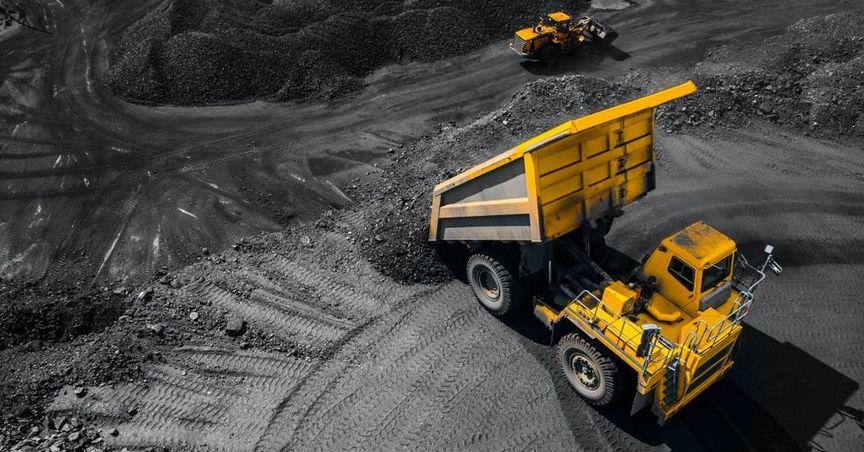
A defining feature of Fortescue’s business model lies in its cost efficiency. Its integrated operations across mining, rail, and port infrastructure enable streamlined logistics and reduced operational complexity.
Key advantages include:
-
Large-scale mining assets in Western Australia
-
Advanced automation reducing reliance on manual processes
-
Efficient transportation networks linking mines to export hubs
These factors help maintain resilience even during softer commodity environments.
Strategic Diversification Beyond Iron Ore
Expansion into Green Energy
Fortescue has taken visible steps toward building a presence in the green energy segment, particularly hydrogen. This move aligns with global decarbonisation trends and reflects a broader shift seen across mining companies.
While these initiatives remain in development phases, they indicate an effort to reduce reliance on a single commodity and explore emerging energy markets.
Copper Exposure and Future Demand
The company’s expansion into copper introduces exposure to a metal closely tied to electrification and infrastructure growth. Copper demand is supported by trends such as electric vehicles, renewable energy systems, and data infrastructure expansion.
This diversification positions Fortescue within evolving global supply chains, though execution remains a key factor in determining long-term outcomes.
Comparing Industry Positioning
Fortescue vs Diversified Mining Peers
Within the ASX 200, Fortescue operates alongside diversified mining groups that maintain exposure to multiple commodities. This contrast highlights differences in earnings stability and growth pathways.
While Fortescue’s iron ore focus can amplify gains during favourable cycles, diversified peers benefit from balancing performance across several resource segments.
Portfolio Considerations
Investors often weigh concentration versus diversification. A focused commodity approach may deliver strong results during upcycles, but it also introduces greater sensitivity to market shifts. Diversified exposure, on the other hand, tends to smooth volatility over time.
Key Risks Influencing Outlook
Iron Ore Dependency
Fortescue’s financial performance remains closely linked to iron ore demand. Several factors influence this dynamic:
-
Changes in global steel consumption
-
Infrastructure activity trends
-
Supply expansion from competing regions
Any shift in these areas can directly affect earnings visibility.
Cost Pressures
Rising operational costs continue to shape the mining sector. Labour availability, energy pricing, and equipment costs all contribute to margin dynamics. Managing these pressures remains essential for maintaining profitability.
Currency Movements
As an exporter of commodities priced in US dollars, Fortescue’s earnings are influenced by currency fluctuations. Exchange rate movements can either enhance or reduce reported financial outcomes.
Dividend Perspective and Income Appeal
Income Characteristics
Fortescue has gained attention for its dividend profile, particularly among income-focused portfolios. However, mining dividends differ from those of more stable sectors.
Key considerations include:
-
Variability linked to commodity cycles
-
Dependence on earnings generated from iron ore
-
Impact of global economic conditions on payouts
For those exploring opportunities across the ASX 300, dividend sustainability often becomes a central theme.
Market Sentiment and Price Trends
Recent Performance Trends
Market performance reflects a combination of operational execution and broader commodity trends. Periods of strength often align with favourable pricing environments, while consolidation phases follow periods of rapid movement.
Technical Perspective
Price trends indicate that Fortescue’s movement tends to align with key support and resistance levels influenced by both investor sentiment and macroeconomic developments. These patterns are closely monitored by market participants seeking directional cues.
Institutional and Market Positioning
Analyst Sentiment
Professional coverage generally reflects a balanced outlook, with cautious sentiment around future price direction. This stance often stems from uncertainty surrounding iron ore demand and global economic signals.
Institutional Activity
Large funds adopt varied approaches:
-
Income-oriented strategies may focus on dividend generation
-
Growth-focused portfolios often consider diversification factors
-
Balanced funds maintain steady exposure while monitoring market signals
This mix of strategies contributes to ongoing shifts in market positioning.
Long-Term Growth Drivers
Green Transition Opportunities
Fortescue’s push into green hydrogen aligns with global sustainability goals. If executed effectively, this segment could open new revenue streams and reshape the company’s identity beyond traditional mining.
Role of Copper in Future Demand
Copper remains a key component in electrification, renewable energy systems, and digital infrastructure. Fortescue’s exposure to this metal supports its alignment with long-term industrial trends.
Strategic Perspective for Market Participants
For Existing Shareholders
Fortescue’s strong operational base and consistent cash generation provide a solid foundation. The company’s direction reflects both stability in its core business and ambition through diversification.
For New Market Participants
Those considering exposure to mining stocks often evaluate risk and diversification. Fortescue offers focused exposure to iron ore, complemented by emerging initiatives in energy and metals.
Fortescue Metals Group (FMG) continues to play a significant role in the mining sector, driven by operational strength and evolving strategic direction. Its performance remains closely tied to commodity cycles, while diversification efforts introduce new dimensions to its outlook.
Balancing these factors is essential when assessing its place within a broader investment framework. Market sentiment, cost dynamics, and global demand trends will remain central to shaping its trajectory through 2026 and beyond.
