
 AUS
AUS
 NZ
NZ
 UK
UK
 CA
CA
 USA
USA
 IND
IND






Highlights
BHP remained in focus as copper activity strengthened across global commodity markets.
Mining sector momentum continued influencing broader ASX resource performance.
Copper demand themes remained closely linked to industrial and energy transition activity.
BHP remained in focus as copper activity strengthened across global commodity markets. Australia’s mining sector continues responding to industrial demand themes, infrastructure activity, and evolving resource market conditions.
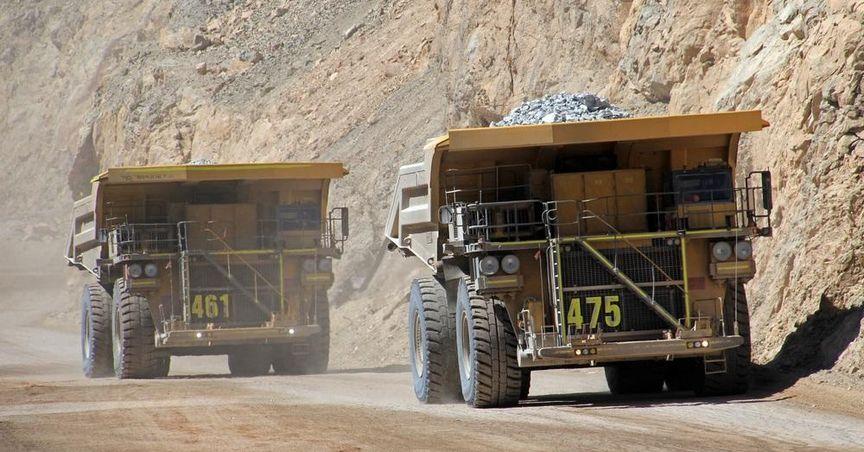
Australia’s mining and resources sector continues to remain a dominant force across the ASX 200 market as commodity producers respond to shifting global demand patterns, industrial expansion activity, and infrastructure developments. Resource companies operating within the Australian market remain central to global supply chains involving copper, iron ore, energy materials, and battery-related minerals. The mining sector continues attracting significant attention due to its influence on export activity, industrial production, and broader market sentiment.
Within this environment, BHP Group Limited (ASX:BHP) drew fresh market attention as copper activity strengthened across international commodity markets. The mining giant remains one of the most prominent participants within Australia’s diversified resources sector, with operations linked to copper, iron ore, metallurgical coal, and other industrial commodities. Recent developments surrounding copper market activity placed additional focus on the company’s exposure to the global metals sector and its role within evolving industrial supply trends.
Copper Market Activity Shapes Mining Sector Focus
Copper remains one of the most widely used industrial metals across global manufacturing, construction, energy infrastructure, and technology industries. The metal continues to maintain strong commercial relevance due to its applications in electrical systems, renewable energy infrastructure, transport networks, and industrial machinery.
Recent market activity surrounding copper placed renewed attention on diversified mining operators such as BHP. Commodity movements involving copper often influence broader discussions surrounding industrial production, infrastructure spending, and global manufacturing conditions. Mining companies with exposure to copper production frequently remain closely watched during periods of heightened commodity market activity.
The Australian mining sector continues operating within a global environment shaped by industrial demand shifts, supply chain adjustments, and energy transition initiatives. Copper has become increasingly important within discussions surrounding electrification, transmission infrastructure, and renewable energy development due to its conductivity and industrial versatility.
BHP remains associated with these broader commodity themes through its diversified mining portfolio and international operational footprint. Resource companies operating within Australia’s mining sector continue adjusting production strategies, operational priorities, and development initiatives in response to evolving market conditions.
The broader mining industry also remains heavily connected to infrastructure activity across major global economies. Copper demand patterns frequently reflect broader industrial conditions involving manufacturing facilities, transport systems, and urban development projects.
Australia’s resources market continues maintaining strong international visibility as domestic miners supply commodities to industrial economies across Asia, Europe, and North America. Mining companies listed across the local market frequently respond to global developments involving industrial output and commodity demand activity.
Within the All Ordinaries market, mining companies continue representing a significant component of Australia’s corporate landscape. Commodity producers operating within copper, lithium, iron ore, and rare earths sectors remain central participants within the broader resources industry.
Copper activity additionally remains connected to the expanding renewable energy sector, where electrical infrastructure and transmission systems require substantial metal inputs. These themes continue shaping discussions surrounding industrial metals across global commodity markets.
Mining operators also continue focusing on operational efficiency, project development activity, and international supply chain integration as resource demand evolves. Companies within the sector increasingly balance production priorities with long-term infrastructure requirements linked to global industrial transformation.
Diversified Mining Operations Remain Central To ASX Activity
Australia’s diversified mining sector continues playing a major role within the local share market as large-scale resource companies maintain significant exposure to global commodity markets. BHP remains one of the most visible operators within this environment due to its broad portfolio of mining assets and international production activity.
Diversified miners often maintain operational exposure across multiple commodities including copper, iron ore, nickel, coal, and potash. This operational structure allows resource companies to participate across a wide range of industrial sectors connected to construction, energy systems, manufacturing, and infrastructure development.
BHP continues attracting market attention due to its role within the global mining industry and its involvement across several internationally significant resource projects. The company remains closely linked to Australia’s broader export sector and commodity production environment.
Copper-related developments continue influencing broader mining sector activity due to the metal’s strategic role across modern industrial systems. Global discussions surrounding electrification and energy infrastructure frequently place additional attention on copper supply conditions and mining production capacity.
Australia’s mining companies additionally continue monitoring global economic activity, industrial production levels, and infrastructure investment trends. Commodity markets remain closely connected to broader developments across manufacturing, transport, and construction sectors worldwide.
Resource businesses operating within the ASX dividend stocks environment also continue attracting attention due to their role within Australia’s export economy and commodity production systems. Mining companies remain among the country’s most internationally recognized corporate operators.
The mining industry additionally continues investing in technology integration and operational modernization. Automation systems, digital monitoring tools, and artificial intelligence applications increasingly support production management and supply chain coordination across major mining operations.
Copper activity also remains connected to developments involving electric vehicles, renewable power systems, and battery infrastructure. Industrial metals linked to electrification continue attracting strong commercial attention across global commodity discussions.
The Australian resources sector remains heavily influenced by international trade activity and commodity transport infrastructure. Mining businesses continue operating within a globally interconnected supply chain environment involving ports, rail systems, and export logistics networks.
The broader mining industry additionally remains affected by currency conditions, shipping activity, and geopolitical developments involving resource trade relationships. These factors continue shaping operational conditions across international commodity markets.
Industrial Demand Themes Continue Influencing Commodities
Industrial demand remains one of the primary forces shaping commodity market activity across global resource sectors. Copper, iron ore, and energy-related materials frequently respond to changes in manufacturing conditions, infrastructure development, and construction activity.
The latest developments surrounding BHP occurred amid renewed focus on industrial metals and commodity market performance. Resource companies continue adapting operational priorities while monitoring developments involving industrial demand and infrastructure expansion activity.
Copper remains particularly important within discussions involving renewable energy systems, transmission infrastructure, and transportation electrification. Industrial projects linked to energy modernization frequently require substantial quantities of conductive materials and construction metals.
Mining companies operating within Australia continue responding to these evolving industrial conditions through operational planning, project development activity, and production management systems. Diversified resource operators frequently evaluate commodity exposure across multiple industrial sectors.
Australia’s mining sector additionally remains closely tied to Asian manufacturing activity and international industrial supply chains. Commodity exports continue supporting trade relationships involving major industrial economies across the region.
Resource businesses also continue investing in operational technology and digital infrastructure to improve production efficiency and logistics coordination. Automation and data-driven systems increasingly support mining activity across extraction, processing, and transportation operations.
The ASX 200 mining sector remains among the most influential components of Australia’s financial market due to its scale, export exposure, and international relevance. Commodity developments frequently shape broader market sentiment across the exchange.
Global infrastructure projects involving transport systems, renewable energy networks, and urban construction continue influencing industrial metal demand patterns. Copper remains a central component within many of these commercial and industrial applications.
Mining companies additionally continue examining environmental frameworks and operational sustainability initiatives linked to resource production. Energy usage, emissions management, and operational efficiency remain active themes across the resources industry.
The broader commodity market environment also continues responding to international economic developments involving manufacturing output, infrastructure spending, and industrial policy frameworks. Mining operators remain closely connected to these global commercial trends.
Australian Resource Sector Maintains Global Visibility
Australia’s mining industry continues maintaining significant international visibility due to the country’s extensive resource base and export capabilities. Mining companies operating within the local market remain major suppliers of industrial commodities used across manufacturing, energy, and infrastructure sectors worldwide.
BHP remains one of the most prominent participants within this global resources environment. The company continues attracting attention due to its diversified operations and involvement across several internationally important commodity markets.
Copper market developments continue contributing to broader discussions surrounding industrial transformation and infrastructure modernization. Commodity producers with exposure to copper remain central participants within these global conversations.
The Australian resources sector additionally continues benefiting from strong international demand for industrial materials used in construction, electrification, and manufacturing systems. Mining companies remain deeply integrated within global trade and industrial supply networks.
Technology integration also continues reshaping mining operations as companies adopt advanced systems supporting automation, safety monitoring, and production optimization. Digital transformation remains a visible theme across the modern resources sector.
Commodity market activity additionally influences broader financial market discussions involving industrial production trends, export activity, and infrastructure investment patterns. Mining businesses remain closely connected to these wider economic developments.
Australia’s mining operators continue examining operational opportunities linked to evolving industrial needs, renewable energy systems, and resource infrastructure expansion. Copper remains a central industrial material within many of these commercial frameworks.
