
 AUS
AUS
 NZ
NZ
 UK
UK
 CA
CA
 USA
USA
 IND
IND





Highlights
- ASX Lithium Stocks are being shaped by spodumene markets, project restarts, and battery-material demand rather than one single signal.
- Pilbara Minerals, Mineral Resources, IGO (ASX:IGO), and Liontown Resources reflect different lithium business models.
- The cost curve remains a useful lens for reading operating strength, cash generation, and project discipline across the sector.
ASX lithium stocks remain tied to spodumene activity, battery-material demand, project discipline, and cost-curve positioning across Australia’s resources market.
The lithium sector remains an important part of Australia’s listed resources market, connecting hard-rock mining, spodumene concentrate, battery supply chains, electric vehicles, energy storage, and global manufacturing. Companies represented across ASX 300, and All Ordinaries benchmarks show how lithium remains tied to both commodity cycles and clean-energy supply chains. The sector’s position has become more selective as market participants focus on operating quality, project discipline, balance-sheet strength, and cost control.
Within this setting, Pilbara Minerals (ASX:PLS), Mineral Resources (ASX:MIN), IGO (ASX:IGO), and Liontown Resources (ASX:LTR) show how different company models can exist within the same lithium category. Each business has a different mix of mine exposure, processing arrangements, partnership structures, development pathways, and resource-market sensitivity. The shared theme is lithium’s market reset, where spodumene trends, project restarts, battery-material demand, and the cost curve continue shaping the debate.
Why Lithium Market Conditions Are Under Review
Lithium remains central to battery-material supply chains because it is used across electric vehicles, energy storage systems, consumer electronics, and industrial battery applications. Demand patterns are linked to manufacturing activity, battery chemistry preferences, vehicle production, grid storage projects, and supply-chain planning across global markets.
The sector has become more selective because lithium companies do not all respond to the same conditions in the same way. Established producers, diversified miners, joint-venture operators, and project developers each face different operating demands. Mine costs, processing yields, logistics, grade quality, customer contracts, and capital requirements all influence company-level performance.
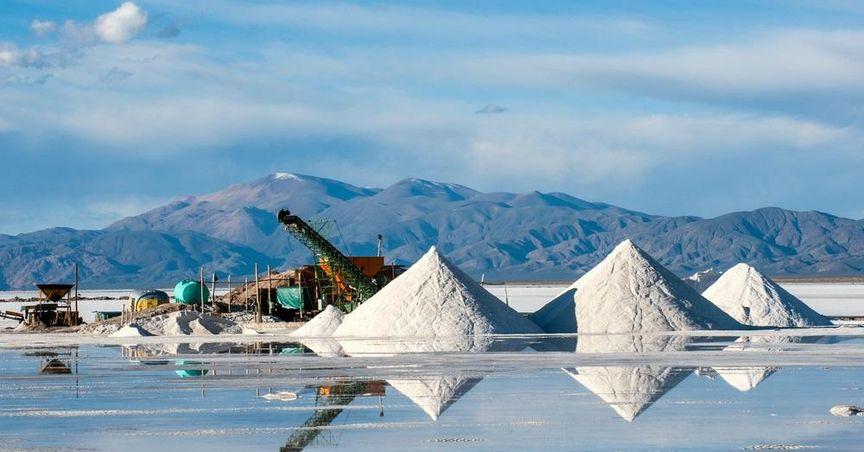
Spodumene activity remains a key part of the Australian lithium conversation. Western Australia hosts major hard-rock lithium operations, making shipment activity, processing performance, and mine planning important parts of sector updates. These operating details help explain why the lithium story is broader than a single commodity headline.
Battery-material markets also depend on downstream conversion capacity. Concentrate production, chemical processing, customer qualification, inventory settings, and manufacturing schedules all contribute to lithium-sector conditions. When downstream margins shift, upstream producers may also experience changing demand patterns.
References to asx all ords often include lithium names due to their role in Australia’s resources market. Their exposure connects domestic mining assets with global battery supply chains, creating a link between local operations and international manufacturing trends.
The cost curve remains important because it separates operators by production efficiency and operating resilience. Lower-cost assets, disciplined spending, reliable processing, and strong logistics can shape how companies manage changing commodity conditions.
How Key ASX Lithium Names Reflect Different Models
Pilbara Minerals (ASX:PLS) represents a major hard-rock lithium producer with exposure to spodumene concentrate and export markets. Its operations are closely tied to mine performance, processing output, shipment activity, and battery-material demand.
Mineral Resources (ASX:MIN) provides a more diversified resources model. The company has exposure to lithium alongside other mining and services activities, creating a different operating structure from pure-play lithium producers. Its business model links mining assets, infrastructure, and operational services.
IGO (ASX:IGO) adds another angle through its battery-material exposure and portfolio structure. Its lithium participation sits alongside other resource interests, creating a broader resource-sector profile. The company’s lithium exposure remains tied to project performance, partnerships, and battery-material market conditions.
Liontown Resources (ASX:LTR) broadens the discussion by representing a developing lithium producer with project ramp-up activity. Development-stage operations bring different operating demands, including project delivery, commissioning, funding discipline, and production stabilisation.
Although these names sit within the same lithium theme, their commercial structures vary widely. Some companies rely more heavily on established production, while others remain linked to asset development, operational commissioning, or diversified mining exposure. This difference explains why the sector cannot be read through one headline alone.
The lithium category also overlaps with ASX dividend stocks where established resource companies maintain cash-generating operations and disciplined capital frameworks. In the lithium space, cash generation depends heavily on operating costs, shipment activity, and battery-material demand.
Operational execution remains central across the sector. Mine output, processing performance, cost control, concentrate quality, logistics, and customer arrangements all shape how lithium companies report progress.
Cash Flow, Project Discipline And Resource Operations
Cash generation remains a core focus for lithium companies because mining and processing operations require ongoing expenditure across equipment, labour, infrastructure, energy, transport, and maintenance. A company’s ability to manage these requirements can influence financial flexibility across different commodity settings.
Project discipline matters because lithium assets often require complex development timelines. Mine construction, plant commissioning, ramp-up activity, approvals, technical work, and customer qualification can all affect operating progress. Development pathways are especially important for companies moving from construction into production.
Processing performance remains another major factor. Lithium producers depend on reliable plant operation, concentrate recovery, grade consistency, and shipment quality. These operating details can carry as much importance as broader commodity conditions.
Capital allocation also plays a major role. Lithium companies often manage expansion programs, sustaining capital, mine planning, and operational upgrades. These decisions influence how businesses maintain assets while adapting to battery-material market conditions.
The cost curve helps explain why companies with different cost structures may experience different outcomes in the same market. Mine grade, processing efficiency, haulage distance, energy usage, labour intensity, and infrastructure access all influence operating costs.
References to ASX 300 resource participants often show how broad the lithium category has become. Larger producers, diversified miners, and emerging project operators each bring different operating profiles to the same battery-material theme.
Lithium remains closely linked to broader resource-sector activity. Export logistics, global manufacturing demand, electric vehicle supply chains, and energy-storage systems all contribute to sector conditions.
Factors Shaping Lithium Sector Attention
Lithium companies operate in an environment shaped by supply availability, battery-material demand, processing margins, project restarts, and operating costs. These factors can influence how the market reads company updates across the sector.
Supply conditions remain important because new production, project restarts, mine expansions, and inventory levels can affect commodity balance. The timing and scale of supply entering the market can influence how producers manage operations.
Battery demand remains another key factor. Electric vehicles, energy storage, and battery manufacturing continue to connect lithium companies with global industrial activity. Customer demand, production schedules, and supply-chain planning all contribute to lithium-sector conditions.
Conversion margins are also relevant because downstream processors help turn lithium concentrate into battery-grade materials. When downstream economics shift, upstream concentrate markets may also change.
Project ramp-up activity requires careful reading. A company moving from construction to production must manage commissioning, plant reliability, workforce requirements, logistics, and customer qualification. These operational steps can shape early-stage performance.
Currency movements may also affect exporters. Many Australian lithium companies operate domestically while selling into international markets, making foreign exchange conditions part of broader resource-sector discussions.
The presence of lithium companies across asx all ords benchmarks reflects the sector’s relevance within Australian equities. These businesses connect local mining operations with battery supply chains across global markets.
Reading ASX Lithium Updates Through Operating Evidence
A structured reading of lithium updates begins with operational evidence. Shipment activity, unit costs, processing recovery, mine output, customer demand, and project progress all provide useful context for understanding company disclosures.
Revenue composition also matters because lithium companies vary by exposure. Some businesses are more concentrated in spodumene production, while others combine lithium with broader mining, services, or portfolio interests. This difference can affect how updates are understood.
Cash conversion remains important because mining operations can require significant working capital and capital expenditure. Efficient management of operating costs, stockpiles, logistics, and maintenance activity helps clarify business performance.
Management commentary often focuses on production activity, costs, shipment timing, customer engagement, and project milestones. These details help explain how companies are navigating changing conditions across the battery-material supply chain.
Comparisons between Pilbara Minerals (ASX:PLS), Mineral Resources (ASX:MIN), IGO (ASX:IGO), and Liontown Resources (ASX:LTR) work best when viewed through business structure rather than a single lithium label. Each company has different assets, project exposure, and operating priorities.
The lithium sector continues to connect company-level updates with broader resource themes. Battery-material demand, spodumene markets, project delivery, cost discipline, and export activity remain central to the ASX lithium conversation.
