
 AUS
AUS
 NZ
NZ
 UK
UK
 CA
CA
 USA
USA
 IND
IND


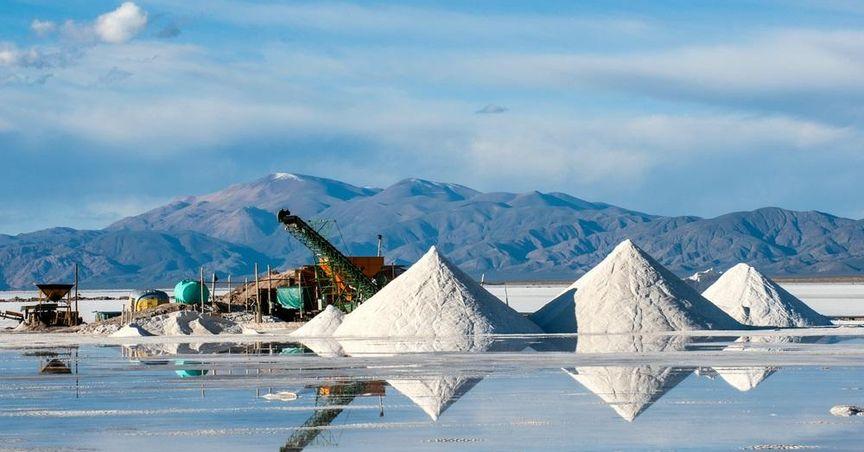





Highlights
- Energy storage systems are becoming a major source of lithium consumption alongside electric vehicles.
- Data infrastructure expansion is creating an additional layer of demand for battery materials.
- PLS (ASX:PLS), IGO (ASX:IGO), Mineral Resources (ASX:MIN) and Liontown Resources (ASX:LTR) remain connected to the evolving lithium supply chain.
Energy storage systems and data infrastructure are expanding lithium demand beyond electric vehicles, keeping PLS (ASX:PLS), IGO (ASX:IGO), Mineral Resources (ASX:MIN) and Liontown Resources (ASX:LTR) in focus.
The lithium and battery materials sector has become one of the most closely followed areas within the Australian resources industry, with several producers and developers represented across the ASX 200 and ASX 300. For many years, conversations surrounding lithium were closely tied to electric vehicle manufacturing. Today, the demand landscape has broadened significantly as new industries increasingly rely on battery technology to support energy security and power management.
Among the companies operating within this space, PLS (ASX:PLS) remains one of Australia's most recognised lithium producers, while IGO (ASX:IGO), Mineral Resources (ASX:MIN) and Liontown Resources (ASX:LTR) continue to participate in various stages of the lithium supply chain. Their activities reflect an industry experiencing change as demand drivers become more diverse.
A New Chapter for Lithium Consumption
For much of the previous decade, lithium demand was closely associated with vehicle battery production. Automotive manufacturing remained the dominant reference point whenever battery material consumption was discussed. That narrative has gradually evolved as large-scale energy storage installations have become increasingly important across electricity networks worldwide.
Energy storage systems are designed to support electricity grids by storing power and releasing it when required. As renewable energy deployment expands, storage facilities have become a vital component of modern power infrastructure. These systems often require significant quantities of battery materials, including lithium.
Unlike consumer-driven sectors, energy storage deployment is frequently linked to infrastructure planning, utility investment and energy market requirements. This creates a demand source that operates differently from vehicle sales cycles. The result is a broader foundation for lithium consumption across multiple industries.
The emergence of stationary battery systems has altered the way many observers view the lithium market. Demand is no longer concentrated around a single end user but increasingly distributed across several sectors.
Data Infrastructure Adds Another Layer
Alongside energy storage, data infrastructure has become another area of interest within the battery materials industry. Modern data facilities require reliable power systems capable of supporting continuous operations. Backup power solutions and energy management systems increasingly rely on battery technology.
As cloud computing, digital services and artificial intelligence infrastructure continue to expand, the need for dependable energy systems has become more important. Large facilities require stable power supply arrangements, creating additional opportunities for battery deployment.
This development introduces another source of lithium demand that differs from both automotive and energy storage applications. While electric vehicles depend on consumer activity and storage projects depend on energy infrastructure, data facilities are linked to digital transformation and technological expansion.
The combination of these industries has broadened the lithium demand profile considerably. Instead of relying on a single market segment, lithium now supports a range of economic activities operating under different conditions and timelines.
Australia's Position in the Lithium Supply Chain
Australia remains a major participant in global lithium production. The country's hard-rock lithium deposits continue to play an important role in supplying raw materials to battery manufacturers and processing facilities across multiple regions.
PLS (ASX:PLS) operates one of the industry's best-known lithium projects and continues supplying concentrate into international battery material markets. Its activities illustrate Australia's role as a key supplier within the broader battery value chain.
IGO (ASX:IGO) maintains exposure through interests connected to significant lithium operations, while Mineral Resources (ASX:MIN) participates through diversified mining activities that include lithium assets. Liontown Resources (ASX:LTR) has also become part of the sector's development landscape through its lithium projects.
The strategic significance of Australian production extends beyond resource extraction. Reliable supply chains have become increasingly important for battery manufacturers, energy companies and technology providers. This has strengthened interest in established mining jurisdictions with developed infrastructure and export capabilities.
As demand sources continue to diversify, Australian producers remain connected to several end-use markets simultaneously, including transportation, energy storage and digital infrastructure.
How the Lithium Market Is Evolving
The lithium sector continues to evolve as battery technology becomes more integrated into modern economies. The growing role of energy storage facilities demonstrates how electricity infrastructure is becoming an important source of battery material demand. At the same time, digital infrastructure requirements are creating additional applications for battery systems.
This broader demand base has changed the conversation surrounding lithium. Rather than focusing exclusively on vehicle manufacturing, attention increasingly extends toward electricity networks, power management systems and technology infrastructure.
Investors following developments across the All Ordinaries frequently encounter lithium-related updates alongside broader resource sector news. The industry also attracts attention from market participants monitoring established resource businesses that feature among prominent ASX dividend stocks.
Similarly, activity across the wider asx all ords often highlights lithium developments as part of Australia's broader mining landscape.
The expanding role of battery technology across multiple industries has reinforced lithium's importance within the global resource sector. Whether linked to transportation, electricity networks or digital infrastructure, the metal remains connected to several of the most significant industrial developments taking place today.
