
 AUS
AUS
 NZ
NZ
 UK
UK
 CA
CA
 USA
USA
 IND
IND






Highlights
Downer EDI Ltd drives Australia’s infrastructure transformation.
Industrial strength underpins national transport and utilities growth.
Broader ASX indices reflect steady infrastructure-driven momentum.
Downer EDI Ltd (ASX:DOW) anchors Australia’s infrastructure growth through transport, utilities, and facilities services, strengthening the nation’s industrial resilience and contributing significantly to the broader ASX 200 landscape.
Australia’s industrial and infrastructure landscape continues to evolve with companies like Downer EDI Ltd (ASX:DOW) shaping the foundation of essential services and national development. As part of the ASX 200 index, the company plays a pivotal role in strengthening the country’s transport, utilities, and facility operations — sectors that form the bedrock of economic growth and urban development.
From rail networks to power distribution and public utilities, Downer’s impact extends across industries that underpin everyday life. The company’s presence highlights the resilience of ASX stock market sectors that thrive on stable revenue, government contracts, and consistent operational reliability.
What Defines Downer EDI Ltd’s Industrial Strength?
A Leader in Integrated Services
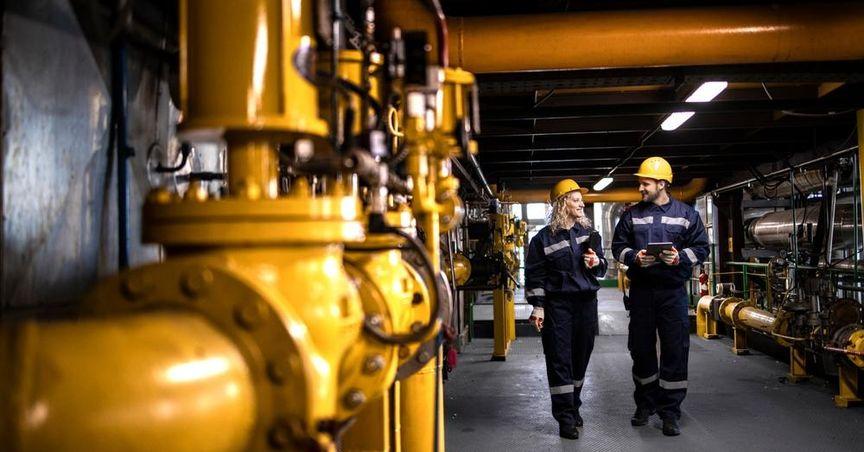
Downer EDI operates as a leading provider of integrated infrastructure, construction, and maintenance services across Australia and New Zealand. It focuses on three main business segments — transport, utilities, and facilities — each contributing to a wide network of projects that fuel the nation’s development.
Transport forms the largest segment, supporting road, rail, and public transit infrastructure. The utilities segment ensures power and water services function efficiently, while the facilities segment delivers maintenance and asset management for commercial and government clients.
These sectors together create a dependable foundation for sustained operational revenue and reflect the broader strength of industrial companies within the ASX ordinaries stocks.
Why Is Reliability Key in the Industrials Sector?
Reliability remains a core attribute of industrial businesses. Companies like Downer EDI secure long-term contracts that ensure consistent revenue streams, insulating them from frequent market fluctuations. Once awarded, these contracts typically span several years, supporting predictable income across economic cycles.
Similarly, other industrial leaders such as Transurban Group (ASX:TCL), Qantas Airways Ltd (ASX:QAN), and Brambles Ltd (ASX:BXB) reinforce the sector’s stability. Transurban operates toll road infrastructure critical for urban mobility; Qantas connects domestic and international travel routes; and Brambles provides logistics platforms that keep retail and supply chains functioning seamlessly.
This ecosystem of reliability aligns closely with investors seeking dependable exposure to Australia’s growing infrastructure base within the ASX 100.
What Drives Interest in Industrials Companies?
Stable Performance in Core Operations
Industrials companies often benefit from their integral roles in national logistics, transportation, and construction. Their performance frequently mirrors broader economic growth trends — as urban development, population, and demand for public utilities expand, so does their workload and output.
Downer EDI’s contracts in rail, road, and utilities align with national infrastructure priorities, giving it exposure to enduring demand cycles. The company’s operations support long-term projects across sectors vital to economic sustainability.
The Influence of Infrastructure Investment
Infrastructure investment remains one of the most consistent drivers of industrial activity. Government expenditure on roads, public transport, and utilities feeds directly into companies like Downer EDI. These projects not only generate ongoing employment but also sustain material demand and construction activity throughout the economy.
Industrials within the ASX mining stocks and energy supply chains also benefit indirectly from such investment, as materials, logistics, and construction all intersect through shared infrastructure channels.
How Do Dividends Reflect Sector Stability?
Stable revenue often translates into consistent shareholder returns. Companies operating in essential service sectors are generally positioned to maintain regular dividend distributions.
Downer EDI’s dividend consistency aligns with broader patterns seen in ASX dividend stocks. This stability often appeals to investors seeking income through equities rather than relying solely on capital appreciation.
For many, such companies represent a balance between steady operational reliability and potential for long-term value creation — qualities central to Australia’s industrial economy.
Where Does Downer EDI Fit in Australia’s Broader Market Landscape?
The Role within the ASX 200
Downer’s inclusion within the ASX 200 signifies its importance among Australia’s top publicly listed corporations. The index represents companies that collectively influence the country’s economic and market sentiment, spanning diverse industries such as resources, finance, and infrastructure.
As part of this benchmark, Downer stands alongside entities that contribute to the country’s growth narrative, reflecting how infrastructure investment remains a defining factor for long-term stability.
Comparing Industrial Peers
Other industrial entities within the Australian market provide a sense of scale and diversity across the sector:
-
Transurban Group (ASX:TCL) – Oversees toll road networks across Australia, contributing to efficient urban connectivity.
-
Qantas Airways Ltd (ASX:QAN) – Supports domestic and international travel, linking trade and tourism.
-
Brambles Ltd (ASX:BXB) – Operates a logistics pooling model supporting fast-moving consumer goods supply chains.
Together with Downer, these companies form the core of Australia’s industrial and transport infrastructure, aligning with the themes that sustain national development and economic resilience.
What Does Downer’s Operational Strategy Reveal?
Downer’s approach focuses on long-term partnerships with clients across public and private sectors. This strategy emphasises safety, sustainability, and innovation — essential factors in maintaining contract retention and expanding service portfolios.
Through continuous improvement and digital adaptation, the company positions itself to enhance efficiency and deliver integrated solutions across its operational segments. Its alignment with national sustainability goals also reinforces its commitment to environmental responsibility.
A Broader Perspective on the Industrial Outlook
The industrial sector continues to evolve through technological advancement, digitisation of asset management, and increasing demand for sustainable solutions. Companies like Downer EDI leverage these trends to modernise infrastructure and support Australia’s economic transition toward greener operations.
This transformation contributes to ongoing job creation and stimulates economic activity through interconnected service networks.
How Does Economic Growth Influence the Sector?
A strong economy fosters greater investment in public infrastructure and utilities. As population and urban density expand, the demand for reliable transport, logistics, and maintenance services rises in tandem.
Industrial companies benefit from this cycle, using long-term projects as stabilising anchors amid fluctuating market conditions. Downer’s involvement across multiple essential sectors ensures consistent exposure to national growth themes.
The Broader Role of Industrials in National Prosperity
Australia’s industrial backbone extends beyond profit margins — it reflects the country’s capacity to build, maintain, and operate critical infrastructure. Companies like Downer EDI embody this role through consistent delivery of services that keep the nation connected and operational.
Their work reinforces community mobility, facilitates trade, and strengthens the broader foundation upon which economic resilience is built.
Downer EDI Ltd (ASX:DOW) continues to represent the strength of Australia’s industrial sector. Its integration across transport, utilities, and facilities underlines a business model designed for endurance and adaptability.
As part of the ASX 200, the company stands as a significant contributor to the ongoing transformation of Australia’s infrastructure network. In a landscape where reliability and operational excellence define value, Downer’s position remains integral to shaping the future of Australian industry.
