
 AUS
AUS
 NZ
NZ
 UK
UK
 CA
CA
 USA
USA
 IND
IND


_10_04_2024_16_38_50_427275.jpg)




Highlights
- LCT has inked a deal with University of Technology to utilise university facilities in Sydney.
- NTCELL capsules will be manufactured in Australia for the first time, progressing the third clinical trial of NTCELL in Parkinson’s disease.
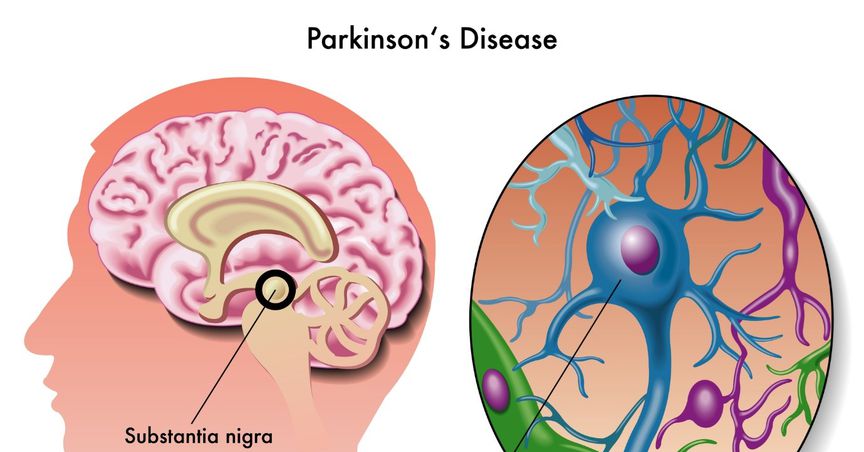
- Parkinson's disease is a neurodegenerative ailment that primarily affects dopamine-producing neurons in the substantia nigra area of the brain.
Shares of pharmaceuticals entity Living Cell Technologies (ASX:LCT) zoomed up more than 14% after the firm provided an update on NTCELL, which will be manufactured in Australia for the first time through a UTS research agreement.
LCT is a biotechnology business dedicated to exploring and discovering breakthrough solutions for chronic ailments like Parkinson's disease and diabetes.
Although the stock LCT is gaining the most velocity today, its overall growth is unsatisfactory since the price has plummeted 20% in one year. The stock has struggled to acquire traction recently, falling 18% in the last six months. LCT has lost 20% of its value since the start of 2022.
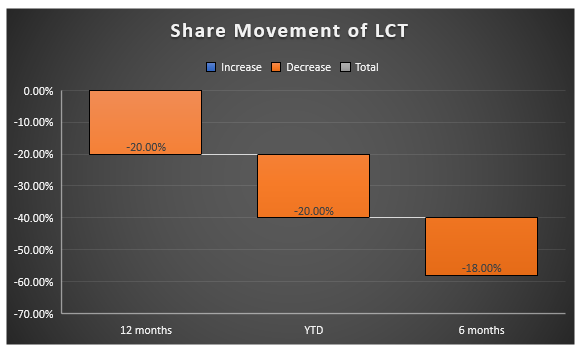
Image source: © 2022 Kalkine Media®
Furthermore, LCT is rising in tandem with S&P/ASX 200 Health Care [XHJ], which is currently trading at 40,719.30 points, up 1.62% at 12:45 PM AEDT.
Meanwhile, LCT shares traded at AU$0.0080 at 12:45 PM AEDT on 30 March 2022.
Good read: OCC, CLV: Two ASX healthcare stocks under the spotlight today
Clinical trial of NTCELL for Parkinson's disease
Living Cell Technologies has announced that a third clinical trial of NTCELL for Parkinson's disease is being planned, following the signing of a research agreement with the Australian Foundation for Diabetes Research (AFDR) and the University of Technology Sydney (UTS). LCT is developing NTCELL, an experimental disease-modifying treatment for Parkinson's disease.
NTCELL is an alginate coated capsule containing clusters of neonatal porcine choroid plexus cells.

Source: © Vampy1 | Megapixl.com
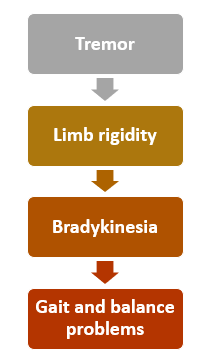
Parkinson's disease is a neurodegenerative ailment that primarily affects dopamine-producing neurons in the substantia nigra area of the brain. In most cases, symptoms appear gradually over time. People with Parkinson's disease may have the following symptoms-
, Image source: © 2022 Kalkine Media®
Before the third medical trial, the UTS agreement will enable university facilities to be used to optimise NTCELL manufacturing in Australia for the first time. Porcine brain tissue (choroid plexus) will be delivered to Sydney from research collaborator NZeno's pig facility in New Zealand once imports authorities have cleared it.
After UTS has optimised the Australian manufacturing of NTCELL, the tissue would be shipped to a Good Manufacturing Practice (GMP) facility, where it would be made under the circumstances suitable for clinical application.
Furthermore, the Therapeutic Goods Administration and a Human Research Ethics Advisory Committee must approve the use of the encapsulated pig tissue.
Five ASX Multibagger Healthcare Stocks
Management remark
Bernie Touch, LCT Executive Chairman, stated:

Road ahead
Xenotransplantation trials are likely to be conducted for the first time in Australia after earlier trials in New Zealand for people with early to mid-stage Parkinson's disease. The transplanting of cells, tissues or organs from one species to another is known as Xenotransplantation.
Xenotransplantation has long been advocated as a viable solution to the global lack of human organs for patients suffering from terminal organ failure.
Parkinson's disease affects more than 10 million people globally, including 100,000 Australians, and is projected to cost the Australian community $10 billion every year.
In the last several years, significant progress has been made in xenotransplantation. Hence, the beginning of the clinical trial of the NTCELL for Parkinson's disease in Australia may enhance the medical treatment and provide some comfort to those suffering from this ailment.
Good read: From IMC to ALA: Healthcare stocks with best YTD returns
