
 AUS
AUS
 NZ
NZ
 UK
UK
 CA
CA
 USA
USA
 IND
IND






Highlights
- Gold stabilizes near record levels after profit-taking.
- Weak U.S. economic data fuels rate-cut expec
- Geopolitical tensions drive demand for safe-haven assets.
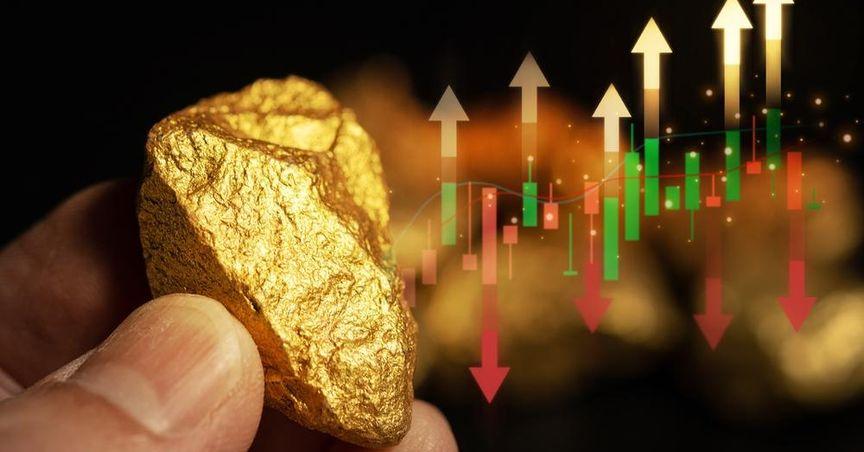
Gold prices rebounded slightly after a notable 1.3% dip in the previous session, where traders opted to secure profits following a record-breaking rally. The metal is currently hovering around $2,925 per ounce, just $30 below the all-time high set earlier this week.
Market Drivers Behind Gold's Movement
The recent surge in gold prices has been largely influenced by weak U.S. economic indicators, which have strengthened expectations for a potential interest rate cut by the Federal Reserve as early as July. Lower interest rates tend to benefit gold, as they reduce the opportunity cost of holding non-yielding assets like bullion.
Additionally, escalating geopolitical concerns, including fresh tariff threats from former President Donald Trump, have further spurred demand for gold as a safe-haven asset. Investors often turn to gold during periods of economic and political uncertainty, which has contributed to its strong performance in recent weeks.
Broader Market Reactions
Gold's movement has had a ripple effect on other asset classes, including mining stocks and ETFs focused on precious metals. Companies with strong exposure to gold production, such as (NYSE:NEM), have seen increased market attention as prices continue to hover near record levels.
Meanwhile, the global equity markets have displayed mixed reactions, as investors assess the implications of potential interest rate adjustments. The U.S. dollar and bond yields have also fluctuated in response to shifting expectations around monetary policy, further influencing gold's trajectory.
Outlook for Gold Prices
Market analysts are closely watching upcoming economic reports and Federal Reserve commentary to gauge the potential for a rate adjustment. Any further indications of economic slowdown or policy easing could provide additional support for gold. Additionally, ongoing geopolitical developments, particularly trade-related tensions, may continue to shape demand for safe-haven assets.
While gold has witnessed some consolidation after reaching fresh highs, its long-term trajectory remains tied to macroeconomic trends and investor sentiment. Traders and market participants will likely continue monitoring key factors such as inflation data, central bank decisions, and global political risks to determine the next major move in gold prices.
