
 AUS
AUS
 NZ
NZ
 UK
UK
 CA
CA
 USA
USA
 IND
IND




Highlights
- Exchange-traded funds are drawing strong inflows as more Australians embrace low-cost diversified exposure.
- Broad index and international funds remain the workhorses at the centre of the flows.
- Fees, tracking quality and structure are the details that separate similar-looking products.
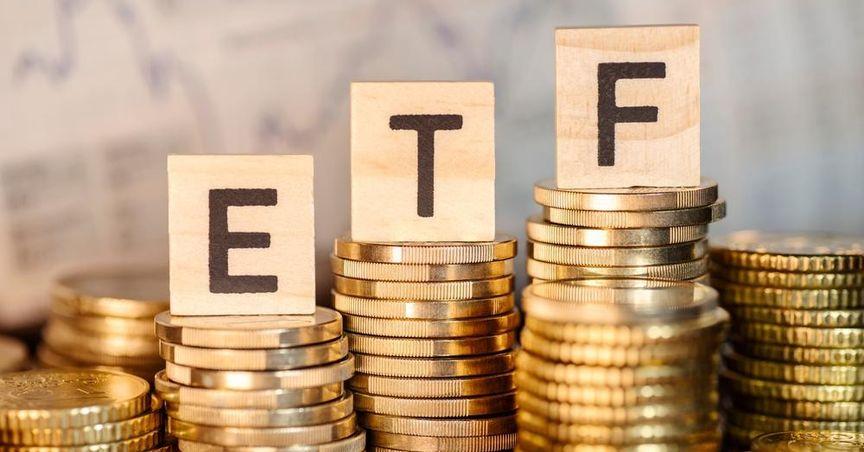
The Australian exchange-traded fund market is on course for its busiest year yet, with a wave of new products and record inflows underscoring how firmly these vehicles have entered the mainstream. Broad-based funds sit at the centre of that surge, and the Vanguard Australian Shares Index ETF (ASX:VAS), which tracks a wide basket of the largest listed local companies, remains among the most heavily used ways to gain diversified exposure in a single trade. The appeal is simple, low-cost breadth without the need to assemble a portfolio stock by stock.
Why the flows keep building
The rise of exchange-traded funds reflects a straightforward preference for simplicity and cost. Rather than researching and monitoring dozens of individual holdings, a person can gain exposure to an entire market or theme through a single listed vehicle that trades like an ordinary share. That convenience, paired with generally low ongoing fees, has drawn steadily rising sums into the sector, and the pace has accelerated as awareness spreads.
Structural shifts are reinforcing the trend. A growing culture of self-directed portfolio building, the ease of online trading and the appeal of transparent, rules-based products have all encouraged more people to route their savings through ETFs. Changes to the tax treatment of longer-term holdings have added further momentum, and the cumulative effect is a market expanding at a pace few anticipated a decade ago.
Broad index funds do the heavy lifting
For all the attention that niche products attract, the bulk of the money flows into plain, broad-market funds. These track large baskets of local or global shares and serve as the core building block of many portfolios, offering wide diversification at minimal cost. Their popularity rests on a simple logic, capturing the overall return of a market cheaply, rather than trying to outguess it, suits the goals of many who use them.
International exposure has been a particular draw. The Betashares Nasdaq ETF (ASX:NDQ), which tracks a basket of large United States technology-oriented companies, gives local users access to global names that dominate their industries but are absent from the domestic board. Blending home-market breadth with international reach in this way has become a familiar approach for building a diversified base from listed funds.
The details that matter
Beneath the surface, funds that look alike can differ in ways that affect outcomes. The ongoing management fee, though often small, compounds over time and directly reduces the return an owner keeps, so comparing costs across similar products is worthwhile. A cheaper fund tracking the same index will, all else equal, leave more in the owner's hands over the years.
Tracking quality is the other technical consideration. A well-run fund closely mirrors the index it follows, while a poorly managed one can drift, delivering returns that lag the benchmark. For those weighing options among ASX ETF Stocks, checking how faithfully a fund has tracked its target, alongside its fee, gives a clearer picture than the headline theme alone.
Distribution and structure
How a fund handles income also varies. Some distribute the dividends they receive to owners, while others are structured to reinvest, and the choice affects both cash flow and tax outcomes. Understanding whether a product suits a preference for regular income or long-term accumulation helps match the vehicle to the purpose, a step often overlooked amid the focus on headline exposure.
Liquidity and trading
Because ETFs trade on the exchange throughout the day, the ease of buying and selling matters. Larger, widely held funds generally trade with tight spreads and ample volume, making it simple to move in and out near fair value. Smaller or more specialised products can trade less freely, so the practicalities of dealing deserve a glance before committing to a niche vehicle.
A maturing market
The sheer breadth of choice is a double-edged development. A wider menu means almost any exposure can now be accessed through a listed fund, from broad indices to narrow themes, but it also demands more discernment. Not every new product serves a genuine need, and the proliferation of options places more responsibility on the user to distinguish a useful building block from a novelty chasing a trend.
For most, the enduring value of the sector lies in its low-cost, diversified core rather than its more exotic fringes. Broad index and international funds remain the workhorses precisely because they do a simple job well, and the record flows suggest that message has been widely absorbed even as the range of alternatives multiplies.
Core and satellite thinking
A common way to make sense of the widening menu is the core-and-satellite framework. The core is built from cheap, broad funds that provide the bulk of the exposure and rarely need changing, while a smaller satellite portion can carry more targeted products that reflect a particular view or interest. This structure keeps the bulk of a portfolio low-cost and diversified, yet leaves room to express conviction without letting a single narrow bet dominate the whole.
The discipline in this approach is proportion. Keeping satellites modest relative to the core limits the damage if a themed product disappoints, while still allowing it to contribute meaningfully if it does well. For many, this balance captures the best of both worlds, the reliability of broad-market ownership and the flexibility to lean into specific ideas, all through instruments that trade as easily as any listed share.
Where the sector is headed
The Australian ETF market's record trajectory looks set to continue as the vehicles cement their place in everyday portfolio building. The growth is a vote of confidence in low-cost, transparent, diversified exposure, and it has democratised access to markets that were once harder to reach. The task for users is to look past the marketing of each new launch and focus on the fundamentals, cost, tracking, structure and liquidity, which quietly determine what a fund actually delivers.
