
 AUS
AUS
 NZ
NZ
 UK
UK
 CA
CA
 USA
USA
 IND
IND






Highlights
- Solar and battery integration transforms Australia's energy grid
- Falling tech costs accelerate renewable adoption
- Households and industries shift towards cleaner energy
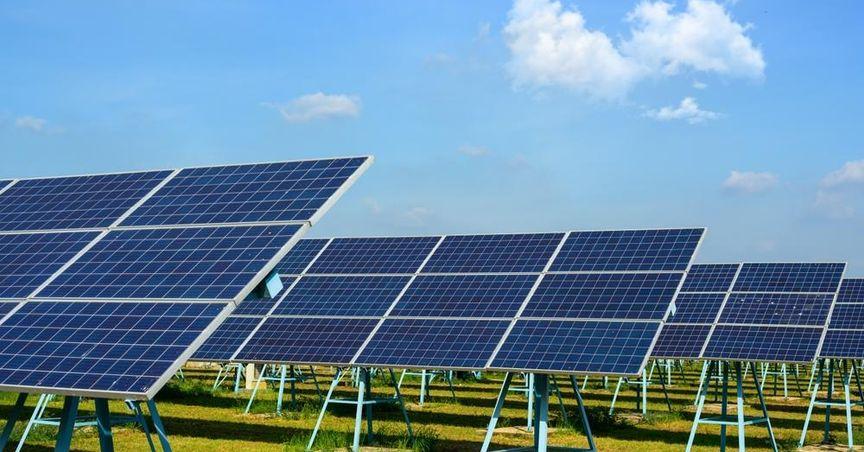
Australia’s energy landscape is undergoing a major transformation. As part of a broader global shift, the country is rapidly embracing solar power and battery storage to redefine how energy is produced and consumed. While debates around nuclear options continue, the practical momentum lies with technologies already making tangible differences in the national grid. Notably, companies within the ASX 200 like AGL Energy (ASX:AGL) are actively participating in this shift, marking their role in the renewable evolution.
Solar modules sourced from global manufacturers have seen consistent cost reductions. These falling prices, combined with improved battery technologies, are enabling large-scale energy storage solutions. This advancement ensures that solar energy captured during the day can be stored and used when demand surges during evening and early morning hours.
Several large battery installations have come online recently. Projects like Ulinda Park in Queensland and the renewable energy hub near Melbourne are contributing to a more stable and flexible grid. These installations are positioned to expand as the demand for clean energy grows, making them a critical part of Australia’s long-term energy strategy.
Meanwhile, individual households are also becoming energy contributors. Solar rooftops, supported by incentive schemes, are increasingly paired with home battery units. These setups are allowing homes to manage their energy use more efficiently and contribute to easing pressure on the grid during peak times.
Despite concerns about rising energy bills, wholesale electricity prices are moving in the opposite direction. The integration of more wind, solar, and storage is steadily reducing the underlying cost of power, a trend expected to continue. This shift opens opportunities for large power consumers such as data centres and industrial facilities to operate more economically with access to cleaner energy.
South Australia stands as a leading example of what's possible, often meeting its electricity needs entirely through renewable sources. With better interconnectors being developed across state lines and renewable hubs, the potential for national-level power cost reductions is becoming more realistic.
Households with solar panels, battery storage, and electric vehicles are paving the way toward a future defined by energy independence and reduced emissions. These advancements are not only a testament to innovation but also a sign of economic and environmental promise.
As the cost of renewable infrastructure continues to drop, the conversation is shifting—from how to generate enough energy, to how best to utilise abundant, low-cost, and clean power across all aspects of life and industry.
