
 AUS
AUS
 NZ
NZ
 UK
UK
 CA
CA
 USA
USA
 IND
IND




Highlights
Oil prices soften amid shifting geopolitical signals
Global equities show mixed but steady movement
Energy concerns reshape economic outlook
Oil markets eased while equities showed resilience as geopolitical developments influenced investor sentiment, with attention turning toward economic stability and energy security.
The keyword ASX 100 continues to draw attention as global financial markets navigate a complex mix of geopolitical developments and economic adjustments. Oil prices experienced a notable decline while equity markets across key regions displayed varied yet generally stable performance. The evolving situation surrounding tensions in the Middle East has created a dynamic environment, influencing commodities, equities, and broader economic sentiment.
Oil Market Reacts to Shifting War Signals
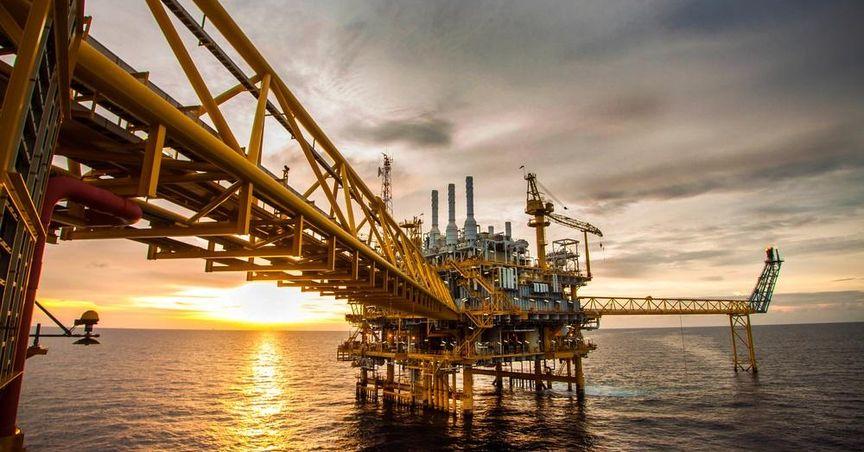
Global oil benchmarks, including Brent crude and West Texas Intermediate, recorded a decline, although they remained elevated compared to historical norms. The movement followed reports suggesting a possible shift in strategy regarding the ongoing conflict involving Iran.
Markets responded to indications that efforts could move away from prolonged military engagement toward alternative approaches. However, uncertainty remains high, as contrasting signals continue to emerge from policymakers.
The Strait of Hormuz remains a focal point for global energy flows, acting as a critical passage for oil and gas shipments. Any disruption or prolonged closure raises concerns about supply stability. Despite the decline in oil prices, the broader outlook continues to reflect tight supply conditions and heightened geopolitical risk.
Equity Markets Show Resilience
While oil prices softened, global stock markets demonstrated relative stability. Key markets across Asia-Pacific, including Hong Kong, Shanghai, and Sydney, recorded upward momentum, indicating a degree of confidence among investors.
Movements within indices such as the ASX 200 reflected broader global trends, where sectors linked to commodities and energy responded to price fluctuations, while financial and technology stocks maintained steadier performance.
However, not all markets followed the same trajectory. Some regions, including parts of East Asia, experienced declines, highlighting the uneven impact of geopolitical developments on investor sentiment.
Strategic Uncertainty Keeps Markets on Edge
Despite signs of easing tension, markets remain highly sensitive to geopolitical headlines. Mixed messaging surrounding diplomatic engagement and military threats has created a complex narrative for investors to interpret.
The possibility of targeted actions against key energy infrastructure has added another layer of uncertainty. Such developments could significantly disrupt global supply chains, pushing oil prices higher and affecting economic stability worldwide.
At the same time, discussions around diplomatic engagement suggest that efforts toward de-escalation are still being explored. This dual narrative has resulted in a cautious approach among market participants.
Global Economic Ripple Effects
The ongoing situation has prompted governments worldwide to introduce measures aimed at mitigating the impact of rising energy costs. Policymakers are focusing on both short-term relief and long-term sustainability strategies.
Countries have begun implementing energy-saving initiatives, adjusting fuel taxation policies, and providing financial support to households and businesses. These actions aim to cushion the economic impact while maintaining stability in domestic markets.
The influence of elevated energy costs extends beyond fuel prices. It affects production costs, supply chains, and consumer spending, creating a ripple effect across multiple sectors. This dynamic is closely monitored within broader indices such as the ASX 300, where diverse sector representation highlights the widespread implications.
Energy Security Takes Centre Stage
Energy security has emerged as a central theme in the current global landscape. With a significant portion of global energy supply passing through strategic waterways, any disruption poses a major risk to economic stability.
Governments and institutions are increasingly prioritizing energy conservation and diversification strategies. Efforts to reduce reliance on vulnerable supply routes are gaining momentum, with investments in alternative energy sources and infrastructure becoming more prominent.
This shift is also influencing investor preferences, with increased attention on sectors that offer resilience amid energy uncertainty, including renewable energy and infrastructure.
Inflation and Monetary Policy Outlook
Rising energy prices have historically contributed to inflationary pressures. However, central banks appear to be adopting a measured approach in response to the current situation.
Officials have indicated that energy-driven inflation may be temporary, emphasizing the importance of maintaining stable monetary policy while assessing the broader economic impact. This approach reflects confidence in existing frameworks while acknowledging the need for flexibility.
Markets are closely watching how these policies evolve, particularly in relation to interest rates, liquidity conditions, and economic growth projections.
Investor Sentiment and Market Dynamics
Investor sentiment remains closely tied to geopolitical developments. The balance between optimism for diplomatic progress and concern over escalation continues to shape market behavior.
In equity markets, sectors linked to energy and commodities tend to respond more directly to oil price movements, while defensive sectors provide relative stability. Dividend-focused investments, including those within ASX dividend stocks, have also gained attention as investors seek consistent returns amid uncertainty.
This environment highlights the importance of diversification and strategic allocation across asset classes.
Long-Term Implications for Global Markets
The current situation underscores the interconnected nature of global markets. Geopolitical developments in one region can have far-reaching effects across commodities, equities, and economic policies worldwide.
In the long term, the focus is likely to shift toward resilience and adaptability. This includes strengthening supply chains, enhancing energy security, and fostering economic stability through coordinated policy measures.
Markets are expected to remain sensitive to developments in the region, with volatility influenced by both geopolitical and economic factors.
The recent easing in oil prices, combined with mixed performance in global equities, reflects a complex and evolving market environment. While signs of potential de-escalation offer some relief, underlying uncertainties continue to shape investor sentiment.
As governments and institutions respond to the challenges posed by energy costs and geopolitical risks, the focus remains on maintaining stability and supporting economic growth. The interplay between these factors will continue to influence market trends in the coming period.
