
 AUS
AUS
 NZ
NZ
 UK
UK
 CA
CA
 USA
USA
 IND
IND


_06_04_2026_05_16_02_212823.jpg)



Highlights
Grid firming is becoming central as renewable generation expands across electricity networks.
Batteries, gas peakers and uranium-linked exposure each address different reliability needs.
Integrated energy companies connect generation, storage, trading and flexible capacity within one operating model.
Explore how batteries, gas peakers, uranium and integrated ASX energy companies shape the grid-firming debate as renewable power changes electricity reliability.
The Australian energy sector is moving through a major structural shift as renewable generation, storage assets, gas infrastructure and grid reliability requirements reshape electricity markets. Companies within the ASX 200 energy landscape are increasingly assessed not only by generation capacity, but also by their ability to support reliable supply when solar and wind output changes across the day, week or season.
AGL Energy (ASX:AGL) represents one of the most visible listed examples of this transition, with operations spanning electricity generation, battery storage, flexible generation assets, customer services and wholesale market participation. Its portfolio reflects the wider debate around how a modern grid stays stable while coal exits, renewable penetration expands and electricity demand becomes more complex.
Why Grid Firming Has Become Central to Energy Markets
Renewable power has changed the economics of electricity generation. Solar and wind assets can produce low-cost electricity when natural conditions are favourable, but their output does not always align with demand. Solar output peaks during daylight hours, while demand can remain elevated after sunset. Wind generation can vary across regions and weather systems. This mismatch has shifted attention from pure generation volume to firming capability.
Firming refers to the tools that help convert variable renewable generation into dependable supply. These tools include battery storage, gas peaking plants, pumped hydro, demand response, interconnection, and other flexible resources. The purpose is not only to generate electricity, but to make electricity available when customers need it.
This shift has made reliability a major commercial and policy question. Households, factories, hospitals, transport systems, digital platforms and data centres all depend on stable electricity. A grid with high renewable participation needs assets that can respond quickly, store surplus power, or operate during extended weather events.
The value pool within electricity markets is therefore moving toward flexibility. Assets able to respond during tight supply periods may become more important as traditional coal capacity retires. The ability to manage timing, not merely output, is becoming a defining feature of the modern energy sector.
Demand patterns are also changing. Electric vehicles, electrified industry, data centres, heating systems and digital infrastructure can all increase load across certain periods. This adds complexity to grid planning, especially when demand rises during times of lower renewable output.
Integrated energy companies occupy a significant position because they can combine generation, storage, customer demand, trading expertise and flexible assets. Their role is not limited to producing electricity; it also includes balancing supply, managing market exposure, and participating in reliability services.
For investors tracking broader Australian equities through the All Ordinaries, energy reliability has become one of the major themes linking utilities, infrastructure, resources and technology-driven power demand.
Batteries and the Daily Reliability Task
Battery storage is one of the clearest responses to short-duration grid firming. Batteries can absorb electricity when solar generation is abundant and dispatch it later when demand rises or renewable output falls. This makes them especially useful for managing daily swings in supply and demand.
The economics of batteries are connected to volatility. When electricity is abundant during daylight hours and more valuable during evening periods, batteries can participate in the spread between those conditions. They can also provide frequency control and other grid services that help maintain system stability.
Battery projects also support renewable integration. Without storage, excess renewable output can be curtailed when supply exceeds demand. Batteries help shift that electricity into periods when it is more useful, improving the efficiency of the broader system.
Large-scale batteries are increasingly associated with former thermal generation sites. These locations often have grid connections, transmission access and established energy infrastructure. Reusing such locations can assist the transition from coal-heavy generation to more flexible energy systems.
However, batteries are not a complete answer for every reliability challenge. Many current battery projects are designed around shorter discharge windows. They are effective for intraday balancing, but extended periods of weak wind output or low solar generation may require other forms of firm capacity.
This limitation explains why the firming debate includes multiple technologies rather than one solution. Batteries are powerful tools for daily balancing, but the energy system also needs assets that can respond across longer events.
Battery deployment also connects with capital allocation, engineering capability, grid access, regulatory approvals and market design. The assets require careful integration into wholesale markets and grid operations.
The development of storage assets has also increased attention on adjacent sectors such as lithium, critical minerals, power electronics, software systems and grid services. These connections show how firming extends beyond energy utilities into the wider industrial and resources landscape.
Discussion of income-related equities such as ASX dividend stocks often includes established energy names, but battery storage adds another dimension by linking recurring customer energy activity with infrastructure transition.
Gas Peakers and Flexible Generation
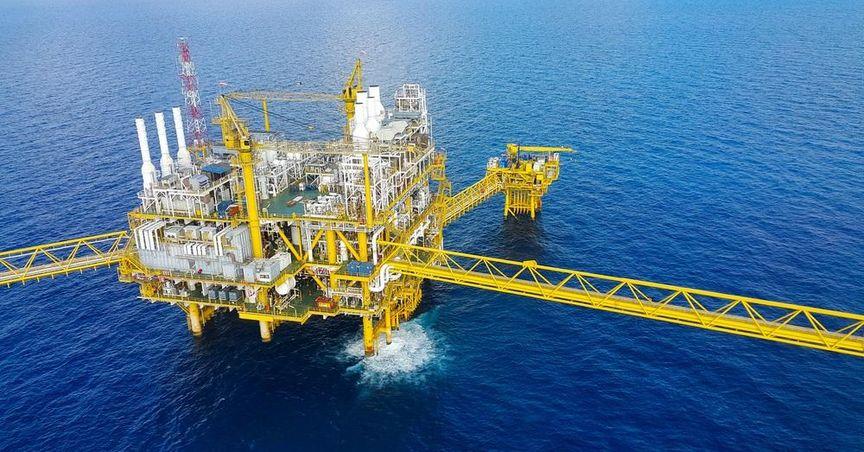
Gas peaking plants play a different role from batteries. They are generally designed to operate during periods when electricity supply is tight, demand is high, or renewable output is insufficient. Their economic role is often linked to availability and flexibility rather than constant operation.
Gas peakers can start relatively quickly compared with some traditional thermal plants. This makes them useful when sudden changes occur across the grid. During heatwaves, wind lulls, evening demand peaks, or extended system stress, flexible gas capacity can support reliability.
The transition debate often treats gas as controversial because it remains a fossil fuel. Yet its role in a renewable-heavy grid is distinct from baseload coal. A peaking plant running only during tight supply events has a different emissions profile from a plant operating continuously.
Grid planners often focus on whether capacity is available when needed. In this context, gas peakers can function as insurance assets. They may sit idle for extended periods, then become important during scarcity events.
Commercially, these assets are shaped by market volatility, capacity arrangements, fuel availability, transmission access and operating efficiency. Their value depends on system conditions rather than constant output.
Gas also provides duration that batteries may not fully cover. If renewable output remains weak for several days, stored electricity can be depleted. Flexible generation can continue operating if fuel supply and infrastructure are available.
This does not mean gas replaces batteries. The technologies serve different parts of the reliability challenge. Batteries respond rapidly and manage daily cycles. Gas peakers can address longer or more severe reliability events.
Integrated energy companies often manage both kinds of assets because the grid requires multiple forms of flexibility. A portfolio that includes batteries, gas peakers, renewable generation and customer load can participate across several market conditions.
For broader market observers following the asx all ords, the presence of gas within transition portfolios highlights the practical complexity of electricity reliability during a period of major system change.
Uranium and the Baseload Reliability Debate
Uranium enters the firming discussion through nuclear power, which provides steady, low-emission electricity in countries where nuclear generation is permitted. Unlike batteries or gas peakers, nuclear plants are typically associated with continuous output rather than flexible short-duration response.
The relevance of uranium for Australian-listed markets is mainly international. Australia has significant uranium resources and ASX-listed uranium companies, while domestic nuclear generation remains constrained by policy settings. This means uranium-linked exposure is generally tied to global reactor fleets, international fuel demand and overseas energy security debates.
Nuclear power is often discussed because it can provide reliable electricity without direct carbon emissions during operation. Supporters view it as a complement to renewable generation in decarbonising electricity systems. Critics focus on development timelines, waste management, capital intensity, safety frameworks and policy barriers.
From a market perspective, uranium differs from integrated utilities and battery-linked energy assets. It is a commodity-linked theme shaped by mine supply, reactor requirements, contracting cycles, inventory levels and government policy in major nuclear markets.
This gives uranium a different profile within the firming debate. It does not directly address Australia's immediate grid-balancing task under current policy settings, but it remains part of the global reliability conversation.
The uranium theme also demonstrates that firming is not a single domestic question. Electricity systems around the world are taking different paths. Some rely more heavily on batteries and gas. Others retain or expand nuclear capacity. Some use hydro resources, interconnectors or demand response as major balancing tools.
Australia’s pathway is influenced by its resource base, renewable endowment, policy framework, transmission geography and existing generation fleet. Uranium-linked companies therefore sit alongside, rather than inside, the domestic grid-firming toolkit.
For ASX investors, the distinction matters. Integrated electricity companies, battery supply chains, gas producers, network assets and uranium companies all relate to reliability, but they do so through different mechanisms and market drivers.
Holding the Reliability Theme Across the Energy System
The firming debate is best understood as a full energy-system question rather than a contest between single technologies. A renewable-heavy grid needs multiple forms of flexibility across different timeframes. Batteries help manage daily swings. Gas peakers support stress periods and longer gaps. Uranium connects to global baseload reliability where nuclear generation is part of the policy framework.
Integrated electricity companies sit near the centre of the domestic discussion because they operate across generation, storage, customers, market trading and reliability assets. Their portfolios can adapt across several conditions as the electricity system evolves.
The wider value chain also matters. Transmission networks must move electricity from renewable zones to demand centres. Software systems help manage dispatch and forecasting. Data centres and industrial users shape demand patterns. Critical minerals support battery manufacturing. Gas infrastructure provides fuel security for flexible generation.
This complexity explains why the reliability theme reaches beyond traditional utility labels. It touches resources, infrastructure, technology, industrial services and policy settings.
For market participants, the key task is understanding the function each asset performs within the grid. A battery is not assessed the same way as a uranium company. A gas peaker is not the same as a solar farm. A vertically integrated utility is different from a single-project developer.
The reliability transition is therefore about matching technology roles with system needs. Short-duration response, multi-day capacity, steady baseload, transmission strength and demand management all contribute to a stable grid.
As coal generation declines and renewable output expands, the assets that help keep electricity available during difficult periods are likely to remain central to energy-market debate. The fight over what keeps the lights on is not simply ideological; it is operational, commercial and structural across Australia’s changing power system.
