
 AUS
AUS
 NZ
NZ
 UK
UK
 CA
CA
 USA
USA
 IND
IND






Highlights
AGL Energy (ASX:AGL) and Origin Energy (ASX:ORG) are expanding renewable generation, storage and firming assets.
The national energy transition is reshaping electricity infrastructure, transmission networks and utility operations.
Batteries, renewable generation and grid modernisation remain central themes across the evolving energy landscape.
Australia's energy transition is reshaping utilities, storage projects and renewable infrastructure as major listed companies expand generation and grid capabilities.
Australia's energy sector is undergoing one of the most significant transformations in its history. Utilities, renewable energy developers, storage operators and infrastructure providers are reshaping electricity generation as the nation advances toward a cleaner energy mix. Companies operating across the ASX 200 are increasingly involved in renewable generation, battery storage, transmission infrastructure and firming capacity projects, creating a new chapter for the domestic energy market.
AGL Energy (ASX:AGL) and Origin Energy (ASX:ORG) sit at the centre of this transformation. Both companies are adapting established energy portfolios while expanding their involvement across renewable generation, storage solutions and grid-support infrastructure. Their activities illustrate how Australia's energy transition is evolving from policy discussion into large-scale operational development across the listed market.
From Energy Policy to Infrastructure Development
The shift toward renewable electricity has created a substantial infrastructure pipeline across Australia. Renewable generation facilities, battery storage projects, transmission upgrades and grid modernisation programs are becoming increasingly important components of the national energy system.
Electricity generation is moving through a period of structural change. Traditional generation sources continue playing a role, while renewable technologies expand their contribution to the overall energy mix. This transformation requires extensive planning, engineering expertise and capital deployment.
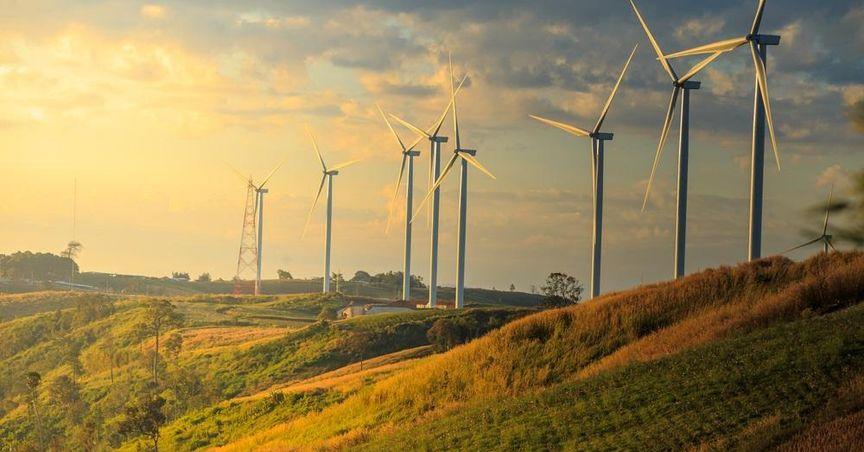
Wind generation has emerged as a significant contributor to renewable electricity supply. Large wind farms are being developed across multiple regions, supported by transmission infrastructure designed to connect renewable resources to consumers and businesses.
Solar generation is also expanding rapidly. Utility-scale solar projects, distributed rooftop systems and commercial installations continue contributing to electricity production across the country. Solar energy's increasing presence has altered generation patterns and influenced how electricity flows through the grid.
Battery storage has become an important component of the transition. Storage assets help balance supply and demand by capturing electricity during periods of strong generation and making it available when consumption requirements increase.
Transmission infrastructure forms another essential piece of the puzzle. Renewable resources are often located far from population centres, making network upgrades necessary to move electricity efficiently across the system.
The scale of infrastructure development required has created opportunities across multiple segments of the energy value chain. Utilities, engineering companies, equipment suppliers and infrastructure specialists all participate in this evolving environment.
Australia's renewable energy transformation is therefore not limited to electricity generation alone. It encompasses storage facilities, transmission assets, operational technology and network management systems that collectively support a modern electricity grid.
The breadth of this activity is increasingly reflected across benchmarks such as the asx all ords, where energy and infrastructure-related companies continue attracting market attention.
The Expanding Role of Storage and Grid Stability
As renewable generation expands, storage technology has become a central feature of the energy system. Batteries provide flexibility by helping balance variations in electricity supply and consumption throughout the day.
Storage projects support grid stability by absorbing excess generation during periods of strong renewable output and supplying electricity when demand increases. This capability has become increasingly important as renewable penetration rises.
Large-scale battery developments are now being integrated into broader utility strategies. These assets complement generation portfolios and contribute to more flexible electricity management across the network.
AGL Energy has expanded its focus on battery infrastructure as part of its broader operational transition. Storage projects form an important element of its evolving electricity portfolio and support efforts to manage changing generation patterns.
Origin Energy is also advancing storage initiatives alongside its broader generation and retail operations. The integration of storage technology reflects the changing nature of modern electricity markets.
Grid reliability remains a critical priority throughout this transformation. Electricity systems require consistent balancing between generation and demand, making flexibility an increasingly valuable operational characteristic.
Battery technology continues advancing as deployment expands globally. Improvements in efficiency, operational capability and project scale have supported broader adoption across electricity markets.
Storage infrastructure also interacts closely with renewable generation. Wind and solar assets can be paired with batteries to improve operational flexibility and support electricity availability during varying market conditions.
Electricity demand patterns are evolving as well. Data centres, electrification initiatives and changing consumer behaviour are contributing to new consumption trends across the energy market.
Utilities therefore face the challenge of managing a more dynamic electricity environment while maintaining reliability, efficiency and customer service standards. Storage assets are becoming one of the key tools supporting this objective.
The energy transition extends beyond generation capacity alone. Storage infrastructure now occupies a central role in discussions surrounding future electricity systems and utility operations.
Integrated Utilities and the New Energy Landscape
Integrated energy companies occupy a distinctive position within the transition because they combine electricity generation, customer relationships and retail operations within a single business structure.
AGL Energy and Origin Energy both operate integrated models that include generation assets, retail customer bases and energy market participation. This combination provides exposure to multiple areas of the electricity value chain.
Retail operations remain important because they connect utilities directly with households and businesses. Customer relationships provide insight into electricity demand patterns and service requirements across different market segments.
Generation assets support electricity supply, while retail operations help manage customer demand. Together, these activities create a diversified operating framework within the broader energy market.
Integrated utilities also play an important role in managing market volatility. Their exposure across multiple operational areas allows them to participate throughout different stages of the electricity supply process.
Renewable generation projects increasingly form part of this integrated structure. Wind, solar and storage assets are being incorporated alongside existing operations as companies adapt to changing industry conditions.
Customer expectations continue evolving as well. Consumers increasingly focus on sustainability, reliability and digital service capabilities when engaging with energy providers.
Technology is becoming a larger component of utility operations. Advanced metering, digital customer platforms and energy management tools are supporting more sophisticated electricity services.
Electricity retailers also interact closely with broader infrastructure developments. Network upgrades, transmission projects and storage facilities influence how utilities operate and deliver services to customers.
The integrated utility model therefore remains highly relevant within the energy transition. Rather than representing separate activities, generation, retailing and storage are increasingly interconnected components of a modern energy business.
Across the Australian market, discussions involving utility operators frequently overlap with themes surrounding ASX dividend stocks, reflecting the established nature of many large electricity providers.
Challenges Accompanying the Energy Transformation
Large-scale infrastructure transitions inevitably involve operational and commercial challenges. Renewable generation, storage deployment and network expansion require extensive planning and coordination across multiple stakeholders.
Project delivery remains a key focus area. Renewable facilities, transmission upgrades and battery developments involve engineering, procurement and construction processes that can influence project timelines and operational outcomes.
Supply-chain considerations also play an important role. Equipment availability, transportation requirements and specialised technical expertise contribute to project execution across the energy sector.
Grid integration presents another area of focus. As renewable generation expands, electricity networks must adapt to accommodate changing generation patterns and maintain system reliability.
Policy frameworks continue shaping the operating environment. Regulatory structures, market mechanisms and energy planning initiatives influence how projects are developed and integrated into the broader electricity system.
Technology adoption adds further complexity. Utilities and infrastructure providers must evaluate emerging technologies while maintaining reliable service delivery and operational efficiency.
Community engagement also forms part of major infrastructure development. Renewable projects, transmission corridors and energy facilities often require extensive consultation and planning before construction proceeds.
Electricity demand patterns remain subject to change as industries evolve and electrification expands. Utilities must adapt to these shifts while maintaining balanced and reliable operations.
Financial discipline remains important across all stages of development. Infrastructure projects typically require substantial capital commitments and careful management throughout their lifecycle.
The energy transition therefore combines opportunity with operational complexity. Infrastructure development, technology integration and network modernisation occur simultaneously within a rapidly evolving market environment.
How the Energy Sector Continues Evolving
Australia's electricity system continues progressing through a period of significant transformation. Renewable generation, storage assets and modernised infrastructure are increasingly shaping how electricity is produced, transported and consumed.
Utilities remain central participants in this process. Their operational experience, customer relationships and infrastructure capabilities position them as key contributors to the evolving energy landscape.
Renewable generation continues expanding across multiple regions. Wind and solar projects are becoming increasingly important sources of electricity supply, supported by storage facilities and transmission investments.
Battery technology remains a prominent feature of future electricity planning. Storage assets provide operational flexibility and contribute to the stability of increasingly diverse generation portfolios.
Network infrastructure also continues evolving. Transmission upgrades and grid enhancements help connect renewable resources with consumers while supporting reliability across the electricity system.
Technological innovation remains an ongoing theme. Digital systems, advanced analytics and modern operational tools are helping utilities manage increasingly sophisticated energy networks.
Consumer participation is also becoming more prominent. Rooftop solar installations, energy management systems and changing consumption patterns are influencing how electricity markets operate.
The transition extends across the broader economy. Industrial activity, commercial operations and residential energy use all contribute to evolving electricity requirements and infrastructure planning.
References to the energy transition frequently appear alongside broader market discussions involving the asx all ords, reflecting the significance of utilities and infrastructure companies within Australia's listed market.
As renewable generation, storage technology and network modernisation continue advancing, Australia's energy sector remains one of the most dynamic areas of the domestic economy. Utilities such as AGL Energy (ASX:AGL) and Origin Energy (ASX:ORG) continue participating in this transformation through infrastructure development, operational adaptation and evolving energy market participation.
