
 AUS
AUS
 NZ
NZ
 UK
UK
 CA
CA
 USA
USA
 IND
IND






Highlights
• Australian equities show firm tone as energy supply concerns ease across global markets.
• Energy and resource companies remain central to market activity during the session.
• Market participation across major sectors reflects steady sentiment across Australian indices.
Australian equities reflect stability as global energy shipping activity normalises, with resource and energy companies supporting broader participation across major ASX market indices.
Australia’s equity market operates across a diversified sector structure including energy, mining, banking, infrastructure, and industrial companies. These sectors collectively shape the direction of benchmark indices such as the ASX 200. Movements across global energy supply chains often influence sentiment within Australian equities due to the significant presence of energy and resource companies listed on the domestic exchange.
Recent trading sessions reflected a calmer environment within global shipping routes linked to energy transport. Stability across shipping traffic through strategic maritime corridors contributed to easing concerns related to energy supply movement. Within the Australian energy sector, companies such as New Hope Corporation (ASX:NHC) remain part of the broader group of resource producers whose operations contribute to domestic and international energy supply chains.
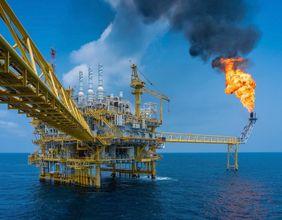
Energy producers listed on the Australian market operate across several segments including coal extraction, liquefied natural gas production, and petroleum exploration. These industries often interact closely with global logistics infrastructure such as shipping lanes and port facilities responsible for transporting commodities between producing and consuming regions.
Shipping routes connecting energy-producing regions to global demand centres form a critical part of international trade. Maritime corridors located near major oil and gas producing regions handle significant volumes of energy exports moving toward global markets. When operational activity across these corridors stabilises, commodity transport continues without major interruption.
Within Australia’s broader equities ecosystem represented by the asx all ords, energy companies form a significant component of the industrial landscape. Resource extraction, commodity export operations, and energy infrastructure providers contribute to the diversity of sectors present within the domestic exchange.
Energy Shipping Routes and Global Supply Movement
International shipping corridors play a central role in the global distribution of energy commodities including crude oil, refined petroleum products, and liquefied natural gas. These maritime routes link producing regions in the Middle East and other energy hubs with major consumption markets located across Asia, Europe, and North America.
Large volumes of global energy trade move through key maritime passages connecting regional seas and international oceans. Shipping traffic through these areas supports the movement of oil tankers, bulk carriers, and liquefied gas vessels transporting fuel supplies to international markets.
When operational activity within these routes proceeds smoothly, supply chains remain uninterrupted. Energy commodities continue to reach refineries, storage terminals, and distribution networks across global markets.
Energy supply chains involve several interconnected stages including extraction, transportation, refining, and distribution. Maritime transport represents one of the most visible components within this supply network because tankers and cargo vessels physically carry commodities across international waters.
Australia’s energy producers interact with these global supply systems through exports of coal, natural gas, and other energy resources. Bulk carriers departing Australian ports transport energy commodities toward energy-importing economies throughout the Asia-Pacific region.
Within the broader Australian market structure represented by the ASX 300, companies involved in resource extraction, logistics infrastructure, and maritime transport form an interconnected network supporting commodity exports. Energy infrastructure providers, port operators, and shipping services contribute to maintaining efficient export operations.
Stable shipping conditions allow commodity supply chains to function without significant disruption. This stability contributes to consistent transportation flows across international trade networks linked to energy markets.
Resource Sector Activity and Energy Producers
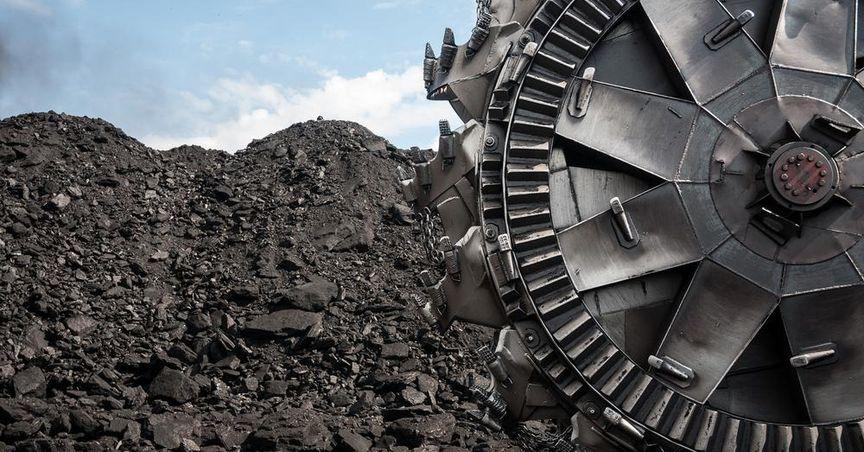
Australia’s resource sector includes companies engaged in the extraction of coal, iron ore, natural gas, and various mineral resources. These industries represent a significant portion of the country’s export economy and contribute to the overall composition of listed equities.
Coal producers, natural gas exporters, and mining companies operate across multiple regions within Australia, including Queensland, New South Wales, Western Australia, and the Northern Territory. These operations involve large-scale extraction infrastructure, transportation networks, and port export facilities.
Coal exports remain an important component of Australia’s energy trade, particularly in supplying thermal coal used in electricity generation across international markets. Bulk carriers transport these resources from Australian ports toward demand centres in Asia.
Natural gas exporters operate through liquefied natural gas facilities that convert gas into a liquid form suitable for transportation by specialised tanker vessels. These LNG carriers transport gas supplies to energy-importing economies that rely on natural gas for power generation and industrial operations.
Energy producers frequently coordinate with logistics operators responsible for rail transport, port operations, and shipping schedules. Rail infrastructure moves extracted commodities from inland mining operations toward coastal export terminals where vessels load cargo for international distribution.
Companies operating across these sectors interact closely with financial markets because commodity exports represent a substantial portion of Australia’s economic activity. Within the framework of large listed companies forming the ASX 100, resource producers frequently play a central role in market participation.
Energy-related companies often contribute to income-focused investment discussions through capital distributions associated with resource operations. Within broader equity conversations, references to ASX dividend stocks frequently include established companies operating across the energy and resources sectors.
Market Participation Across Financial and Industrial Sectors
Australian equities include companies operating across numerous industries beyond the resource sector. Banking institutions, infrastructure providers, technology companies, and industrial manufacturers collectively form a diverse financial ecosystem within the domestic exchange.
Financial institutions represent a significant portion of Australia’s market capitalisation. Major banks provide lending services, financial infrastructure, and investment services that support economic activity across households and businesses.
Industrial companies operating within manufacturing, engineering, and infrastructure sectors contribute to Australia’s production capacity and export capabilities. These industries often interact with resource producers through supply chains linked to equipment manufacturing, construction, and logistics services.
Transport infrastructure also plays a vital role in supporting commodity exports and industrial production. Rail operators, port authorities, and shipping services coordinate the movement of raw materials and manufactured goods across domestic and international markets.
Technology companies contribute to innovation across communication networks, data infrastructure, and digital services. While representing a smaller proportion of the overall market compared with banking and resources, technology firms contribute to diversification within the broader equities landscape.
Participation across these sectors reflects the diverse structure of Australia’s market environment. Banking, mining, energy, industrial manufacturing, and technology collectively shape the composition of listed companies within major indices.
Market activity across these industries demonstrates how various sectors interact within a single financial ecosystem. Resource extraction may influence export revenues, financial institutions provide capital infrastructure, and industrial companies deliver equipment and services supporting broader economic activity.
Global Trade Activity and Commodity Transport Networks
Commodity transportation networks form a central component of global trade systems connecting energy producers, resource exporters, and industrial economies. Shipping routes across major oceans link supply regions with international consumption centres.
Bulk carriers transporting coal, iron ore, and agricultural commodities operate across long-distance trade routes connecting Australia with markets throughout Asia and beyond. These vessels move through a network of international maritime passages that support continuous commodity transport.
Oil tankers and liquefied gas vessels represent another segment of maritime transport infrastructure responsible for moving petroleum and natural gas supplies across international markets. These vessels travel through designated shipping lanes linking energy-producing regions with refineries and storage facilities worldwide.
Port infrastructure plays an important role in supporting these transport networks. Export terminals located along Australia’s coastline manage loading operations, cargo storage, and vessel coordination for large commodity shipments.
Rail networks and freight logistics systems transport commodities from inland mining and energy production sites to coastal export terminals. These transport systems form an essential link within the broader commodity supply chain connecting production with international trade.
Global commodity markets depend on reliable transportation infrastructure to maintain the steady movement of raw materials and energy supplies. Maritime shipping networks represent the backbone of international trade, enabling the transfer of large cargo volumes between continents.
Within Australia’s economic landscape, the resource sector remains closely tied to global trade flows. Commodity exports contribute significantly to trade activity and influence the participation of energy and mining companies within domestic equity markets.
