
 AUS
AUS
 NZ
NZ
 UK
UK
 CA
CA
 USA
USA
 IND
IND






Highlights
• Certain ASX dividend stocks are displaying elevated yield levels.
• Income-focused sectors remain central to benchmark participation.
• Financial and resource companies continue to shape yield dynamics.
High-yield ASX dividend stocks remain central to Australia’s income-focused market culture, with financial and resource sectors shaping distribution trends.
Australia’s equity market has long been recognised for its strong culture of income distribution, with dividend-paying companies forming a significant portion of major benchmarks such as the ASX 200 and the broader ASX All Ordinaries. Financial institutions, resource producers, and infrastructure operators have historically contributed to the country’s reputation for steady dividend streams.
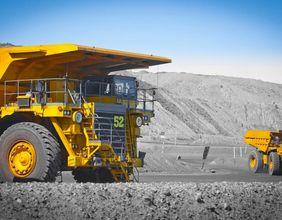
Within this landscape, certain high-yield counters have drawn attention for distributing a substantial proportion of earnings to shareholders. Fortescue Ltd is frequently referenced in discussions around yield metrics, reflecting its exposure to iron ore exports and commodity-linked cash flows. Fortescue Ltd (ASX:FMG) operates within the materials sector, where earnings variability is closely linked to global commodity demand and pricing frameworks.
The prominence of income-oriented equities has reinforced the importance of dividend metrics in portfolio construction across the Australian market. Companies represented in the ASX 300 collectively illustrate the breadth of industries contributing to dividend flows.
Yield levels can fluctuate depending on share price movements, payout ratios, and earnings outcomes. As a result, dividend themes often evolve in response to both company-specific developments and broader macroeconomic shifts.
Sector Composition and Dividend Culture
Dividend-paying stocks are embedded within Australia’s investment culture, particularly in the banking and resources sectors. Major financial institutions often maintain established distribution policies supported by recurring income streams from lending and wealth management activities.
Resource companies, including iron ore and energy producers, may distribute a portion of surplus cash generated during periods of favourable commodity markets. These payouts can vary based on operational performance and capital expenditure requirements.
Companies classified among established ASX dividend stocks represent diverse industries, including telecommunications, utilities, and infrastructure operators. Such firms often prioritise capital allocation frameworks that balance reinvestment with shareholder distributions.
Within the ASX All Ordinaries, dividend-paying entities contribute significantly to total shareholder income, reinforcing the index’s appeal to income-focused participants. Distribution practices can also be influenced by franking credits, which form part of Australia’s tax structure and impact net investor income.
Yield Metrics and Market Interpretation
Dividend yield is typically calculated by dividing annual dividend payments by the prevailing share price. Elevated yield readings can arise from increased distributions or from declines in share price.
High yields may reflect temporary market dislocation, cyclical earnings variability, or company-specific capital management decisions. Conversely, stable yields often correspond to mature business models with consistent cash flow generation.
Fortescue Ltd’s inclusion within the ASX 200 underscores how commodity producers contribute to income metrics during periods of robust export demand. However, payout levels remain subject to board discretion and prevailing operating conditions. Income-oriented equities can also serve as components within diversified portfolios that include growth-focused and defensive sectors.
Broader Market Conditions and Income Appeal
Market conditions, including interest rate environments and bond yield movements, often influence the relative appeal of dividend-paying stocks. When fixed income yields are subdued, equity income can attract additional attention.
Australia’s benchmark indices, including the ASX 300, reflect a blend of income and growth sectors. Financial institutions and miners frequently dominate dividend contributions within these benchmarks.
During periods of economic stability, distribution policies may remain consistent. In contrast, economic slowdowns or commodity market volatility can affect earnings and capital allocation decisions.
Dividend announcements are typically accompanied by commentary regarding payout ratios and reinvestment priorities. These disclosures provide transparency into corporate financial strategy. Companies balancing reinvestment needs with shareholder distributions often articulate capital management frameworks aligned with operational objectives.
Income Strategies Within the ASX Landscape
The Australian share market’s reputation for income distribution continues to attract domestic and international investors. High-yield equities remain an established feature within diversified portfolios.
Representation within the ASX All Ordinaries ensures that dividend-paying companies contribute materially to overall index performance. This participation reinforces the significance of income metrics within Australia’s equity narrative.
While yield figures can fluctuate based on share price dynamics, distribution consistency often reflects underlying cash flow strength and board policy. The interaction between commodity cycles, banking sector profitability, and infrastructure revenue models shapes the broader dividend environment.
Income-oriented themes remain intertwined with broader sector developments, ensuring that dividend stocks continue to feature prominently within the ASX market framework.
