
 AUS
AUS
 NZ
NZ
 UK
UK
 CA
CA
 USA
USA
 IND
IND




Highlights
- BHP remains one of Australia's largest mining companies with diversified commodity exposure.
- Copper and iron ore continue to play a central role in the company's operations.
- BHP maintains a long-standing history of returning capital to shareholders through dividends.
Explore how BHP's diversified commodity portfolio, copper exposure, and position in the ASX 200 continue to support market interest.
Australia's share market is home to several established dividend-paying companies, but few command as much attention as BHP Group (ASX:BHP). As one of the largest constituents of the ASX 200, the resources giant continues to attract interest due to its global operations, diversified commodity portfolio, and consistent shareholder returns.
While resource companies often experience cycles linked to commodity markets, BHP's scale and asset quality have helped it maintain a prominent position within the Australian market for decades. The company operates across multiple commodities that are essential to infrastructure development, industrial production, electrification, and technological advancement.
Why BHP Remains a Market Heavyweight
BHP occupies a unique position among Australian-listed companies. Its operations extend across several regions and commodities, providing exposure to a broad range of economic activities.
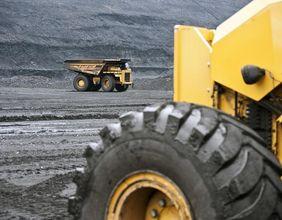
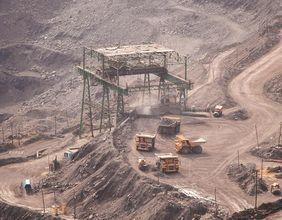
Unlike businesses that depend on a single revenue source, BHP benefits from diversification across iron ore, copper, metallurgical coal, and potash development projects. This approach helps spread operational risk while creating multiple pathways for growth.
The company's global footprint also provides exposure to international demand trends, particularly from industrial and infrastructure markets.
Copper's Rising Importance
Copper has emerged as one of the most closely watched commodities in recent years. The global shift toward electrification, renewable energy systems, data centres, and advanced manufacturing has increased focus on copper demand.
BHP's expanding copper portfolio places the company in a favourable position as industries continue investing in energy infrastructure and digital technologies.
Electric vehicles, renewable power systems, transmission networks, and large-scale data facilities all require significant quantities of copper. As these industries continue evolving, copper remains a strategically important commodity.
Iron Ore Continues To Drive Performance
Iron ore remains a cornerstone of BHP's operations.
Steel production continues to underpin infrastructure projects, commercial construction, transportation systems, and manufacturing activities around the world. As a result, demand for iron ore remains closely linked to broader economic development.
BHP's large-scale iron ore operations have established the company as one of the world's leading suppliers, helping support long-term operational strength.
The Importance of Diversification
One of BHP's defining characteristics is diversification.
Commodity markets can move through periods of strength and weakness depending on economic conditions, supply dynamics, and demand trends. Exposure to multiple commodities can help balance these fluctuations.
The company's portfolio allows participation across different industries and market cycles, reducing reliance on a single commodity theme.
This diversified structure continues to be one of the key factors distinguishing BHP from many resource sector peers.
Long-Term Industry Trends Supporting Demand
Several global themes continue supporting demand for commodities produced by BHP.
Energy Transition
Governments and industries are investing heavily in cleaner energy systems. These projects require large amounts of metals and raw materials, particularly copper.
Infrastructure Development
Population growth and urbanisation continue driving infrastructure investment across developed and emerging economies.
Roads, rail networks, energy systems, housing developments, and industrial facilities all require substantial quantities of raw materials.
Digital Expansion
Data centres, artificial intelligence infrastructure, telecommunications networks, and cloud computing facilities require extensive resource inputs.
Many of these developments depend on commodities that form part of BHP's portfolio.
Why BHP Remains Relevant for Income-Focused Portfolios
Dividend-paying companies often attract attention from those seeking regular income streams.
BHP has maintained a long history of distributing capital to shareholders through dividends, supported by its large-scale operations and diversified asset base.
Although dividend levels can vary depending on commodity market conditions, the company's position as a major global miner continues to support its relevance among income-focused market participants.
Its diversified operations, established assets, and strong market presence help underpin its long-term appeal.
What Could Influence Future Performance?
Several factors may continue shaping BHP's outlook:
- Global commodity demand
- Infrastructure spending trends
- Copper market developments
- Industrial production activity
- Energy transition projects
- Supply chain conditions
- Resource development initiatives
As these themes evolve, BHP remains positioned within sectors that play an important role in the global economy.
BHP Group (ASX:BHP) continues to stand among the most influential companies listed on the Australian market. Its combination of iron ore, copper, and diversified resource exposure provides participation in several long-term global growth themes.
As a major constituent of the ASX 200, the company remains closely connected to broader market performance while benefiting from its international operations and commodity diversification.
With ongoing demand for infrastructure materials, electrification-related metals, and industrial resources, BHP continues to maintain a significant presence within Australia's listed resources sector.
