
 AUS
AUS
 NZ
NZ
 UK
UK
 CA
CA
 USA
USA
 IND
IND






Highlights
- APA Group offers exposure to essential energy infrastructure assets across Australia.
- Charter Hall Long WALE REIT benefits from a portfolio supported by long-term lease agreements.
- Both companies provide income drivers that differ from traditional banking earnings.
- Diversification beyond financial stocks remains a key consideration for income-focused portfolios.
- APA Group is a constituent of the ASX 200.
APA Group and Charter Hall Long WALE REIT continue attracting attention through energy infrastructure and long-leased property assets that provide diversification beyond financial sector earnings.
Income-generating shares remain a key focus for many market participants, particularly those seeking exposure to established businesses with recurring cash flow profiles. While Australia's major banks continue to dominate discussions around dividend-paying stocks, opportunities also exist beyond the financial sector.
Companies operating in infrastructure and property sectors often provide alternative sources of earnings that are less dependent on lending activity, credit growth, and broader banking dynamics. Two businesses that continue attracting attention in this space are APA Group (ASX:APA) and Charter Hall Long WALE REIT (ASX:CLW).
Both companies operate within sectors that benefit from long-term structural demand trends and generate revenue through assets that play important roles within the Australian economy.
Why Diversification Matters Beyond Banking Stocks
Australia's banking sector has traditionally occupied a significant place in many portfolios.
Large financial institutions often provide exposure to established business models, broad customer bases, and regular shareholder distributions. However, concentrating heavily in one sector can increase exposure to industry-specific risks.
Bank earnings can be influenced by:
- Lending activity
- Interest rate movements
- Credit quality
- Housing market conditions
- Economic growth trends
- Regulatory developments
Infrastructure and property businesses operate under different market dynamics, creating an opportunity to diversify income sources across multiple sectors.
APA Group And The Role Of Energy Infrastructure
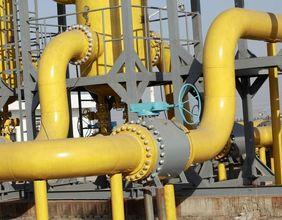
APA Group (ASX:APA) is one of Australia's largest energy infrastructure operators.
The company owns and manages a substantial portfolio of energy assets that support the transportation, storage, and distribution of energy across the country.
Its operations include:
- Gas transmission pipelines
- Energy storage infrastructure
- Power generation assets
- Renewable energy-related infrastructure
- Energy transportation networks
These assets form part of Australia's broader energy system and play an important role in supporting households, businesses, and industrial users.
Why Infrastructure Assets Attract Attention
Infrastructure businesses often benefit from long operational lives and essential service characteristics.
Unlike many sectors where products can be easily substituted, energy infrastructure assets are difficult and costly to replicate.
Building new pipeline networks or large-scale energy transportation systems typically requires:
- Significant capital investment
- Regulatory approvals
- Engineering expertise
- Environmental assessments
- Long development timelines
These barriers to entry can support the long-term strategic value of existing infrastructure assets.
Australia's Evolving Energy Landscape
Australia's energy sector continues evolving as the country balances traditional energy sources with renewable generation capacity.
This transition creates opportunities and challenges for infrastructure operators.
Reliable transportation and storage infrastructure remain critical components of the broader energy system, regardless of the energy source involved.
As demand patterns shift and energy networks adapt, infrastructure operators remain central to maintaining supply reliability and system stability.
The Importance Of Network Assets
Energy cannot simply move from production sites to consumers without supporting infrastructure.
Pipelines, transmission systems, storage facilities, and associated assets enable energy distribution across vast geographic regions.
APA's extensive network positions the company within a sector that remains fundamental to Australia's economic activity.
Infrastructure Revenue Characteristics
One reason infrastructure companies often attract attention is the nature of their revenue streams.
Many infrastructure assets operate under long-term contractual arrangements that provide visibility regarding future activity.
These arrangements can contribute to:
- More predictable cash flow profiles
- Long-term planning certainty
- Reduced exposure to short-term economic fluctuations
- Stable operational frameworks
While infrastructure companies still face risks, their business models often differ substantially from sectors driven by discretionary consumer spending.
Charter Hall Long WALE REIT And Property Exposure
Charter Hall Long WALE REIT (ASX:CLW) represents a different segment of the income market.
The trust focuses on property assets supported by long-duration lease agreements across a diversified portfolio.
Property remains one of Australia's most widely followed asset classes, and listed property trusts provide exposure to real estate without requiring direct ownership.
Understanding Long WALE Assets
WALE refers to Weighted Average Lease Expiry.
A longer WALE generally indicates that tenants are committed to lease agreements over extended periods.
This can provide greater visibility regarding rental income and occupancy expectations.
Long lease profiles may help reduce the frequency of tenant turnover and contribute to income stability over time.
A Diversified Property Portfolio
Charter Hall Long WALE REIT owns a range of property assets across multiple sectors.
Its portfolio includes exposure to:
- Office properties
- Industrial facilities
- Logistics assets
- Retail centres
- Social infrastructure-related properties
Diversification across property categories helps reduce reliance on any single market segment.
Different property sectors can experience varying demand conditions depending on economic trends, demographic shifts, and business activity.
The Importance Of Quality Tenants
Tenant quality plays a significant role in property investment performance.
Long-term lease arrangements with established organisations can provide confidence regarding occupancy and rental continuity.
Property portfolios supported by government entities, major corporates, and large institutional tenants often attract greater attention due to their perceived stability.
For listed property trusts, tenant quality remains an important factor influencing long-term portfolio performance.
Property And Infrastructure: Different Income Drivers
One of the most notable distinctions between APA Group and Charter Hall Long WALE REIT is the nature of their underlying assets.
APA derives earnings from infrastructure networks that facilitate energy transportation and distribution.
Charter Hall Long WALE REIT generates rental income through property ownership and leasing arrangements.
Although both businesses are often considered income-oriented, their earnings are influenced by different factors.
Infrastructure Influences
Infrastructure performance may be affected by:
- Energy demand
- Regulatory frameworks
- Asset utilisation
- Project development
- Network expansion
Property Influences
Property performance may be influenced by:
- Occupancy levels
- Lease durations
- Tenant quality
- Property valuations
- Rental growth
These differing drivers can contribute to portfolio diversification.
Australia's Infrastructure Investment Story
Infrastructure remains a recurring theme within Australia's economic development.
Population growth, urbanisation, and industrial expansion continue driving demand for transportation, utilities, communications, and energy systems.
Companies operating critical infrastructure assets often remain closely connected to these long-term trends.
As governments and industries invest in future capacity, infrastructure operators continue playing an important role in supporting economic activity.
Property Markets Continue Evolving
Property markets have experienced significant change over recent years.
Workplace trends, logistics growth, industrial demand, and shifting consumer behaviours have influenced property investment themes.
Despite these changes, quality assets supported by long-term tenants continue attracting attention within the listed property sector.
Diversified property portfolios can offer exposure to multiple market segments while reducing reliance on a single asset category.
Why Alternative Income Sources Matter
Many portfolios remain heavily weighted toward financial stocks.
While banks continue playing a significant role within the Australian market, alternative income sources can provide exposure to different industries and earnings drivers.
Infrastructure and property businesses may help broaden sector exposure while maintaining a focus on recurring cash flow generation.
This diversification can become particularly valuable during periods when specific sectors experience heightened volatility.
Looking Ahead
Several long-term themes continue supporting interest in infrastructure and property assets:
Energy Security
Reliable energy systems remain critical for economic growth and industrial activity.
Infrastructure operators are expected to remain important participants as Australia's energy landscape evolves.
Urban Development
Population growth and urban expansion continue driving demand for commercial property, logistics facilities, and supporting infrastructure.
Asset Replacement Challenges
Large-scale infrastructure and property assets require substantial capital, creating barriers to entry and supporting the value of established portfolios.
Final Thoughts
APA Group (ASX:APA) and Charter Hall Long WALE REIT (ASX:CLW) offer exposure to sectors that differ significantly from traditional banking businesses.
APA benefits from its position within Australia's energy infrastructure network, while Charter Hall Long WALE REIT provides access to a diversified portfolio of long-leased property assets.
Both companies operate within sectors supported by long-term structural trends and represent alternative sources of earnings beyond the financial sector.
For those seeking broader exposure across the Australian market, infrastructure and property assets continue playing an important role alongside more traditional income-oriented sectors.
