
 AUS
AUS
 NZ
NZ
 UK
UK
 CA
CA
 USA
USA
 IND
IND






Highlights
• Retail sector companies recorded increased market attention.
• Consumer-driven businesses reflected shifting spending patterns.
• Market participation highlighted evolving retail segment dynamics.
Retail sector participation highlighted evolving consumer trends, with Myer reflecting activity within the ASX 300 and broader asx all ords market structure.
Australia’s retail sector plays a significant role in economic activity, covering businesses engaged in apparel, home goods, electronics, and department store operations. These companies contribute to consumer spending and are represented across indices such as the ASX 300, which includes a broad range of companies across sectors. The retail segment operates alongside industries such as mining, financial services, and healthcare, forming an integrated component of the equity landscape.
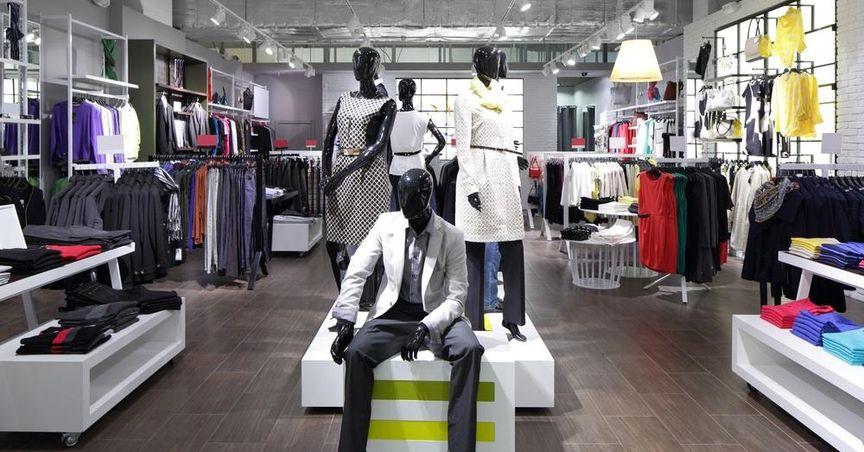
Myer Holdings Limited (ASX:MYR) operates within the department store segment, offering a diverse product range including clothing, cosmetics, and household items through both physical stores and digital platforms. The company’s operations reflect broader retail sector dynamics, where consumer demand, supply chain efficiency, and digital engagement influence business activity.
Retail companies function in an environment shaped by consumer behaviour, economic conditions, and technological advancement. The increasing integration of online and offline retail channels has transformed how businesses engage with customers, supporting a more connected and accessible shopping experience.
The inclusion of retail companies within the ASX framework highlights their contribution to market diversity. These entities interact with economic variables such as household expenditure, employment conditions, and inflation, shaping the retail landscape.
Market activity within the retail sector reflects the interaction between consumer demand and corporate operations. This relationship contributes to changes in sector participation and influences how companies are positioned within the equity market.
Consumer Spending Patterns and Retail Activity
Consumer spending remains a central factor influencing retail sector activity. Variations in disposable income, economic conditions, and employment trends shape purchasing behaviour, affecting how retail companies operate and engage with customers.
Retail businesses adapt to these changes by refining product offerings, adjusting inventory strategies, and enhancing customer engagement initiatives. Department stores such as Myer utilise both physical retail spaces and digital platforms to reach a broader customer base.
Seasonal demand and promotional campaigns contribute to fluctuations in retail activity. These factors influence customer engagement and affect how companies manage inventory and supply chains.
The broader market includes indices such as the asx all ords, which capture companies across various sectors and sizes. This index provides a comprehensive perspective on how retail businesses interact within the wider financial ecosystem.
Retail participation is also influenced by global trends, including supply chain developments and international trade dynamics. These factors shape how products are sourced, transported, and delivered to consumers.
Digital transformation continues to influence the retail sector, enabling businesses to connect with customers through e-commerce platforms, mobile applications, and data-driven strategies. This transformation reflects the evolving nature of consumer interaction.
Corporate Developments and Market Participation
Corporate developments play a key role in shaping retail sector participation. These developments include store network adjustments, digital platform enhancements, and product diversification strategies.
Retail companies regularly communicate updates related to operational activities, business strategies, and customer engagement initiatives. These updates contribute to market activity and reflect the ongoing evolution of the sector.
Myer Holdings Limited has focused on integrating digital and physical retail experiences, aligning with broader industry trends aimed at enhancing customer accessibility and operational efficiency. These initiatives reflect how retail businesses adapt to changing market conditions.
Market participation is influenced by how companies respond to consumer preferences and economic conditions. Retail businesses operate in a competitive environment that requires continuous adaptation and strategic alignment.
The diversity of corporate activity within the retail sector highlights the complexity of the market environment. Companies operate within a framework influenced by both internal strategies and external economic factors.
Segments such as ASX dividend stocks provide additional context within the market, highlighting companies focused on income distribution. This diversity contributes to a balanced representation of industries within the equity landscape.
The interaction between corporate developments and market participation reflects the dynamic nature of the retail sector, where companies continuously adjust their operations in response to evolving conditions.
Sector Trends and Industry Environment
The retail sector is shaped by a range of industry trends that influence how companies operate and engage with consumers. These trends include digital transformation, evolving consumer preferences, and advancements in supply chain management.
E-commerce has become a significant component of retail operations, enabling companies to reach a wider audience and provide convenient shopping experiences. This shift has led to the development of integrated retail models that combine online and physical channels.
Consumer preferences continue to evolve, with increased focus on convenience, product variety, and personalised experiences. Retail companies respond by enhancing product offerings and leveraging data insights to improve customer engagement.
Supply chain efficiency is another important factor within the retail sector. Companies manage sourcing, logistics, and inventory to ensure product availability and operational continuity.
Economic conditions also influence the industry environment, shaping consumer behaviour and business strategies. Retail companies must navigate these conditions while maintaining operational efficiency and customer engagement.
The presence of retail companies within broader indices highlights their contribution to economic activity. Their operations support employment, logistics networks, and consumer interaction, reflecting the significance of the sector within the financial ecosystem.
Market Structure and Economic Context
The equity market operates within a broader economic framework influenced by monetary policy, global trade, and technological development. These factors shape how companies across sectors, including retail, conduct their operations.
Retail companies are closely linked to economic conditions, as consumer spending patterns are influenced by income levels and overall economic stability. These conditions affect how businesses plan operations and engage with customers.
The structure of the market allows for the integration of companies from various sectors, providing a comprehensive view of economic activity. Financial institutions, resource companies, and retail businesses contribute to the overall composition of the market.
Indices serve as reference points for tracking sector participation and market activity. These frameworks capture changes in corporate activity and provide insight into how industries interact within the financial system.
Global developments also influence the retail sector, with international trade and supply chain dynamics affecting product availability and distribution. These factors highlight the interconnected nature of the modern economy.
The evolving nature of the market reflects ongoing changes in technology, consumer behaviour, and economic conditions. Retail companies operate within this environment, adapting to shifting trends and operational requirements.
