
 AUS
AUS
 NZ
NZ
 UK
UK
 CA
CA
 USA
USA
 IND
IND







Highlights
- TPG Telecom leans on steadier plan pricing and tighter costs to guide the year.
- The challenger balances price rises against the risk of customer churn.
- A constructive tone across mobile carriers frames the communication corner.
TPG Telecom (ASX:TPG), the challenger carrier that blends mobile, broadband and enterprise connectivity across Australia, has moved into sharper focus as the market weighs how far it can lift plan pricing without loosening its customer base. Commentary around the ASX 200 telco names has turned constructive for the year, with steadier pricing and leaner cost structures cast as the twin engines that could lift returns and free more cash across the mobile field.
Pricing power meets churn risk
The core tension for the number-three carrier is straightforward. Raising plan prices lifts revenue per customer, but it also nudges some subscribers to shop around. TPG carries a thinner premium than the market leader, so it must judge each increase carefully. The read this year is that modest rises can stick, yet the group faces a higher chance of losing customers than its larger rival if it pushes too hard. That balance sits at the centre of the story.
Competition for mobile customers in Australia runs hot, with the three networks and a raft of smaller brands all vying for the same accounts. Against that backdrop, discipline across the industry matters as much as any single carrier's plans. When rivals lift prices in step rather than chasing market share with discounts, the whole field benefits. The market is watching for signs that this rational pricing behaviour continues, since it underpins the case for firmer returns across the sector rather than a race to the bottom.
Costs and the path to stronger returns
Alongside pricing, the market is tracking how the carrier trims expenses. Consolidating networks, retiring older systems and sharpening procurement all lift the share of revenue that reaches profit. As returns on invested capital improve, more cash becomes available for the register through distributions. For a business that has spent heavily building and integrating networks, the pivot toward disciplined spending marks a meaningful shift in how the market frames its prospects.
Years of merger integration left the carrier with overlapping systems and duplicated processes to unwind. Streamlining that complexity releases savings that flow straight to the bottom line once the work is done. Management has framed cost control as central to lifting returns, and the market treats visible progress as a key proof point. Converting a heavy build phase into a leaner, cash-generative operation is the transition that would reshape how the challenger is valued against its larger peer.
Network sharing and infrastructure
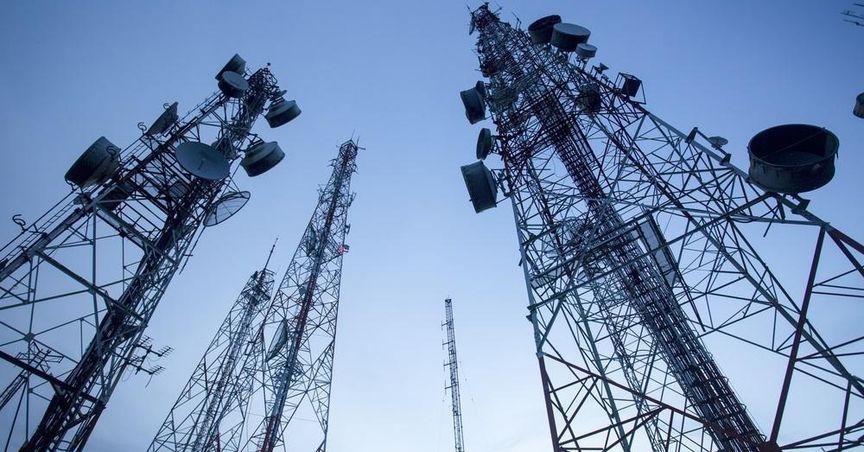
TPG's arrangements to share mobile infrastructure in parts of the country shape both its cost base and its coverage reach. Spreading the expense of towers and radio equipment lets the carrier extend service without carrying the full build cost alone. These structures influence how quickly it can widen coverage and defend its position against the larger networks, and they feed directly into the economics the market studies when judging the group's trajectory.
Those following the carrier alongside its peers can track the wider field through dedicated coverage of ASX Communication Stocks, which brings mobile operators, broadband providers and infrastructure owners together for easy comparison.
Broadband and the bundling angle
Fixed broadband remains a key plank, and the ability to bundle home internet with mobile plans helps the carrier deepen relationships and lift the value of each account. Bundling can lower churn by making it more of a chore to switch away, a useful counterweight to the pricing tension in mobile. The group's broadband brands give it several ways to reach cost-conscious homes and small businesses across the market.
Broadband margins hinge partly on the wholesale cost of accessing the national network, a factor largely outside any single retailer's control. Carriers that can add value through bundling, service quality and their own network segments protect their economics better than those competing on price alone. TPG's mix of retail brands lets it serve a spread of customers, from value-focused homes to those wanting premium plans, giving it flexibility as broadband competition ebbs and flows across the market.
Enterprise and the quieter revenue engine
Business and wholesale connectivity form a steadier revenue stream that is less exposed to consumer switching. Serving companies with fibre links, data services and managed connectivity gives the carrier ballast when the consumer market turns competitive. This side of the operation rarely grabs headlines, yet it underpins the case that the group can grind out improving returns even as it manages the delicate balance in its retail mobile arm.
The read for the year
Put together, the picture is of a challenger leaning on discipline rather than heroics. Steadier pricing, tighter costs and shared infrastructure combine to lift the odds of firmer returns, provided churn stays contained. The constructive tone around the mobile field this year rests on that logic, and TPG sits squarely within it as a carrier working to convert scale and integration into a cleaner cash story.
The tests ahead are practical. The group must show that price rises stick, that cost programs deliver and that its broadband and enterprise arms keep pulling their weight. None of that requires dramatic moves, only consistent execution. If the challenger can string together quarters of steady progress, the market's constructive lean could firm into something more durable, rewarding a business that has spent years building the scale it now aims to turn into dependable cash and stronger returns.
