
 AUS
AUS
 NZ
NZ
 UK
UK
 CA
CA
 USA
USA
 IND
IND







Highlights
- Though the surface of Mars is not fit for life at present, there is evidence that it used to have an Earth-like climate billions of years ago
- Famous business tycoon Elon Musk recently posted on Twitter, "Tesla is to protect life on Earth, SpaceX to extend life beyond"
- A few months ago in January, NASA's Curiosity Rover found carbon-rich powdered rock samples from the Earth
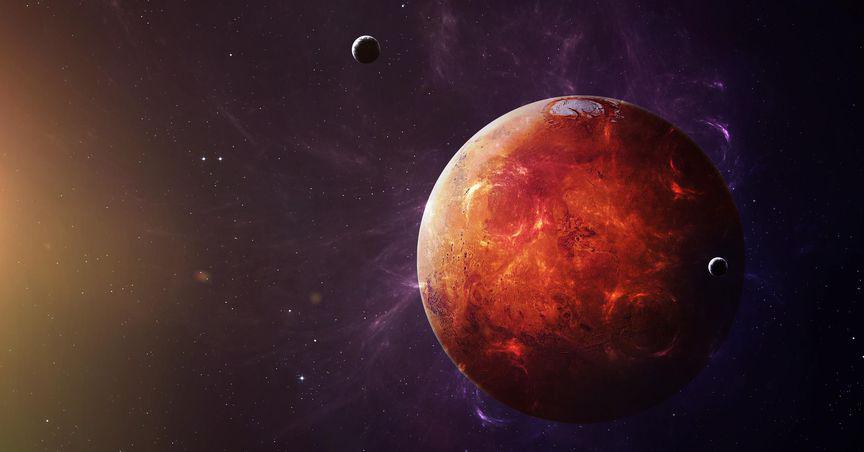
Humans have been trying to find life beyond our planet for a long time. This search has taken humans to Mars, and there is still a high level of curiosity around the red planet. NASA has been working continuously towards finding evidence of life on Mars. Though the surface of Mars is not fit for life at present, there is evidence that it used to have an Earth-like climate billions of years ago.
Famous business tycoon Elon Musk recently posted on Twitter, " Tesla is to protect life on Earth, SpaceX to extend life beyond," which has fueled a new spark and wonder among internet users regarding SpaceX and the life on Mars.
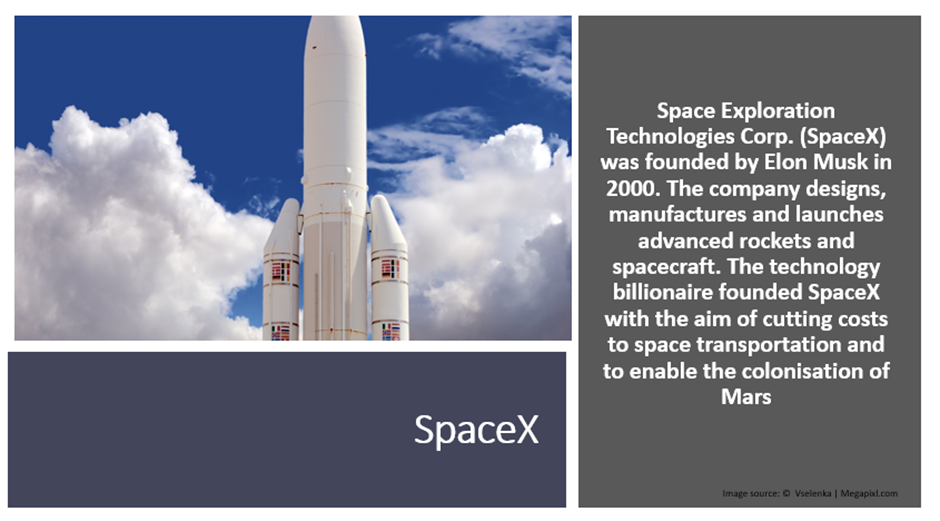
Image source: © 2022 Kalkine Media®
Is space travelling that much easy?
A journey to Mars? As fascinating as it sounds, it is a tough row to hoe. Colonising Mars would require humans to take their longest trip, a trip through space, i.e., months of arduous travelling in a closed capsule.
Dr Marc Jurblum, a medical doctor from the University of Melbourne, has outlined key health issues that prospective space travellers might have to face:
- Space Sickness – Nausea, development of space legs
- Mental stress, emotional issues
- Weakened muscles
- Eye problems
- Coughs and colds
- Medical emergencies
Viking Project
In 1976, NASA's first mission, the Viking Project, successfully landed spacecraft on the surface of Mars. It sent two identical spacecraft, Viking 1 and Viking 2.
The two landers took photographs and collected scientific data on the surface of Mars. They conducted three biological experiments to investigate the possible evidence of life on the planet.
The experiments led to the discovery of unexpected chemical activity in the soil of Mars but did not provide clear proof of the presence of living microorganisms in the soil.
Scientists believe that Mars is self-sterilising, and the sun's ultraviolet radiation combined with extremely dry soil and the oxidising nature of soil chemistry prevent the formation of living materials on the Martian soil.
Is there life on the red planet?
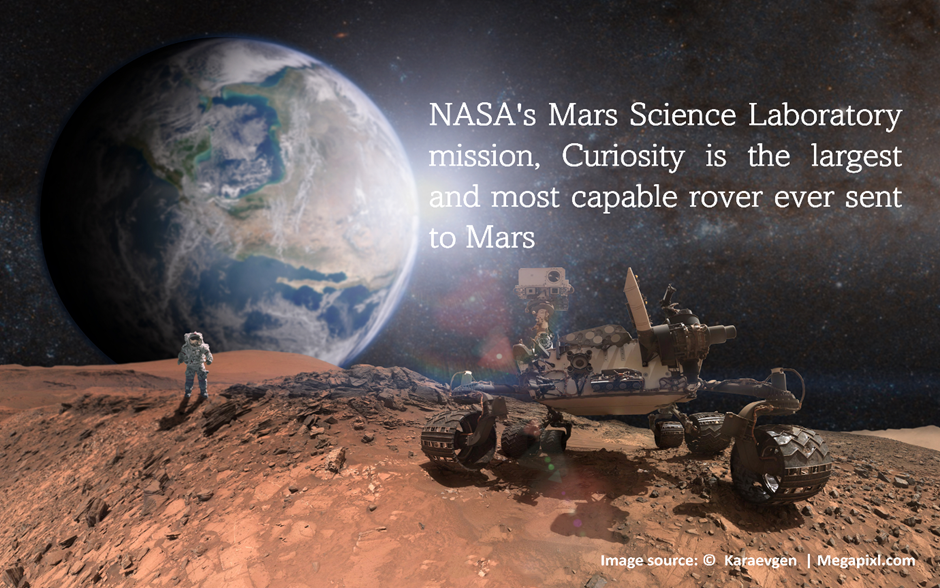
Image source: © 2022 Kalkine Media®
A few months ago in January, NASA's Curiosity Rover found carbon-rich powdered rock samples from the Earth. It is a type of carbon associated with the Earth's biological processes.
The principal investigator of the Sample Analysis at Mars, Mr. Paul Mahaffy said, "We're finding things on Mars that are tantalisingly interesting, but we would really need more evidence to say we've identified life".
The current atmosphere of Mars is mostly composed of carbon dioxide. It is very thin and about 1% of the Earth's atmospheric pressure at sea level. A simulation model by NASA predicted a stable Northern ocean if Mars had an ancient atmosphere as thick as that of the Earth.
Bottom line
Though research results are intriguing, it might take a long way to make human settlement possible on Mars.
