
 AUS
AUS
 NZ
NZ
 UK
UK
 CA
CA
 USA
USA
 IND
IND






Highlights
AustChina Holdings operates in Australia’s energy exploration sector with activities connected to coal resource permits in Queensland.
Market activity around the company reflects broader participation within the Australian resource exploration landscape.
Developments in the coal exploration environment continue shaping engagement with smaller companies across the Australian equity space.
Australia’s resource-driven economy has created a strong presence for energy and mining businesses within the national equity market. Companies operating in coal, minerals, and exploration activities are widely represented across benchmark indices such as the ASX 300, the ASX 200, and the ASX ordinaries stocks. These indices include companies at different stages of development, ranging from established resource producers to early-stage exploration organisations that operate across various geological regions.
The energy exploration segment forms an important component of the broader Australian stock market ecosystem. Numerous companies operate within this field, focusing on identifying and evaluating energy resources located in mineral-rich areas of the country. AustChina Holdings Limited (AUH.AX) operates within this exploration landscape, participating in coal resource projects connected to exploration permits in Australia.
Within the wider ASX stock market, exploration companies frequently operate through relatively compact organisational structures. Their operational activities typically revolve around geological studies, regulatory permit management, and technical exploration programs designed to evaluate underground resource formations. These companies often represent early stages of the resource development cycle, where the primary focus lies in collecting geological data and developing an understanding of the potential resource base within exploration areas.
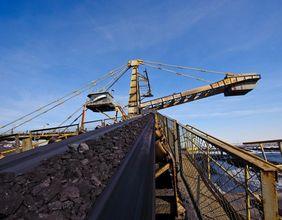
Coal exploration in Australia remains closely connected to regions with established mining heritage and export infrastructure. Queensland has historically served as one of the country’s most prominent coal-producing states, supported by extensive rail and port systems that facilitate exports to international energy markets. Exploration companies operating in the region often concentrate on identifying resource formations capable of supporting future development projects within the broader coal industry.
AustChina Holdings operates within this environment, maintaining exploration interests linked to coal resources. The company’s activities illustrate how smaller exploration businesses contribute to the early development stages of resource projects within Australia’s mining and energy sectors.
Across the broader Australian equity landscape, exploration companies form part of a dynamic resource ecosystem that includes producers, developers, and service providers. Their activities contribute to the long-standing presence of resource businesses within Australian financial markets, where developments in energy and mining sectors frequently attract attention from market participants tracking sector movements and operational progress.
Operational Structure and Exploration Footprint
Exploration companies within Australia’s coal sector generally operate through a framework centered on exploration permits that provide access to defined geographic areas with geological potential. These permits allow companies to conduct technical exploration programs designed to evaluate the presence and structure of coal deposits located beneath the surface.
AustChina Holdings maintains exploration interests within Queensland, a region well known for its coal deposits and long-standing mining operations. The exploration footprint connected to the company reflects the typical structure seen across many resource exploration entities operating in Australia. Exploration programs frequently involve the collection of geological data through field surveys, sample analysis, and historical resource research.
Geological mapping plays an important role in the early stages of exploration programs. Specialists examine surface formations and historical geological records to understand the structure of underground formations that may contain coal resources. These activities help determine whether exploration areas demonstrate characteristics associated with economically significant coal deposits.
Once preliminary geological work is completed, exploration companies may initiate drilling campaigns designed to obtain direct samples from underground formations. Drilling allows geological teams to evaluate coal seams, measure their depth, and examine the composition of the resource within the exploration zone. These technical programs help develop a clearer picture of the geological environment surrounding the exploration permit.
In addition to technical exploration programs, companies operating in this sector must comply with regulatory requirements set by Australian state authorities. Exploration permits are typically issued with conditions that require periodic reporting on exploration activities, environmental considerations, and land management practices. These frameworks ensure that exploration programs operate within established environmental and regulatory guidelines.
Exploration companies also work alongside technical consultants and drilling contractors who provide specialised expertise required for geological evaluation. These partnerships allow exploration groups to access advanced surveying techniques, drilling equipment, and geological modeling capabilities while focusing on project coordination and permit management.
The broader ecosystem of ASX mining stocks includes numerous exploration companies involved in similar activities across Australia’s mineral-rich regions. These companies collectively contribute to the early phases of resource development by expanding geological knowledge and identifying potential resource deposits across different parts of the country.
Market Participation and Trading Activity
Companies involved in exploration activities often attract attention within the Australian equity environment due to their connection with commodity sectors such as coal and minerals. Trading participation around exploration companies can fluctuate as market engagement shifts across the resource sector.
Within the broader ASX stock market, exploration entities often represent smaller market capitalisation businesses whose trading dynamics may differ from larger established resource producers. Market activity around these companies may reflect developments connected to exploration updates, corporate disclosures, and sector developments influencing resource industries.
Coal exploration companies frequently appear in market discussions related to energy supply chains and commodity demand from industrial economies. Australia’s role as a major exporter of coal connects the domestic resource sector to international markets, particularly in the Asia-Pacific region where coal continues to support electricity generation and industrial operations.
Trading participation surrounding exploration companies may also reflect attention toward operational milestones such as exploration program updates, drilling progress reports, and regulatory announcements. These disclosures provide insights into ongoing activities within exploration permits and project areas.
The Australian equity landscape includes a large number of resource exploration companies operating within the mining and energy sectors. Their presence across indices such as the ASX 300 and the ASX 200 highlights the significance of resource exploration in shaping market activity within the country’s financial ecosystem.
While exploration companies typically operate at earlier stages of development compared with established mining corporations, their role in identifying and evaluating resource deposits forms an essential part of the resource industry’s long-term project pipeline.
As participation in the resource sector continues to evolve, exploration companies remain an integral part of the broader network of businesses involved in Australia’s energy and mining industries.
Financial Structure and Corporate Characteristics
Exploration-focused companies generally operate with financial structures designed to support ongoing exploration activities rather than large-scale production operations. Because these companies focus on geological evaluation and permit management, their financial statements often reflect expenditure associated with exploration programs and corporate administration.
Operational spending in exploration companies commonly includes geological consulting services, drilling program costs, and environmental assessment activities required under regulatory frameworks. These costs support the technical work needed to evaluate resource formations and determine the characteristics of potential coal deposits located within exploration permits.
AustChina Holdings maintains a corporate structure typical of early-stage exploration entities. The company’s operational framework includes management teams responsible for overseeing exploration planning, regulatory compliance, and engagement with industry partners involved in technical exploration work.
Leadership teams in exploration companies often include individuals with experience in geology, mining operations, or project development planning. Their responsibilities may include coordinating exploration campaigns, reviewing geological data, and ensuring that corporate activities align with regulatory requirements governing resource exploration.
Publicly listed exploration companies also maintain governance structures that support transparency and reporting obligations within the Australian equity market. Corporate disclosures may include updates related to exploration activities, financial reporting, and other operational developments associated with project areas.
Although exploration companies do not typically generate consistent operational revenue during early project stages, their activities contribute to the broader resource development ecosystem. The presence of these companies across the Australian equity landscape reflects the country’s long-standing connection to resource exploration and mining industries.
Across the wider market environment, exploration companies coexist with various categories of equities including ASX dividend stocks and other resource-related listings. Together these segments form part of a diverse financial ecosystem that spans different industries and stages of corporate development.
Sector Environment and Australian Resource Market Context
Australia remains one of the world’s leading exporters of energy and mineral resources. Coal, iron ore, and a range of other commodities form a major portion of the country’s export portfolio, connecting Australian resource companies to industrial markets across Asia and other global regions.
The domestic resource sector includes companies involved in exploration, development, production, and export operations. Exploration entities play a foundational role within this structure by identifying resource deposits and expanding geological knowledge across mineral-rich regions.
Coal continues to hold an important place within Australia’s resource industry due to the country’s extensive reserves and established export infrastructure. Ports located along the eastern coastline support large-scale shipments of coal to international markets where the commodity remains part of energy supply chains.
Queensland has historically served as a major hub for coal exploration and mining activity. The state’s geological formations contain significant coal deposits that have supported mining operations for decades. Exploration companies operating in the region contribute to the ongoing evaluation of additional resource areas.
The Australian equity market reflects the importance of the resource sector through the presence of numerous mining and exploration companies across major indices. These businesses form a large component of the All Ordinaries and other benchmark groupings used to track the performance of Australian equities.
Resource exploration companies also contribute to the ongoing expansion of geological knowledge within the mining industry. Their activities support the identification of new resource zones and help maintain Australia’s position as a leading supplier of energy and mineral commodities to international markets.
As developments continue within global energy markets, exploration companies remain part of the broader resource ecosystem that underpins Australia’s mining and energy industries. Their work in geological surveying, drilling programs, and project planning contributes to the long-standing role of the resource sector within the national economy.
