
 AUS
AUS
 NZ
NZ
 UK
UK
 CA
CA
 USA
USA
 IND
IND






Highlights
• ASX 200 reflects downward movement amid broader market conditions.
• Sector participation varies across financials, resources, and industrials.
• Market dynamics highlight influence of global and domestic factors.
ASX 200 reflects sector-based movement across financials, resources, and healthcare, highlighting market participation within ASX 20 and broader economic conditions.
The Australian equity market is structured across multiple sectors including financial services, mining, healthcare, and industrials, each contributing to overall market activity and economic participation. Companies within these sectors are represented across indices such as the ASX 20 and ASX 200, reflecting their integration into the broader financial system.
Commonwealth Bank of Australia (ASX:CBA), BHP Group Ltd (ASX:BHP), and CSL Limited (ASX:CSL) are among companies that represent key sectors within the market. These organisations operate across banking, resources, and healthcare segments, contributing to the diversity of the market structure.
Market-wide movement reflects how different sectors respond to economic and global developments. Variations across industries highlight the interaction between domestic conditions and international influences, shaping overall market direction.
The structure of the ASX market allows for sectoral diversity, with each segment contributing to broader activity levels. This diversity plays a role in shaping how indices reflect changes across the financial ecosystem.
Sector Performance Across Financials and Resources
The financial services sector plays a significant role in supporting market activity through lending, capital allocation, and financial transactions. Banks operate within regulatory frameworks that ensure operational consistency and support economic stability.
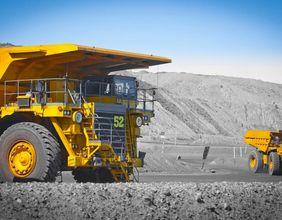
Resource companies contribute through the extraction and supply of commodities such as iron ore, copper, and other materials. These commodities are integral to global supply chains and industrial processes, linking domestic production with international demand.
Variations in sector activity often reflect differences in operational drivers. Financial institutions respond to economic conditions such as consumer activity and lending demand, while resource companies are influenced by global commodity markets and industrial demand.
The interaction between financial and resource sectors contributes to overall market dynamics, highlighting how different industries participate within the broader economy. The presence of companies within the asx all ords provides additional context for understanding sector participation across the market.
Industrial and Healthcare Sector Contribution
The industrial and healthcare sectors contribute to market activity through production, services, and innovation. Industrial companies support infrastructure development and supply chain operations, contributing to economic output.
Healthcare companies operate within frameworks focused on research, development, and service delivery. These activities support advancements in medical technology and contribute to healthcare systems.
Sector participation within these segments reflects the diversity of the Australian market. Each sector operates within distinct frameworks influenced by regulatory standards, technological developments, and demand patterns. The integration of industrial and healthcare companies into the market highlights their role in supporting economic activity and contributing to overall market structure.
Market Dynamics and External Influences
Market activity is influenced by a range of external factors, including global developments, economic conditions, and geopolitical events. These elements shape how sectors respond and contribute to overall market movement.
Global conditions influence trade, commodity markets, and financial systems, impacting how companies operate within the market environment. Domestic factors such as economic activity and policy frameworks also contribute to shaping market dynamics.
Sector-specific responses to these influences highlight the complexity of the market. Different industries react to external developments based on their operational frameworks and exposure to global conditions.
The broader financial ecosystem includes segments such as ASX dividend stocks, providing additional perspective on how companies structure financial operations within the market. The interaction between domestic and global factors contributes to variations in market activity, reflecting the interconnected nature of financial systems.
Market Structure and Economic Integration
The structure of the Australian equity market reflects the integration of multiple sectors and industries, each contributing to economic activity and financial participation. Companies within indices such as the ASX 20 and ASX 200 represent a cross-section of the economy.
Economic integration involves the interaction between domestic industries and global markets, supporting trade, investment, and financial systems. These interactions contribute to shaping how companies operate and engage with market participants.
Corporate activities within the market reflect the influence of economic conditions, regulatory frameworks, and industry-specific developments. These activities contribute to understanding how the market functions within a broader context.
The inclusion of companies across indices highlights their role in supporting economic systems and market participation. Their operations reflect the interconnected nature of industries and the importance of sectoral diversity within the market.
