
 AUS
AUS
 NZ
NZ
 UK
UK
 CA
CA
 USA
USA
 IND
IND







Highlights
• Leading ASX companies reflect market movement during global developments.
• Multiple sectors including banking, mining, and healthcare remain active.
• Market activity highlights interaction between global events and equities.
ASX 200 leaders across banking, mining, and healthcare reflect market activity amid global developments, highlighting sector participation within Australia’s equity landscape.
Australia’s equity market is composed of leading companies across sectors such as financial services, resources, healthcare, and telecommunications. These companies represent core components of economic activity and are widely included in indices such as the ASX 200 and the All Ordinaries, which track overall market participation.
The structure of these indices reflects a combination of large-cap companies that operate across domestic and international markets. Their operations span banking, mining, biotechnology, retail, and communication services, contributing to a diverse and interconnected financial ecosystem.
Commonwealth Bank of Australia (ASX:CBA), BHP Group Ltd (ASX:BHP), CSL Limited (ASX:CSL), National Australia Bank Limited (ASX:NAB), and Westpac Banking Corporation (ASX:WBC) represent key participants within this framework. These companies operate across different industries, reflecting the diversity of the Australian market.
The inclusion of these companies within major indices highlights their role in shaping overall market activity. Their operations provide insight into sector-specific developments and broader economic conditions.
Global Events and Market Environment
Global developments, including geopolitical tensions and changes in international relations, influence financial markets by affecting trade flows, energy supply, and economic activity. These factors contribute to shifts in market sentiment and sector participation across equity indices.
Commonwealth Bank of Australia (ASX:CBA) operates within the financial sector, providing banking and financial services that support economic activity. Its operations reflect broader conditions within the financial system, including lending, deposits, and capital management.
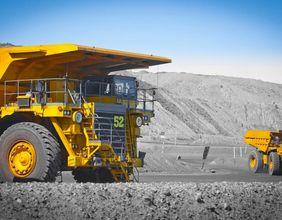
Resource companies such as BHP Group Ltd (ASX:BHP) operate within global commodity markets, where supply and demand dynamics influence production and distribution activities. These companies contribute to the supply of essential materials used in industrial and infrastructure development.
Healthcare companies, including CSL Limited (ASX:CSL), operate within the biotechnology sector, focusing on medical research and product development. Their activities support healthcare systems and contribute to advancements in medical treatments.major banks playing a key role in supporting economic activity. Institutions such as National Australia Bank Limited (ASX:NAB) and Westpac Banking Corporation (ASX:WBC) provide a range of financial services, including lending, deposits, and payment systems.
Banking operations involve managing financial resources, facilitating transactions, and supporting both individual and corporate clients. These activities contribute to the functioning of the broader economy and are closely linked to economic conditions.
Financial institutions operate within regulatory frameworks that govern their activities and ensure stability within the financial system. These frameworks influence how banks manage capital, risk exposure, and operational processes.
The participation of banking institutions within indices such as the ASX 200 highlights their importance in shaping market activity. Their operations provide insight into the health of the financial system and its interaction with other sectors.
Market dynamics within the financial sector are influenced by factors such as interest rate environments, economic conditions, and corporate developments. These elements contribute to the ongoing evolution of banking operations within the market landscape.
Resource and Healthcare Sector Contributions
The resource sector plays a significant role in the Australian market, with companies such as BHP Group Ltd (ASX:BHP) contributing to global supply chains through the extraction and distribution of commodities. These activities support industries including construction, manufacturing, and energy production.
Mining operations involve exploration, extraction, and processing of mineral resources, requiring coordination across technical and logistical components. These operations contribute to economic output and support global industrial activity.
The healthcare sector, represented by companies such as CSL Limited (ASX:CSL), focuses on the development and distribution of medical products. These activities involve research, manufacturing, and regulatory compliance, supporting healthcare systems worldwide.
The interaction between resource and healthcare sectors highlights the diversity of industries within the market. Each sector operates within its own framework while contributing to overall economic activity.
Within the broader financial ecosystem, segments such as ASX dividend stocks provide additional perspective on company participation and sector diversity. The integration of these sectors within the equity market underscores their role in supporting economic development and market activity.
Market Dynamics and Sector Interactions
Market dynamics within the Australian equity landscape reflect the combined influence of multiple sectors, including financial services, resources, healthcare, and telecommunications. These sectors interact through shared economic functions and contribute to overall market movements.
Companies within the ASX 200 operate in an environment shaped by global developments, corporate activities, and sector-specific factors. Their participation contributes to the functioning of the market and provides insight into industry trends.
Sector interactions are evident in areas such as financial services supporting resource projects, healthcare advancements contributing to workforce productivity, and telecommunications enabling business operations. These connections highlight the integrated nature of the market.
Market indices serve as a reference point for tracking these interactions, offering a consolidated view of company participation across sectors. The inclusion of diverse industries ensures that indices reflect a wide spectrum of economic activity.
Corporate developments across sectors contribute to the ongoing evolution of the market, reflecting changes in operational strategies and industry conditions. These developments provide a comprehensive understanding of how companies operate within the financial ecosystem.
