
 AUS
AUS
 NZ
NZ
 UK
UK
 CA
CA
 USA
USA
 IND
IND






Highlights
Australian equities recorded a fresh milestone as corporate earnings from major companies supported the broader market.
Consumer staples, technology, and mining companies played a central role in the session’s market movement.
Inflation data drew attention, yet corporate performance kept focus on major ASX companies and sector activity.
Australian equities recorded strong activity as major companies including Woolworths, WiseTech Global, and Fortescue shaped movements across consumer staples, technology, mining, and financial sectors within the ASX market landscape.
The Australian equities sector experienced strong activity as several major companies released corporate updates that captured attention across the market landscape. Movements within the ASX stock market reflected active participation across consumer staples, technology, mining, and financial institutions. The benchmark ASX 200 and broader All Ordinaries indices remained central indicators of performance across the Australian equity space, representing a wide group of companies operating in diverse sectors including retail, logistics technology, and resource extraction.
Within this environment, companies such as Woolworths (ASX:WOW), WiseTech Global (ASX:WTC), and Fortescue (ASX:FMG) became focal points as market activity reflected corporate updates from these large participants in the Australian equity landscape. Their presence within key indices contributes to broad representation across sectors including retail operations, digital logistics platforms, and resource production, which collectively form a substantial part of the domestic market ecosystem.
Consumer Staples and Retail Activity Draw Market Attention
Consumer staples companies played a notable role in shaping the session’s activity across Australian equities. Retail businesses operating in the grocery and consumer essentials segment maintained strong visibility due to operational updates and corporate announcements that attracted attention across the market landscape.
Woolworths operates as one of the largest grocery and retail operators in Australia, with an extensive network of stores supplying essential household goods, groceries, and everyday products. The company’s position within the consumer staples sector places it among the largest contributors to movements within major Australian equity indices. Retail operators within this segment often represent companies that maintain broad domestic reach due to the essential nature of their products and services.
Activity across the consumer staples segment influenced the broader retail environment as supermarket chains, supply networks, and distribution infrastructure continued to support domestic consumption patterns. Retail companies in this segment maintain extensive logistics operations that ensure nationwide distribution of food, household items, and everyday consumer goods. Their operational scale allows them to remain closely tied to broader economic conditions including consumer spending, supply chain management, and inventory logistics.
Within the broader equity landscape, consumer staples companies frequently serve as core components of the ASX ordinaries stocks universe, reflecting their significance across the domestic market structure. These companies often maintain large workforces, national supply chains, and partnerships with agricultural producers, logistics providers, and product manufacturers.
Retail operators also interact with multiple supporting industries such as transportation networks, warehousing operations, food production, and packaging services. This interconnected ecosystem demonstrates how activity in consumer staples companies can influence broader market sectors including logistics technology and infrastructure providers.
Beyond retail operations, the consumer staples segment reflects long established business models focused on large scale supply networks and customer distribution systems. Grocery retailers maintain significant physical infrastructure including distribution centers, refrigeration systems, and transport fleets that support nationwide delivery of goods.
The presence of these companies within benchmark indices reinforces their importance across the Australian corporate landscape. Their operational footprint across metropolitan areas and regional communities continues to place them among the most widely recognized businesses within the country’s economic structure.
Technology Firms and Digital Logistics Platforms Remain Prominent
Technology companies also attracted attention within the Australian equities environment as digital logistics platforms and enterprise software providers continued to play a central role in corporate operations across multiple industries.
WiseTech Global operates within the logistics technology sector, delivering software platforms designed to support international freight forwarding, customs operations, and supply chain management. Technology platforms developed by logistics software companies are used by freight companies, shipping operators, customs brokers, and warehouse operators to coordinate complex global supply networks.
Logistics software providers have become closely integrated with international trade operations, providing digital platforms that support customs compliance, cargo tracking, documentation management, and shipping coordination. These systems enable companies across the freight industry to manage cross border transportation of goods across air cargo networks, ocean freight routes, and land based transportation corridors.
The logistics technology sector has experienced significant expansion as global trade increasingly relies on digital infrastructure for coordination of shipments and documentation. Software platforms provide integrated systems that manage data related to customs clearance, container tracking, and freight scheduling.
Digital logistics companies also maintain partnerships with transportation providers, port operators, customs authorities, and freight companies. Their platforms serve as communication hubs connecting multiple participants involved in the international shipping ecosystem.
Technology companies operating in this sector frequently serve clients across multiple regions including Asia Pacific, Europe, and North America. Their software solutions integrate with port authorities, customs agencies, and shipping companies to support international freight movement.
Within the broader ASX 100 universe, technology firms represent a growing segment of companies delivering enterprise software, logistics platforms, financial technology systems, and data infrastructure. These businesses contribute to the diversification of the Australian equity landscape beyond traditional industries such as mining and banking.
Digital infrastructure continues to support trade logistics, customs management, and freight operations across global supply networks. As international trade volumes move through shipping lanes, airports, and rail networks, logistics software platforms provide essential coordination tools for companies handling cargo shipments and documentation processing.
Technology companies within Australian indices therefore maintain operational connections with industries including transportation, supply chain management, retail distribution, and manufacturing. This integration reinforces their position within the broader corporate ecosystem represented by major equity indices.
Mining Companies and Resource Producers Support Market Activity
Resource producers and mining companies also contributed significantly to activity within Australian equities. Mining companies represent a longstanding pillar of the domestic market due to Australia’s substantial natural resource reserves and its position within global commodity supply chains.
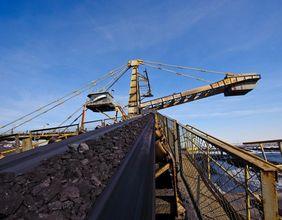
Fortescue operates within the iron ore mining industry and remains among the largest producers of this commodity globally. Iron ore extraction forms a key component of Australia’s export economy, supplying raw materials used in steel production across manufacturing and construction sectors.
Mining companies maintain extensive operations across Western Australia where iron ore deposits are extracted through large scale open pit mining projects. These operations require significant infrastructure including rail networks, processing facilities, and port terminals that enable bulk shipment of ore to international markets.
Resource companies frequently appear among the largest constituents of the ASX mining stocks category, which includes producers of iron ore, copper, lithium, gold, and other minerals. The mining industry supports a wide network of supporting businesses including engineering contractors, equipment manufacturers, logistics providers, and environmental services companies.
Mining operations involve complex extraction processes supported by heavy machinery, drilling systems, and mineral processing facilities. After extraction, raw ore is transported via dedicated rail lines to export terminals where bulk carriers transport shipments to international buyers.
Global demand for raw materials such as iron ore continues to connect Australian mining companies with international industrial activity including steel manufacturing, infrastructure development, and construction projects.
Resource producers therefore maintain strong integration with global trade routes and industrial supply chains. Bulk commodity shipments move through major Australian ports toward industrial manufacturing hubs located across Asia and other regions.
The presence of mining companies within major indices reinforces the importance of the resource sector within the Australian equity landscape. Mining firms contribute substantial operational scale and represent a significant portion of corporate activity across listed companies.
Financial Institutions and Broader Market Participation
Financial institutions also remained active within the Australian equity environment as banking companies continued to maintain large representation within benchmark indices. Australia’s major banking institutions operate extensive financial networks providing retail banking services, lending operations, and financial infrastructure across the country.
Banking groups maintain significant customer bases through branches, digital banking platforms, and payment networks serving households and businesses. Their operations encompass savings accounts, mortgages, commercial lending, and financial advisory services.
Financial institutions frequently occupy prominent positions within benchmark indices due to their substantial market capitalization and nationwide customer presence. Their services support economic activity through credit systems that enable household spending, business investment, and infrastructure development.
Banks also interact with corporate clients across industries including construction, retail, mining, and manufacturing. These relationships contribute to the interconnected structure of financial services and broader corporate activity within the Australian economy.
Financial companies frequently appear alongside resource producers and retail companies within benchmark indices such as the ASX 100 and ASX dividend stocks segments. These indices represent companies with established operations and broad participation in the domestic economy.
The financial sector also interacts with regulatory institutions, central banking authorities, and international financial markets. These interactions shape banking operations including lending frameworks, liquidity management, and financial reporting structures.
Market participation across financial institutions contributes to overall trading activity across the Australian equities landscape. Their operations remain closely connected to consumer finance, corporate lending, and capital markets services that support business expansion and infrastructure projects.
Within the broader market ecosystem, banks function as financial intermediaries connecting deposit holders with borrowers across multiple sectors of the economy. Their activities influence credit availability, financial transactions, and capital allocation within the domestic corporate landscape.
As a result, financial institutions remain core participants within benchmark indices, operating alongside companies from sectors including retail, logistics technology, and resource extraction.
