
 AUS
AUS
 NZ
NZ
 UK
UK
 CA
CA
 USA
USA
 IND
IND






Highlights
Australian equities staged a rebound after global market pressure.
Technology shares lifted sentiment across the market.
Energy volatility and global tensions continue to influence outlook.
Australian equities rebounded as investors returned to the market, supported by technology stocks and selective resource gains. However, global energy volatility and economic signals suggest markets could face renewed uncertainty.
The Morning Catch-Up across Australian markets highlighted a shift in sentiment as the ASX 200 moved higher after a turbulent start to the week. Global equities had faced notable pressure earlier, triggering broad market weakness and cautious positioning among investors. As conditions stabilised, renewed interest in undervalued shares helped the local benchmark recover ground, placing the latest ASX movement firmly in focus for market watchers.
Market participants gradually returned to equities as valuations appeared more attractive after the earlier pullback. This renewed interest helped the benchmark index close the trading session on a stronger note, interrupting the recent decline that had erased gains from earlier market highs.
Despite the recovery, market sentiment remained cautious. Global developments, particularly rising oil prices and geopolitical tensions, continued to influence trading behaviour. Overnight movements across international markets also suggested that volatility could remain a key theme in the sessions ahead.
Technology Stocks Lead the Market Recovery
Technology companies played a major role in driving the market rebound. Several technology names attracted renewed attention as investors returned to growth-focused sectors.
DroneShield (ASX:DRO) emerged as one of the notable movers during the session. The company operates in the defence technology space and has gained recognition for its counter-drone systems used by government and security organisations.
Digital payments provider Zip (ASX:ZIP) also saw strong interest as the fintech sector regained momentum. The company operates within the expanding digital payments ecosystem, which continues to evolve alongside changes in consumer behaviour and online commerce.
Logistics software developer WiseTech Global (ASX:WTC) also contributed to the sector’s upward momentum. The company’s technology platform supports global supply chains and logistics operations, areas that continue to expand as international trade becomes increasingly digitalised.
The technology sector’s performance reflected similar trends seen on international markets, where growth stocks often respond quickly to shifts in investor sentiment.
Mixed Performance Across Resource Companies
Resource stocks delivered a more mixed performance during the session as commodity markets sent varied signals.
Mining giant BHP Group (ASX:BHP) experienced softer trading as the company moved through a dividend adjustment phase. Such adjustments typically occur when companies distribute earnings to shareholders, which can influence short-term trading patterns.
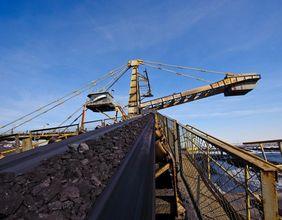
Meanwhile, Rio Tinto (ASX:RIO) showed firmer momentum as iron ore markets strengthened. The company remains one of the world’s leading producers of iron ore and plays a significant role in Australia’s export economy.
Movements in the mining sector often reflect changes in global demand, commodity pricing trends, and economic signals from major trading partners.
Energy Market Volatility Drives Global Uncertainty
One of the most significant factors influencing financial markets recently has been the surge in global energy prices.
Crude oil markets experienced strong upward momentum amid escalating geopolitical tensions in the Middle East. The region represents one of the most important energy supply corridors in the world, meaning disruptions can quickly influence global energy markets.
Concerns surrounding shipping routes and supply flows heightened fears about energy availability. Reports of tanker incidents and supply disruptions increased uncertainty among traders and investors.
Rising oil prices often have far-reaching economic implications. Energy costs influence transportation, manufacturing, and household budgets, meaning fluctuations in oil markets can ripple across financial systems worldwide.
Australian Households Maintain Cautious Spending
Economic data released recently also pointed to a cautious approach among Australian households.
Consumer spending remained relatively restrained, suggesting households continue to prioritise essential expenses and savings rather than discretionary purchases.
Cost-of-living pressures remain a key influence on consumer behaviour. Higher everyday expenses have encouraged many households to take a more conservative approach when managing finances.
This cautious spending pattern can influence several sectors, including retail, travel, and hospitality, which rely heavily on discretionary consumer activity.
Interest Rate Expectations Continue to Shift
Expectations surrounding interest rates remain another important factor influencing markets.
Economic data, global developments, and inflation signals all play a role in shaping market views about future policy decisions. Traders and analysts closely monitor these indicators to gauge how central banks might respond to changing economic conditions.
Even subtle changes in interest rate expectations can influence equity markets, currency movements, and bond yields.
Attention is now turning toward upcoming monetary policy discussions that may provide further clarity on the outlook for financial conditions.
US Markets React to Energy Concerns
While Australian equities moved higher during the session, markets in the United States experienced a more cautious tone overnight.
Rising oil prices triggered renewed concerns about inflation, which in turn influenced investor sentiment. Higher energy costs can contribute to broader price pressures across the economy.
Bond markets reflected these concerns as yields strengthened. When bond yields rise, some investors shift capital toward fixed-income assets, which can weigh on equity markets.
Despite the recent surge in oil prices, current levels remain below those seen during earlier energy crises, indicating that global economic growth has not yet faced severe disruption.
European Markets Experience Pressure
European equity markets also faced challenges as energy concerns weighed on investor sentiment.
Industrial companies were among the sectors most affected, as manufacturers are particularly sensitive to fluctuations in energy costs and raw material prices.
Export-oriented companies also faced pressure as investors assessed how higher energy costs could influence production and global demand.
Financial institutions, travel companies, and leisure businesses also reflected the cautious market mood, highlighting how global developments can affect a wide range of industries simultaneously.
Currency Markets Reflect Global Risk Sentiment
Currency markets delivered mixed movements during the period as investors responded to global developments.
The US dollar strengthened as rising bond yields and geopolitical tensions encouraged demand for safe-haven currencies. When global uncertainty increases, the US dollar often attracts attention from international investors.
Meanwhile, the Australian dollar experienced some softness. Currency movements often reflect shifts in commodity prices, interest rate expectations, and broader global sentiment.
Because Australia’s economy is closely linked to global trade and commodity markets, international developments can quickly influence the domestic currency.
Commodity Markets Send Diverging Signals
Commodity markets delivered varied signals across different sectors.
Energy markets moved higher as geopolitical tensions raised concerns about supply disruptions.
Base metals such as copper and aluminium softened as a stronger US dollar influenced global demand.
Gold prices also retreated as rising bond yields reduced the metal’s relative appeal among investors seeking income-generating assets.
Iron ore, however, displayed resilience as policy signals from China indicated continued support for industrial activity and steel production.
Broader Market Indices Remain in Focus
Beyond the benchmark index, investors continue to watch broader segments of the Australian share market.
The ASX 100 tracks many of the largest and most influential companies listed on the exchange, often reflecting global economic trends.
Meanwhile, the ASX 300 offers a broader snapshot of the Australian market by including a wider range of companies across multiple sectors.
Income-focused investors also keep a close watch on ASX dividend stocks, which remain a significant component of long-term investment strategies within the Australian market.
These broader indices help market participants understand how different segments of the economy respond to shifting financial conditions.
Key Economic Indicators Ahead
Several major economic indicators are expected to attract market attention in the near term.
Employment data in the United States may provide insight into the strength of the labour market and overall economic activity.
Retail spending figures could also reveal how consumers are responding to rising living costs.
Inflation expectations will remain an important focus, particularly if energy price movements begin influencing broader economic conditions.
Such indicators often shape expectations around interest rates and economic growth, which can influence equity markets worldwide.
The rebound in Australian equities demonstrates how markets can recover after periods of sharp volatility. Technology stocks and selective resource companies helped lift sentiment during the latest trading session.
However, global developments continue to play a critical role in shaping the broader outlook. Energy price movements, geopolitical tensions, and economic data releases remain key factors influencing investor behaviour.
Market participants will continue to monitor these developments closely as they assess how global economic conditions evolve in the coming months.
