
 AUS
AUS
 NZ
NZ
 UK
UK
 CA
CA
 USA
USA
 IND
IND






Highlights
Banking and materials sectors shaped the latest market rally
Broader sentiment improved across Australia’s equity landscape
Resource-linked companies drew strong market attention
Australia’s latest equity rally gained momentum as banking institutions and mining companies moved together, highlighting the powerful role sector leadership plays in shaping the direction of the national share market.
Australia’s equity landscape often reflects shifts in sentiment before they become widely recognised, and the latest rally across the ASX 200 highlights how sector leadership can redefine the direction of the broader ASX stock market. Periods of market strength rarely emerge from a single segment. Instead, they often unfold when major financial institutions and resource companies move in the same direction. This coordinated movement recently brought renewed attention to banking and materials groups, which collectively drove the market higher and reinforced the resilience of Australia’s equity environment.
At the centre of this development were several large banking institutions and globally recognised resource companies. Their combined influence illustrates how sector leadership within the benchmark index can shape broader market sentiment, particularly when cyclical industries begin moving in tandem.
The rally also demonstrates how closely Australia’s equity performance remains tied to financial strength and commodity demand. When banks and resource companies move simultaneously, the impact often ripples throughout other sectors, strengthening the overall direction of the market.
Sector Strength
Banking Influence
Australia’s banking sector continues to represent one of the most influential pillars of the national share market. Institutions such as Commonwealth Bank of Australia (ASX:CBA), Westpac Banking Corporation (ASX:WBC), National Australia Bank (ASX:NAB) and Australia and New Zealand Banking Group (ASX:ANZ) are widely recognised as cornerstone financial organisations that provide lending, wealth services and financial infrastructure across the country.
These banks often shape the tone of the market because of their size and role in the domestic economy. When the sector gains traction, it can lift overall confidence within the broader index. Their performance frequently reflects underlying economic conditions, including employment stability, consumer spending patterns and credit demand.
During the recent rally, the banking sector displayed renewed strength, reinforcing the perception that Australia’s financial institutions remain a stabilising force within the national equity market.
Materials Leadership
Alongside the banking sector, resource companies also contributed strongly to the market’s direction. Australia’s reputation as a global supplier of minerals and commodities means that materials companies frequently sit at the centre of equity market movements.
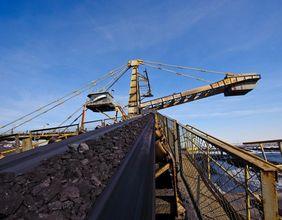
Large mining groups such as BHP Group Limited (ASX:BHP) and Rio Tinto Limited (ASX:RIO) represent globally recognised resource producers involved in iron ore, copper and other essential commodities. Their operations influence international supply chains and often reflect broader demand from global industrial economies.
Activity surrounding these companies also highlights the importance of the resources industry within Australia’s financial landscape. When mining stocks gain momentum, it often signals stronger expectations around commodity demand and infrastructure activity worldwide.
For those tracking the broader resources space, developments within ASX mining stocks remain closely tied to global economic sentiment.
Market Breadth
A rally driven by multiple sectors generally carries more weight than movements led by a single industry. When banks and materials companies rise together, it typically signals that both domestic and international factors are contributing to the shift in sentiment.
Financial institutions are largely influenced by domestic economic conditions, while resource companies respond strongly to international demand and commodity markets. When both groups align, it creates a powerful combination that can drive broader market optimism.
This dynamic helps explain why the recent rally attracted widespread attention. The movement reflected not only internal economic stability but also external demand factors supporting Australia’s export-driven industries.
What Triggered the Market Rally?
Several macroeconomic elements contributed to the market’s upward momentum. These included improved expectations surrounding economic activity, steady commodity demand, and a stable domestic financial environment.
Financial institutions tend to respond to improving economic outlooks, as stronger employment conditions and consumer confidence often support lending activity. Meanwhile, materials companies benefit from robust infrastructure spending and global industrial expansion.
Together, these forces helped create an environment where both sectors moved in tandem, reinforcing positive sentiment across the broader market.
Economic Signals
Australia’s economy frequently cycles through phases of expansion and consolidation, and equity markets tend to respond ahead of official economic data. When sectors tied closely to economic growth begin to move higher, it can signal expectations of improving activity across multiple industries.
Banks play a vital role in financing economic expansion, while mining companies supply raw materials essential to construction and manufacturing. Their simultaneous momentum therefore acts as a powerful indicator of broader economic confidence.
Market Structure
The structure of the Australian share market also helps explain why certain sectors drive overall performance. Financial and resource companies hold significant weight within the index, meaning movements in these areas can influence the broader market.
This concentration is not unique to Australia, but it highlights how sector leadership can shape sentiment across a wide range of companies. When large institutions gain traction, their influence often extends beyond their immediate industries.
Broader Index Perspective
Beyond the benchmark index, movements also ripple into other market segments, including the ASX 100 and the broader universe of ASX ordinaries stocks.
These indices capture a wider collection of companies across industries such as healthcare, technology and consumer services. While banks and miners may lead rallies, gains often spread across these segments once confidence improves.
This broader participation helps sustain market momentum and ensures that gains are not confined to a narrow group of companies.
Dividend Appeal
Another element supporting attention around major banking institutions is their association with income-focused strategies. Many large Australian banks are commonly linked with the category of ASX dividend stocks, which attracts market participants seeking regular income streams.
While dividend discussions are separate from price movements, they remain an important part of how banks are viewed within the Australian equity landscape. Their consistent role in distributing income has historically contributed to their prominence within the market.
Global Commodity Demand
Resource companies often respond strongly to developments in international commodity markets. Demand from industrial economies, infrastructure expansion and energy transition initiatives all play roles in shaping the outlook for mining companies.
When these factors align positively, mining groups can experience stronger momentum, which in turn influences the broader index. This relationship reinforces why materials companies remain central to discussions about Australia’s equity market.
Why Sector Leadership Matters
Sector leadership helps determine whether market movements are temporary or part of a broader shift in sentiment. When rallies are driven by industries that represent significant portions of the economy, they tend to attract greater attention.
Banks and mining companies fulfil this role within Australia. Their combined performance often acts as a barometer for both domestic economic conditions and international commodity demand.
Because of this, rallies led by these sectors frequently attract widespread discussion within financial markets.
Market Sentiment
Sentiment across the equity landscape evolves continuously as new information emerges. Economic updates, commodity trends and corporate developments can all influence how sectors behave within the market.
When sentiment improves simultaneously across multiple industries, the effect can strengthen overall market direction. The recent rally demonstrates how coordinated movements across financial and resource sectors can reshape the tone of trading activity.
The Road Ahead
Market momentum rarely follows a straight path. Periods of strength are often accompanied by consolidation as participants reassess economic developments and global conditions.
However, the latest rally underscores the enduring importance of Australia’s banking and mining sectors. Their combined influence ensures that movements within these industries continue to shape the broader equity narrative.
As the market evolves, observers will likely continue watching these sectors closely to gauge the direction of Australia’s financial landscape.
The recent rally across Australia’s equity market highlights the influence of sector leadership in shaping broader sentiment. Banking institutions and resource companies remain central pillars of the national share market, and their combined momentum can influence market direction significantly.
While short-term movements often attract attention, the broader significance lies in understanding how these sectors reflect underlying economic conditions. When banks and mining companies move in unison, they often signal deeper shifts in the forces driving Australia’s financial markets.
