
 AUS
AUS
 NZ
NZ
 UK
UK
 CA
CA
 USA
USA
 IND
IND




_07_12_2023_11_05_52_936360.jpg)

Highlights
- Simandou has entered the global iron ore market, adding a major new source of high-grade material.
- BHP (ASX:BHP), Rio Tinto (ASX:RIO) and Fortescue (ASX:FMG) remain central participants in the seaborne iron ore trade.
- Supply diversification, changing trade flows and evolving steel demand are influencing the global iron ore landscape.
Simandou’s entry into the iron ore market introduces a major new source of supply, influencing trade flows, steel production dynamics and global resource discussions.
The materials sector remains one of the most influential segments of the Australian share market, with major mining companies occupying prominent positions within the ASX 200. Iron ore continues to be one of Australia's most important export commodities, underpinning the earnings of some of the nation’s largest listed resource companies. The emergence of Simandou in Guinea has introduced a significant development within the global iron ore industry, drawing attention from mining companies, steel producers and commodity market participants around the world.
Among the companies most closely linked to this development are BHP (ASX:BHP), Rio Tinto (ASX:RIO) and Fortescue (ASX:FMG), all of which maintain substantial exposure to iron ore production and export activity. These companies have long played a dominant role in supplying seaborne iron ore to global markets, particularly Asia. The arrival of a major new source of high-grade iron ore introduces an additional element into a market historically influenced by Australian and Brazilian supply.
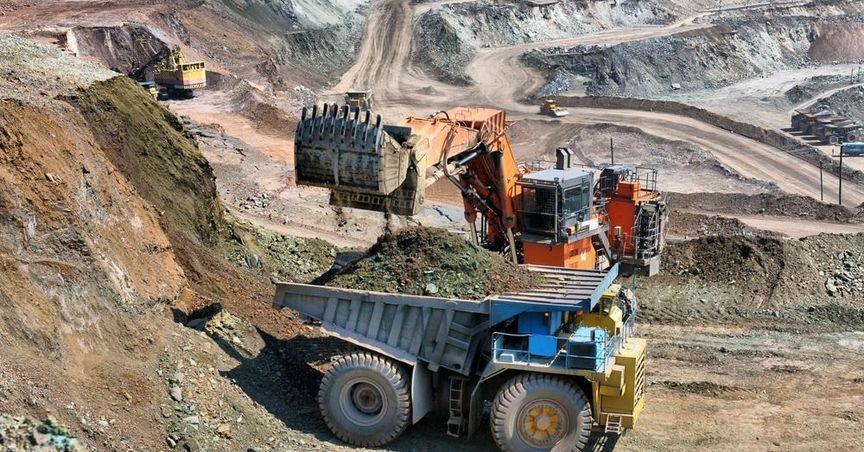
Simandou has often been described as one of the most significant undeveloped iron ore resources globally. Located in Guinea, the project has experienced a lengthy journey involving regulatory processes, infrastructure development and investment commitments before reaching commercial production. Its transition from concept to operating mine marks an important moment for the iron ore industry.
The project’s significance extends beyond production volumes. Simandou introduces a new geographic source of supply into the seaborne market and contributes to diversification within global iron ore trade flows. This development has implications for steelmaking supply chains, mining investment and resource market dynamics.
Iron ore occupies a central position in industrial activity because it is a key raw material used in steel production. Demand for steel remains closely linked to construction, infrastructure, manufacturing and industrial development across major economies. Consequently, changes in iron ore supply can attract substantial attention from participants throughout the global commodity ecosystem.
The emergence of Simandou therefore represents more than the commissioning of a new mine. It reflects broader shifts occurring within resource markets, supply chains and international trade relationships.
The Importance of Simandou in the Iron Ore Industry
Simandou’s importance stems largely from the quality and scale of its resource base. High-grade iron ore deposits are valued because they can contribute to efficient steel production and support operational flexibility for steelmakers.
The project has been discussed for many years as one of the largest undeveloped iron ore resources globally. Bringing such a deposit into production required extensive planning, investment and infrastructure development. Rail networks, port facilities and logistics systems all play critical roles in transporting iron ore from inland mining regions to export markets.
Infrastructure requirements are particularly significant in resource projects of this scale. Mining operations depend not only on the quality of the deposit but also on the ability to move material efficiently to customers. The development of transportation corridors and export facilities is therefore a major component of project execution.
The commencement of production represents the culmination of years of preparation involving multiple stakeholders. Governments, mining companies, infrastructure providers and investors all contribute to the development of projects of this magnitude.
Simandou also highlights the increasingly global nature of resource supply chains. Iron ore extracted in West Africa may ultimately be processed by steel producers in Asia and incorporated into infrastructure, manufacturing equipment or construction projects elsewhere in the world.
The arrival of a major new supplier contributes to a broader diversification of iron ore supply. Historically, Australia and Brazil have occupied dominant positions within the seaborne trade. The addition of another significant source introduces greater geographic diversity into the market.
Resource developments of this scale can also influence investment decisions across the mining sector. Companies frequently assess changes in supply, infrastructure capability and trade patterns when planning future projects and capital allocation.
Within broader market discussions, developments in the iron ore sector often attract attention alongside benchmarks such as the asx all ords, reflecting the importance of mining companies to Australia’s listed market.
Global Trade Dynamics and Supply Diversification
One of the most significant aspects of Simandou’s emergence is its contribution to supply diversification. Iron ore trade has historically been characterised by a concentration of major suppliers serving large steel-producing nations.
China remains one of the largest consumers of iron ore due to the scale of its steel industry. Steel production supports construction, manufacturing, transportation and infrastructure activity throughout the country. As a result, iron ore sourcing remains strategically important.
The addition of supply from Guinea provides another avenue through which steel producers can access high-grade iron ore. Geographic diversification can contribute to greater flexibility within supply chains and reduce reliance on a limited number of exporting regions.
Trade relationships play an important role in commodity markets. Steel producers, mining companies and governments often seek to secure reliable access to resources necessary for industrial activity. The development of new supply sources can therefore influence commercial relationships and trade flows.
Changes in supply geography may also affect logistics networks. Shipping routes, port infrastructure and transportation systems evolve alongside resource developments. The emergence of new exporting regions can contribute to shifts in global trade patterns over time.
The iron ore market is also influenced by inventory levels, steel demand and broader economic activity. Construction projects, manufacturing output and infrastructure development all contribute to steel consumption, which in turn influences demand for iron ore.
Supply diversification does not eliminate the importance of established producers. Australian miners continue to play a central role in the global market due to their scale, operational capability and established export infrastructure. However, the emergence of additional supply introduces another factor influencing market dynamics.
These developments demonstrate the interconnected nature of modern commodity markets. Resource production, trade relationships, infrastructure investment and industrial demand all contribute to shaping outcomes across the sector.
Australian Majors and Their Position in the Market
Australia’s major iron ore producers have built extensive operations supported by large-scale infrastructure and decades of industry experience. BHP, Rio Tinto and Fortescue remain among the most significant participants in the seaborne iron ore trade.
The Pilbara region of Western Australia serves as the foundation of many of these operations. Extensive rail networks, export terminals and mining infrastructure support the movement of large volumes of iron ore to international customers.
Operational scale remains one of the defining characteristics of Australia’s major producers. Large production volumes, established logistics systems and efficient mining operations contribute to their importance within global supply chains.
Diversification also distinguishes some of the major resource companies. While iron ore remains a significant contributor, companies such as BHP and Rio Tinto maintain exposure to other commodities including copper and various minerals used in industrial applications.
Copper has attracted increasing attention due to its role in electrification, energy systems and industrial infrastructure. Exposure to multiple commodities allows diversified resource companies to participate across different segments of the materials sector.
Fortescue remains more closely associated with iron ore activity, although the company has also expanded its involvement in energy-related initiatives and broader sustainability programs. Its operational profile continues to reflect a strong connection to iron ore production and export activity.
The Australian majors have also developed extensive customer relationships over many years. Steel producers across Asia and other regions rely on consistent supply and established logistics networks to support operations.
Their position within the industry is supported by operational expertise, infrastructure investment and resource quality. These factors contribute to their ongoing importance within the global iron ore market even as new sources of supply emerge.
Mining companies represented within the ASX 20 remain among the largest businesses in Australia, reflecting the significance of resource exports to the national economy.
Steel Demand, Infrastructure and Industrial Activity
Iron ore demand is closely linked to steel production, making broader industrial activity an important influence on the sector. Construction projects, transportation infrastructure, manufacturing facilities and urban development all require substantial quantities of steel.
China remains a major participant in global steel markets, although demand patterns continue to evolve alongside economic priorities and industrial policy objectives. Infrastructure investment, manufacturing activity and property development all contribute to steel consumption.
Infrastructure projects remain significant consumers of steel. Transport networks, bridges, utilities and energy systems require substantial volumes of construction materials. Industrial development similarly contributes to demand across various regions.
The transition toward renewable energy infrastructure also creates demand for steel-intensive assets. Transmission networks, energy facilities and industrial equipment rely on materials produced through steelmaking processes.
Manufacturing activity further supports steel consumption. Machinery, vehicles, industrial equipment and consumer products all incorporate steel to varying degrees, linking iron ore demand to broader economic activity.
Resource markets frequently respond to the interaction between supply developments and industrial demand. New mining projects, changes in production levels and evolving steel consumption patterns all contribute to market dynamics.
Iron ore remains one of the most globally traded commodities because of its central role in industrial production. As economies continue to invest in infrastructure and manufacturing capability, steel production remains a significant component of economic development.
Mining companies supplying iron ore therefore operate within a complex environment influenced by resource availability, logistics networks, industrial demand and international trade relationships.
These dynamics contribute to ongoing interest in the sector among investors who also follow areas such as ASX dividend stocks, highlighting the broad relevance of resource companies within Australia’s market landscape.
The Evolution of the Iron Ore Market
The iron ore market has evolved considerably over recent decades as global industrialisation, urbanisation and infrastructure development have expanded demand for steel. Australia and Brazil established dominant positions within the seaborne trade through large-scale resource development and export capability.
The emergence of Simandou represents another stage in this evolution. New supply sources, infrastructure investment and changing trade relationships continue to influence the structure of the market.
Resource developments of this scale require substantial coordination across mining, transportation and export systems. Their impact extends beyond production volumes to include logistics, investment activity and broader commodity market dynamics.
The global iron ore industry continues to reflect the interaction of supply capability and industrial demand. Steel producers require reliable access to raw materials, while mining companies invest in infrastructure and operational efficiency to meet customer requirements.
Technological developments and environmental considerations also influence the sector. High-grade ores can contribute to operational efficiency within steelmaking processes, adding another dimension to resource quality considerations.
The emergence of new supply sources highlights the dynamic nature of commodity markets. Mining projects may take many years to develop, yet their eventual arrival can influence trade flows, investment decisions and industry discussions.
Within the ASX 100, major resource companies remain central participants in global iron ore markets. Their operations continue to contribute significantly to exports, employment and economic activity while adapting to evolving industry conditions.
As Simandou moves further into commercial production, it becomes part of a broader narrative involving resource development, international trade and industrial supply chains. Its emergence reinforces the importance of infrastructure, logistics and operational capability within the global mining industry while highlighting the ongoing evolution of one of the world’s most important commodity markets.
