
 AUS
AUS
 NZ
NZ
 UK
UK
 CA
CA
 USA
USA
 IND
IND




Highlights
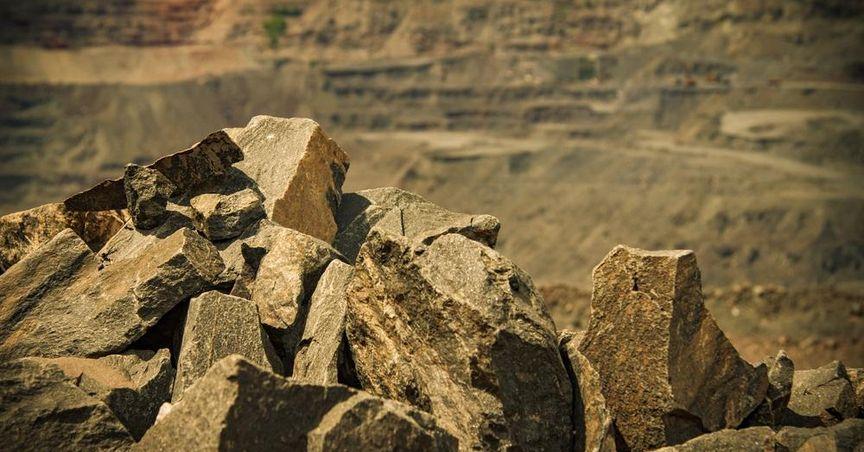
Iron ore markets are moving into a different phase as supply sources expand and steel consumption patterns evolve.
Diversified mining groups are increasingly balancing iron ore operations with exposure to copper, lithium and other commodities.
Operational efficiency, diversification and disciplined capital allocation remain central themes across major mining companies.
Explore how major iron ore producers are adapting through diversification, operational efficiency and evolving capital allocation priorities in a changing global mining environment.
The mining sector remains one of the most influential segments within Australian equity markets, with iron ore continuing to occupy a central position among major resource exports. Companies represented across the ASX 200 maintain substantial exposure to iron ore production, logistics infrastructure and global commodity markets. The sector has played a significant role in shaping Australia's resources landscape, supported by extensive operations, established export networks and long-standing relationships with international customers.
Major miners including BHP (ASX:BHP), Rio Tinto (ASX:RIO) and Fortescue (ASX:FMG) remain prominent participants in the iron ore industry. Their operations extend across mining, processing, transportation and export infrastructure, connecting Australian production with international steelmaking markets. While iron ore continues to contribute significantly to corporate earnings and export activity, broader industry developments are reshaping the environment in which these businesses operate.
For many years, iron ore occupied a distinctive position within global commodity markets. Strong construction activity, large-scale infrastructure programs and industrial expansion contributed to substantial demand for steelmaking materials. At the same time, supply dynamics and production concentration reinforced the importance of established mining regions such as the Pilbara.
The contemporary landscape reflects a more complex environment. Global supply channels are evolving, steel consumption patterns are changing and mining companies are increasingly expanding their commodity exposure beyond traditional iron ore operations. These developments are influencing strategic priorities across the sector.
Mining businesses continue to operate some of the world's most sophisticated industrial systems. Rail networks, port facilities, processing infrastructure and large-scale mining operations form integrated supply chains that support substantial export volumes. These capabilities remain critical regardless of broader commodity market developments.
The transition currently underway is less about the importance of iron ore and more about how mining companies position themselves within a changing global resources environment. Diversification, operational discipline and capital allocation have become increasingly important themes across the sector.
Understanding the Changing Iron Ore Landscape
Commodity sectors evolve through cycles influenced by supply, demand, industrial activity and broader economic conditions. Iron ore has experienced multiple phases throughout its history, with each period shaped by different market drivers.
During earlier phases of industrial expansion, steel production became closely linked to urban development, manufacturing activity and infrastructure construction. These trends supported substantial demand for iron ore and reinforced the strategic importance of major producing regions.
Australian producers benefited from high-quality ore deposits, established infrastructure and efficient export systems. Over time, these advantages contributed to the development of globally significant mining operations capable of supplying international markets at scale.
The environment now includes additional variables. New supply sources are emerging within the global market, while steel consumption patterns continue evolving. Changes in industrial activity, infrastructure priorities and manufacturing trends all contribute to shifting demand dynamics.
Mining companies have responded by placing increased emphasis on operational efficiency and productivity. Large-scale producers continue refining logistics networks, processing systems and resource development strategies to support competitiveness across varying market conditions.
Cost efficiency remains an important factor throughout the mining industry. Large producers often benefit from extensive infrastructure, integrated transport networks and established operational expertise developed over many years. These characteristics contribute to their position within global supply chains.
Resource quality also remains significant. Ore grade, processing requirements and logistical advantages influence operational outcomes and shape strategic planning across mining businesses.
The changing landscape has encouraged greater attention toward portfolio diversification. Rather than relying exclusively on a single commodity, several major resource companies now maintain exposure across multiple sectors including copper, lithium, energy-related minerals and other resources.
This broader commodity participation reflects an evolving industry structure. Mining companies increasingly operate as diversified resource businesses rather than entities focused exclusively on one commodity category.
Industry participants continue monitoring developments associated with international trade flows, steel production, infrastructure activity and supply expansion. These factors collectively influence the broader operating environment for iron ore producers.
Within the Australian market, iron ore remains closely connected to discussions surrounding resource exports, industrial demand and economic activity. Its significance continues even as the sector enters a different phase of development.
The Expanding Role of Diversified Mining Companies
Diversification has become an increasingly prominent feature of major mining organisations. While iron ore remains important, several resource companies have expanded their presence across additional commodity sectors.
BHP (ASX:BHP) and Rio Tinto (ASX:RIO) provide notable examples of this approach. Both organisations maintain substantial iron ore operations while also participating in commodities associated with electrification, industrial manufacturing and energy-related applications.
Copper has attracted particular attention because of its widespread use across infrastructure, electrical systems, transportation equipment and industrial applications. Mining companies with established copper operations maintain exposure to a commodity that serves multiple sectors throughout the global economy.
Lithium has similarly emerged as an important resource category. Increased attention toward battery technologies and energy storage applications has encouraged participation from diversified mining groups.
The strategic significance of diversification extends beyond commodity exposure alone. It also provides access to multiple revenue streams, operational opportunities and resource development pathways.
Large mining companies possess capabilities that support diversification initiatives. Geological expertise, project development experience, infrastructure management and global marketing networks can be applied across different commodities and regions.
Diversified mining organisations frequently operate extensive project portfolios. Exploration activities, resource development programs and operational assets may span multiple jurisdictions and commodity categories simultaneously.
This structure can influence how companies allocate capital and prioritise resource development. Decisions are often evaluated within the context of broader corporate portfolios rather than a single commodity focus.
Mining companies also continue investing in technology, automation and operational efficiency. These initiatives support productivity across both established operations and emerging resource projects.
Broader commodity participation reflects changes occurring throughout global resource markets. Industrial transformation, infrastructure requirements and technological developments continue creating demand across multiple resource categories.
Many market observers track diversified resource companies alongside benchmarks such as asx all ords to understand how mining businesses contribute to broader equity market activity.
The transition toward broader commodity participation illustrates how major miners are adapting to an evolving resource environment while maintaining their established iron ore foundations.
Operational Strength and Resource Efficiency
Operational efficiency remains one of the defining characteristics of major iron ore producers. Large-scale mining operations require coordination across extraction, processing, transportation and export infrastructure.
The Pilbara region continues serving as a cornerstone of Australia's iron ore industry. Extensive rail systems, export terminals and mining facilities connect production sites with international customers through highly integrated logistics networks.
These operations involve substantial planning, workforce coordination and technical expertise. Mining companies manage large volumes of material while maintaining safety standards, environmental responsibilities and operational reliability.
Infrastructure plays a particularly important role. Railways transport ore from mine sites to ports, while export facilities coordinate shipment schedules and international logistics. These systems contribute significantly to operational performance.
Resource development is another important consideration. Mining companies continuously evaluate ore bodies, processing requirements and infrastructure needs to support future operations. Such activities form a central component of ongoing business planning.
Operational efficiency often extends beyond production activities. Supply chain management, equipment utilisation and maintenance programs all contribute to overall performance.
Technology adoption has become increasingly prominent within the sector. Automation systems, digital monitoring tools and advanced operational platforms assist mining companies in managing complex industrial environments.
Environmental management remains another important aspect of modern mining operations. Companies continue implementing initiatives associated with water usage, land rehabilitation and operational sustainability.
Resource efficiency is closely linked to ore quality and processing requirements. High-quality deposits can contribute to operational advantages, while infrastructure integration supports efficient transportation and export activities.
The mining industry also remains connected to broader industrial themes including steel production, infrastructure development and manufacturing activity. These relationships reinforce the importance of iron ore within global supply chains.
Many investors examining resource sectors also monitor themes associated with ASX dividend stocks, commodity exports and industrial production because these areas frequently intersect with mining activity.
Operational excellence continues shaping the competitive position of major iron ore producers as the sector evolves through changing market conditions.
Capital Allocation and Corporate Priorities
Capital allocation remains a critical element of resource company strategy. Mining businesses frequently manage large asset portfolios requiring ongoing investment across operations, infrastructure and development projects.
Major miners allocate resources across exploration, mine development, processing facilities, transport systems and technology initiatives. These decisions influence operational capabilities and future project pipelines.
The scale of modern mining operations means capital allocation often involves balancing multiple priorities simultaneously. Existing operations require maintenance and optimisation, while emerging opportunities may demand investment in new projects or commodities.
Diversified resource companies frequently evaluate opportunities across different commodity categories. Copper, lithium and other minerals compete for attention alongside traditional iron ore investments.
Infrastructure development also remains an important consideration. Ports, railways, processing facilities and energy systems require ongoing support to maintain operational effectiveness.
Corporate priorities increasingly include technological innovation. Automation, digital systems and advanced analytics are becoming integrated into mining operations, contributing to productivity and operational management.
Mining companies also maintain responsibilities associated with workforce development, community engagement and environmental stewardship. These areas form part of broader corporate planning and resource allocation frameworks.
The relationship between capital allocation and diversification has become increasingly significant. As companies expand into additional commodities, investment decisions reflect broader strategic objectives rather than a singular focus on iron ore.
Industry participants continue monitoring developments across global commodity markets, trade flows and industrial activity. These factors influence planning decisions and resource allocation priorities throughout the mining sector.
Broader market participation by resource companies is often assessed alongside benchmarks such as ASX 100 and ASX 300, reflecting the significance of mining within Australia's corporate landscape.
The evolution of capital allocation priorities demonstrates how mining organisations continue adapting to a changing resource environment while maintaining established operational foundations.
Iron Ore's Continuing Place Within Global Resource Markets
Iron ore remains one of the world's most important industrial commodities. Steel production continues supporting infrastructure development, manufacturing activity, transportation systems and construction projects across numerous regions.
The commodity's significance extends beyond mining operations themselves. Railways, ports, processing facilities and export networks collectively support the movement of iron ore from production sites to international customers.
BHP (ASX:BHP), Rio Tinto (ASX:RIO) and Fortescue (ASX:FMG) continue operating some of the largest iron ore systems globally. Their activities contribute to Australia's position within international resource markets and support extensive industrial supply chains.
The broader mining sector continues evolving alongside changing economic and industrial priorities. Commodity diversification, operational efficiency and resource development remain prominent themes shaping corporate strategies.
Iron ore's role within this landscape remains substantial. Steelmaking materials continue supporting construction, infrastructure and manufacturing activity throughout the global economy.
Industry developments associated with supply expansion, resource diversification and technological advancement are contributing to a new chapter for the sector. These changes reflect the dynamic nature of commodity markets and resource industries.
Mining companies continue balancing established operations with emerging opportunities across multiple resource categories. This approach highlights the increasing complexity of modern resource businesses.
Many market participants also track mining themes alongside asx all ords and ASX dividend stocks because resource companies remain influential contributors to broader market activity.
The mining sector continues connecting Australian resource production with international industrial demand through extensive infrastructure networks, operational expertise and established export capabilities. Iron ore remains a central component of that relationship, even as the industry adapts to evolving global conditions.
