
 AUS
AUS
 NZ
NZ
 UK
UK
 CA
CA
 USA
USA
 IND
IND

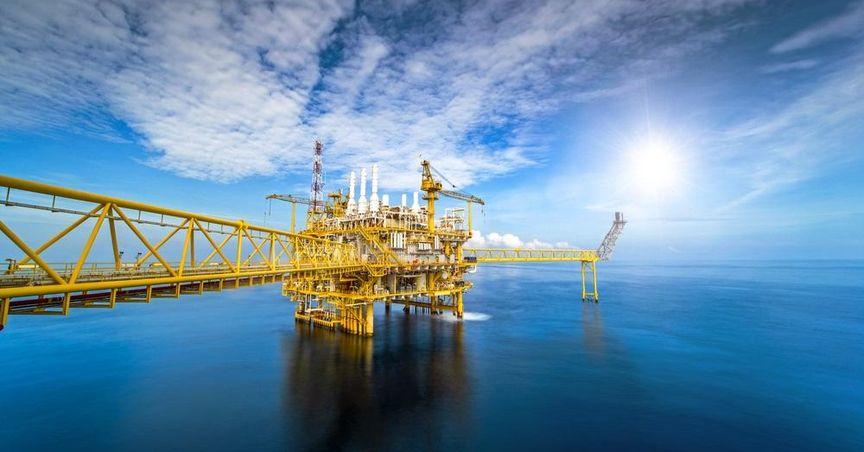



Highlights
Oil and gas companies are being discussed within a cautious UK market environment shaped by uneven sector activity and selective sentiment.
Relevant London-listed names include BP (LSE:BP), Shell (LSE:SHEL), Harbour Energy (LSE:HBR) and Ithaca Energy (LSE:ITH).
The theme is driven by oil volatility, energy security considerations, cash return profiles and geopolitical developments.
Oil and gas companies are receiving attention across UK markets as participants respond to shifting energy conditions, selective corporate updates and uneven sentiment across sectors. The broader environment continues to reflect a cautious tone, with attention divided between energy-linked movements, macroeconomic signals and company-specific developments. Within this setting, oil and gas businesses are being assessed through global supply dynamics, demand trends and operational performance rather than broad directional market behaviour.
Why Are Oil and Gas Companies In Focus Across UK Equities?
Oil and gas companies remain part of wider UK equity discussions due to their strong link with global energy conditions and industrial demand patterns. The FTSE 100 provides a reference point for large energy-linked businesses where global pricing and supply conditions influence sentiment. Within this structure, oil and gas companies are viewed through supply-demand balance, production levels and international energy flow dynamics that shape revenue visibility across the sector.
What Drives Activity Across Oil and Gas Businesses?
Activity across oil and gas companies is shaped primarily by commodity-linked movements and operational updates. Production figures, cost structures, exploration outcomes and supply-side adjustments often influence attention at the company level. The sector tends to show differentiated behaviour across individual firms, with each business responding to its own operational footprint, geographic exposure and asset base.
Which Companies Represent The Oil And Gas Theme?
Several London-listed companies are commonly associated with oil and gas activity, including BP (LSE:BP), Shell (LSE:SHEL), Harbour Energy (LSE:HBR) and Ithaca Energy (LSE:ITH). These companies operate across integrated energy production, offshore development and global supply chains. Their presence reflects the scale and diversity of the UK-listed energy sector and its exposure to global energy cycles.
How Does Global Energy Demand Influence The Sector?
Global energy demand plays a central role in shaping attention toward oil and gas companies. Industrial activity, transportation demand and regional consumption patterns influence pricing dynamics and supply requirements. These factors interact with geopolitical developments and supply chain conditions, creating a complex environment that affects sector behaviour across multiple regions.
What Role Does FTSE 100 Play In Sector Visibility?
The FTSE 100 serves as a benchmark for large UK-listed companies, including major energy groups. It provides a structural view of how oil and gas companies sit within the broader equity landscape. Movements within this index often reflect shifts in global energy conditions, commodity cycles and company-specific developments across leading energy businesses.
Why Do Energy Price Movements Matter For Oil And Gas Companies?
Energy price movements are central to how oil and gas companies are assessed across UK markets. Changes in crude pricing, refining spreads and global supply conditions influence revenue patterns. These factors interact with production levels and operational efficiency, shaping how each company performs within its respective segment of the energy market.
How Does The Sector Fit Within UK Market Structure?
The oil and gas sector forms part of the broader UK equity structure that includes energy, industrial materials and global commodity-linked companies. The sector operates within an international framework influenced by geopolitical developments, global demand cycles and supply chain conditions that affect energy flow across regions.
What Shapes Company-Level Differences?
Company-level differences are shaped by production mix, geographic exposure, cost base and asset structure. Integrated energy groups operate differently from exploration-focused companies, leading to varied responses to commodity movements and operational developments. This creates a segmented environment where individual company characteristics play a central role in performance patterns.
How Does Sector Behaviour Reflect Broader Market Conditions?
Sector behaviour often reflects broader market conditions through uneven activity across commodities and energy-linked assets. While some periods reflect stability in energy pricing, others show increased volatility depending on global supply conditions and demand trends. Oil and gas companies operate within this shifting environment, responding to both macro and operational developments.
