
 AUS
AUS
 NZ
NZ
 UK
UK
 CA
CA
 USA
USA
 IND
IND






Highlights
- Pilbara iron ore operations remain among the world's lowest-cost and most efficient mining systems.
- Decades of investment in rail, ports and automation have created a powerful infrastructure moat.
- Ore quality is becoming a critical advantage as global steelmakers prioritise efficiency and lower emissions.
The Pilbara's combination of low costs, integrated infrastructure, automation and ore quality continues to underpin Australia's iron ore leadership and supports the long-term strength of major mining companies.
Australia's mining sector has weathered countless commodity cycles, yet one competitive advantage continues to stand out above all others: the Pilbara's unmatched iron ore machine. For many companies within the ASX 200, iron ore remains a cornerstone of earnings, dividends and long-term capital allocation. Industry leaders such as BHP Group (ASX:BHP) have built globally significant operations that continue to generate substantial cash flow even when iron ore markets face pressure. Understanding why the Pilbara remains so dominant offers valuable insight into the foundations of Australia's resources sector and broader share market.
The Mining Engine Behind Australia's Success
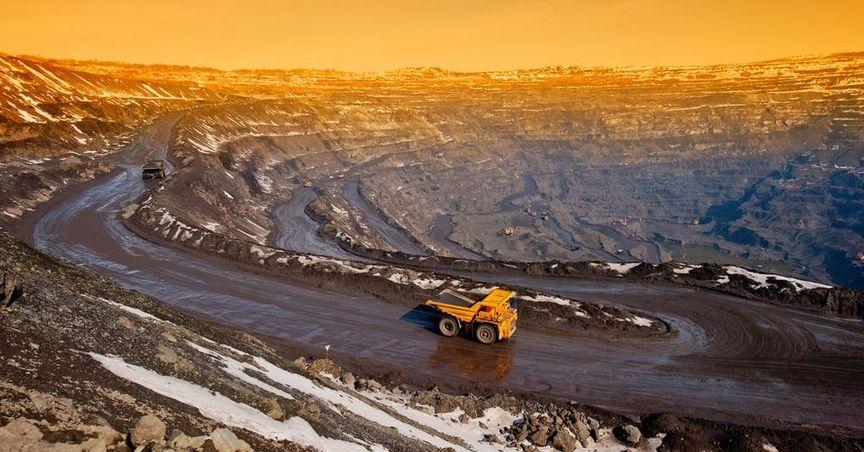
The Pilbara is far more than a collection of mines scattered across Western Australia. It operates as an interconnected industrial ecosystem where vast open-cut mines, automated rail networks and export terminals work together with remarkable efficiency.
Over many decades, mining companies have invested heavily in creating integrated supply chains capable of moving enormous volumes of iron ore from mine sites to international customers. This scale has transformed the region into one of the most productive resource hubs in the world.
The success of many leading ASX Metal & Mining Stocks is closely tied to the strength of these Pilbara assets. Their ability to consistently produce and export iron ore at low cost has helped establish Australia as a major supplier to global steelmaking industries.
Why Cost Curves Matter More Than Headlines
Survival Is Decided by Costs
Commodity markets often attract attention when prices rise sharply or fall suddenly. However, the long-term winners are usually determined by production costs rather than short-term market sentiment.
When iron ore prices weaken, producers with higher operating expenses typically experience the greatest pressure. Margins narrow, profitability declines and some operations may struggle to remain viable.
Pilbara producers occupy the lower end of the global cost curve. This means they can continue generating earnings even during periods when many international competitors face significant challenges.
Rather than focusing solely on price fluctuations, market participants often assess where a producer sits on the global cost curve. Companies with sustainable cost advantages generally possess greater resilience throughout commodity cycles.
Margin Compression Versus Business Viability
One of the most misunderstood aspects of iron ore markets is the difference between lower margins and operational risk.
For Pilbara operators, softer iron ore markets generally affect profitability rather than survival. Earnings may moderate, but integrated infrastructure and efficient operations allow these businesses to continue producing competitively.
This distinction helps explain why major Australian miners have repeatedly navigated periods of market volatility while maintaining their importance within the Australian resources landscape.
The Infrastructure Moat Few Can Match
Decades in the Making
The Pilbara's greatest strength may not be its iron ore deposits alone. The region's extensive infrastructure network represents a significant competitive barrier that would be extremely difficult to replicate today.
Private heavy-haul railways stretch across vast distances, linking mining operations directly to export facilities. Dedicated ports handle enormous shipment volumes, while supporting systems provide power, water and logistics coordination.
Building a similar network would require extraordinary financial resources, lengthy approval processes and years of construction. Even high-quality deposits elsewhere face substantial challenges when attempting to compete with this established ecosystem.
Technology Keeps Expanding the Lead
Innovation continues to strengthen the Pilbara advantage.
Automation has become increasingly embedded throughout mining operations, from autonomous haul trucks to driverless rail systems and sophisticated remote operations centres.
These technologies improve productivity, enhance safety outcomes and contribute to lower operating costs. Importantly, they also help operators continually refine efficiency rather than relying solely on favourable commodity prices.
As digital systems become more advanced, the gap between established Pilbara operators and emerging competitors may become even harder to close.
The Rise of Ore Quality as a Competitive Advantage
Grade Is Gaining Importance
Cost leadership remains critical, but iron ore quality is increasingly influencing market outcomes.
Steel producers are under growing pressure to improve efficiency and reduce emissions intensity. Higher-grade iron ore can assist these objectives by enabling more efficient steelmaking processes.
As a result, premium-grade products often attract stronger demand, while lower-grade material can experience discounts during periods of abundant supply.
This shift has elevated ore quality from a secondary consideration to a major competitive differentiator within the industry.
A More Segmented Market Emerges
Fortescue (ASX:FMG), one of Australia's major iron ore exporters, has historically operated with products that differ from benchmark grades. While scale and efficiency remain strengths, market pricing increasingly reflects quality distinctions across various products.
At the same time, emerging international developments featuring higher-grade resources have the potential to reinforce the separation between premium and discount segments of the iron ore market.
For resource companies, combining low production costs with desirable ore quality is becoming an increasingly valuable formula.
New Supply Faces a Long Road
Quality Deposits Alone Are Not Enough
The discovery of a world-class ore body does not automatically create a successful mining operation.
Projects require transport infrastructure, export capacity, regulatory approvals and operational expertise before reaching meaningful production levels. These factors often extend development timelines significantly.
Large-scale international projects frequently demonstrate how challenging it can be to convert geological potential into commercial reality.
The Pilbara's established infrastructure base provides a substantial head start that cannot easily be replicated through resource quality alone.
Scale Creates Additional Advantages
Established producers benefit from decades of operational experience, supplier relationships and workforce development.
Their scale supports procurement efficiencies, maintenance capabilities and technological investment that may be difficult for newer entrants to match.
This combination of infrastructure, experience and operational scale reinforces the region's position as a globally competitive iron ore hub.
How Iron Ore Funds Future Growth
One reason the Pilbara remains so important is that its cash generation extends beyond iron ore itself.
Rio Tinto (ASX:RIO), a globally diversified mining company, has used earnings generated from its iron ore operations to support investments across multiple commodities. Similar strategies are visible throughout the sector as companies seek exposure to future-facing resources.
Strong iron ore operations provide financial flexibility that can support expansion into areas such as copper, lithium and other commodities linked to evolving industrial demand.
This dynamic helps explain why iron ore remains central to Australia's resources story even as new sectors attract increasing attention.
Why the Pilbara Advantage Still Matters
The Pilbara's success rests on several interconnected strengths: world-class resources, efficient operations, extensive infrastructure and ongoing technological innovation.
While commodity markets will continue to experience periods of volatility, the underlying economics of the region remain difficult to challenge. Producers operating within this ecosystem possess advantages that have been built over generations and refined through continuous investment.
For Australia's mining sector, the Pilbara is not simply a source of iron ore. It is a globally significant industrial system that continues to shape earnings, capital allocation and the future direction of the nation's largest resource companies.
