
 AUS
AUS
 NZ
NZ
 UK
UK
 CA
CA
 USA
USA
 IND
IND






Highlights
China’s steel-intensive growth phase is maturing, reshaping the long-term outlook for iron ore demand.
India’s infrastructure expansion and broader Asian industrialisation are emerging as the next demand drivers.
Green steel technology is increasing the importance of higher-grade ore and accelerating industry transformation.
China’s iron ore boom is maturing, but new opportunities are emerging through India’s industrial growth, green steel technology and strategic diversification by Australia’s major mining companies.
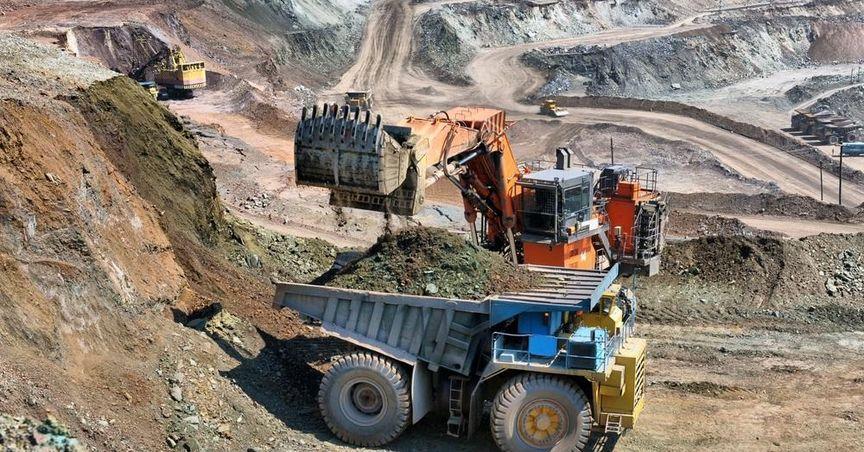
For more than two decades, iron ore was one of the defining themes of the Australian share market. The extraordinary rise of China’s cities, infrastructure networks and manufacturing sector created a demand surge unlike anything seen before, transforming Australia into one of the world’s most important iron ore suppliers. Companies such as BHP Group (ASX:BHP) became central beneficiaries of that era, generating substantial cash flows that helped shape the performance of the ASX 200. Today, however, the story is evolving. China remains critical, but the forces that powered the historic boom are changing, prompting a fresh chapter for Australia's leading iron ore producers and the broader ASX Metal & Mining Stocks sector.
The China Boom Is Maturing
The rise of China represented a once-in-a-generation economic transformation. Massive urbanisation, large-scale housing construction and extensive infrastructure projects created unprecedented steel demand, which in turn drove sustained iron ore consumption.
That phase is now entering a more mature stage. China’s property market continues to face structural challenges, while economic priorities increasingly focus on advanced manufacturing, technology, energy security and domestic consumption. These areas remain important for steel demand but do not require the same intensity of iron ore consumption that characterised the earlier construction boom.
At the same time, China has actively sought to diversify supply sources, reducing reliance on any single producer region. Elevated port inventories and more balanced market conditions suggest buyers have greater flexibility than during the peak years of the commodity supercycle.
Yet maturity should not be confused with decline. China remains the world’s largest steel producer and consumer, with replacement infrastructure, industrial manufacturing and power network upgrades continuing to support substantial iron ore demand. For Australian producers, the shift is less about disappearing demand and more about adjusting to a market where growth is slower and cash generation becomes increasingly important.
A New Demand Story Emerges
While no nation is likely to replicate China’s rapid industrial expansion, several economies are entering development phases that could support long-term steel consumption.
India stands out as the most significant example. Urbanisation, transport networks, manufacturing initiatives and large-scale infrastructure development continue to expand the country's steel requirements. The scale of these ambitions positions India as an increasingly influential participant in global commodity markets.
Across Southeast Asia, nations are also investing in roads, ports, industrial facilities and urban infrastructure. Collectively, these developments contribute to a broader and more diversified demand base for steel and iron ore.
The challenge for exporters is that India possesses considerable domestic iron ore resources. Policymakers have often prioritised domestic supply chains to support local industry, which limits the extent to which imports can replicate China’s historical appetite for seaborne ore.
As a result, the future demand profile is likely to be broader but less concentrated. Instead of relying heavily on a single economic powerhouse, iron ore producers may increasingly benefit from multiple growth centres spread across Asia.
Green Steel Is Rewriting Industry Priorities
Beyond geography, technological change may prove even more influential than shifting demand centres.
Steelmakers around the world are under growing pressure to reduce emissions. This transition is driving investment into lower-carbon steelmaking technologies, including hydrogen-based direct reduction processes and electric arc furnaces.
These technologies require different raw material characteristics. Higher-grade iron ore becomes increasingly valuable because it can improve efficiency and reduce emissions during steel production. As a result, ore quality is becoming a more important competitive advantage.
The widening premium between higher-grade and lower-grade products highlights how markets are already recognising this trend. Producers capable of supplying premium-grade feedstock may find themselves better positioned as steelmaking technology evolves.
For Australia, this transition also opens opportunities beyond raw material exports. Industry participants are exploring green iron processing and other value-added initiatives that could move more production activity onshore. Such developments would represent a significant shift in the country's traditional role within global steel supply chains.
How Australia’s Mining Giants Are Responding
The changing landscape is already influencing strategic decisions across the sector.
Rio Tinto (ASX:RIO), one of the world’s largest iron ore exporters, has expanded its exposure to minerals linked to electrification while maintaining its leadership position in Pilbara operations. The company’s strategy reflects a recognition that future growth opportunities may come from a broader range of commodities.
Similarly, BHP Group has increased its focus on copper, a commodity expected to play a critical role in electrification, renewable energy infrastructure and power transmission networks. Iron ore remains central to earnings, but diversification has become a key strategic theme.
Fortescue Ltd (ASX:FMG), long associated with iron ore exports from Western Australia, has pursued one of the industry's most ambitious transformations. Alongside its core mining operations, the company has directed significant attention toward renewable energy and green hydrogen initiatives.
Despite their different approaches, these companies share a common objective: using the cash flows generated by iron ore today to support future growth opportunities.
Why Quality Matters More Than Volume
The next phase of the iron ore industry may place less emphasis on sheer production volumes and greater focus on operational quality.
Low-cost operations, reliable logistics networks and higher-grade ore deposits are increasingly important competitive advantages. Australian producers have historically excelled in these areas, particularly in the Pilbara region, where scale and infrastructure provide significant efficiencies.
As global steelmaking becomes more environmentally conscious, these strengths could become even more valuable. Producers that combine operational efficiency with premium-quality products may be better positioned to navigate changing customer preferences.
This dynamic also reinforces the importance of capital discipline. In a world where demand growth is more measured, successful resource companies may be defined not only by what they produce but also by how effectively they allocate capital generated from existing operations.
Iron Ore Becomes an Income Story
One of the most significant changes for market participants is how iron ore assets may be viewed.
During the height of the China boom, many mining companies were associated with rapid earnings expansion and strong commodity-driven growth. Today, the focus is increasingly shifting toward resilient cash generation and shareholder returns.
This evolution places greater attention on companies capable of maintaining strong balance sheets, efficient operations and sustainable distributions. The sector’s ability to generate substantial free cash flow remains a defining characteristic even as growth moderates.
For those following ASX Dividend Stocks, iron ore producers continue to occupy an important position because of the significant cash flows generated during commodity cycles. The difference is that future value creation may rely as much on strategic reinvestment as on the underlying iron ore market itself.
A More Balanced Future for Iron Ore
The end of China’s extraordinary growth era does not signal the end of iron ore’s importance. Instead, it marks the beginning of a more diversified and technologically driven chapter.
India’s industrial expansion, Southeast Asia’s infrastructure development and the emergence of green steel technologies are reshaping demand patterns across the global market. At the same time, Australia’s largest miners are adapting by improving product quality, investing in future-facing commodities and exploring new opportunities within lower-carbon supply chains.
Iron ore may no longer be defined by a single dominant growth engine, but its role within the global economy remains substantial. For Australia’s mining sector, the next chapter appears less about explosive expansion and more about resilience, adaptation and long-term value creation.
