
 AUS
AUS
 NZ
NZ
 UK
UK
 CA
CA
 USA
USA
 IND
IND





Highlights
- BHP Group posted a fresh annual trading high during a recent session, supported by active dealing and steady demand for diversified resources exposure
- Recent research notes from multiple research houses included rating changes and refreshed viewpoints, reflecting mixed sentiment across coverage
- Several large asset managers and hedge funds reported position changes, highlighting ongoing portfolio activity around the name
BHP Group operates within the metals and mining sector, a part of the broader natural resources space that supplies essential inputs for manufacturing, construction, and energy systems.
BHP Group (NYSE:BHP) operates in the metals and mining sector, where sector performance often reflects changes in industrial activity, steelmaking demand, and the pace of electrification, with copper and iron ore frequently used as reference commodities for global materials markets; broader market context is also commonly tracked through the Nyse Composite.
As an Anglo-Australian resources producer, BHP maintains a diversified commodity mix that includes iron ore, copper, metallurgical coal, thermal coal, nickel, and other minerals. This blend links the company to multiple end markets, from steel supply chains to power generation and industrial processing, creating exposure to a wide set of macro drivers rather than a single demand stream.
What Sparked The Fresh High?
During the noted session, BHP shares pushed to a new annual high and later eased from the intraday peak while remaining above the prior close. The move reflected a firm tone in market activity around diversified miners, where shifts in commodity sentiment can translate quickly into share momentum.
The broader backdrop included heightened attention on copper, given its role in electrification buildouts and grid upgrades. When copper markets strengthen, diversified producers with meaningful copper exposure often draw increased attention, especially when combined with stable operational footprints in iron ore and other bulk commodities.
How Do Moving Averages Read?
Market participants often track trend indicators such as short-term and longer-term moving averages to describe direction and momentum. In this context, BHP (NYSE:BHP) raded above widely followed trend measures, aligning with a firmer tone in recent trading activity. Broader market context can be referenced through the nyse composite index, which is sometimes used to frame overall market participation and sentiment.
Trend indicators do not describe business fundamentals on their own, but they are frequently used to characterise how persistent buying interest has been over time. When shares remain above widely followed trend lines, it can coincide with greater visibility and higher engagement from market participants focused on technical positioning.
What Does The Balance Sheet Show?
BHP reports leverage and liquidity measures that help describe balance sheet posture and near-term flexibility. Commonly reviewed items include the relationship between debt and equity, as well as current and quick ratios that compare liquid resources with short-term obligations.
These measures are typically interpreted alongside capital intensity, commodity cycles, and the funding needs of large-scale mining operations. For a diversified miner, liquidity and leverage context matter because development schedules, sustaining capital, and commodity volatility can all influence how financial capacity is managed through different phases of the cycle.
Who Changed Large Positions Recently?
Recent regulatory disclosures indicated that several large asset managers and hedge funds adjusted their positions in BHP. Reported changes included modest increases by some global managers, alongside more substantial additions by others, signalling active portfolio rebalancing around the name.
Such position changes can reflect many factors, including mandate constraints, benchmark alignment, sector rotation, and risk budgeting. Because BHP is widely followed and heavily traded, changes by large holders can occur alongside broader market shifts rather than pointing to a single driving narrative.
What Did Research Notes Indicate?
BHP (NYSE:BHP) has recently appeared in multiple research notes that included rating changes and reiterated views, illustrating a mixed stance across coverage. Some commentary turned more favourable, while other notes maintained a more cautious framing, producing an overall blended tone across the set of published viewpoints.
Across coverage, discussion typically centres on commodity exposure, operating discipline, cost performance, and demand conditions tied to steelmaking and electrification. Even when near-term sentiment improves, coverage can remain varied because different frameworks emphasise different commodities, time horizons, and valuation anchors.
How Broad Is Commodity Exposure?
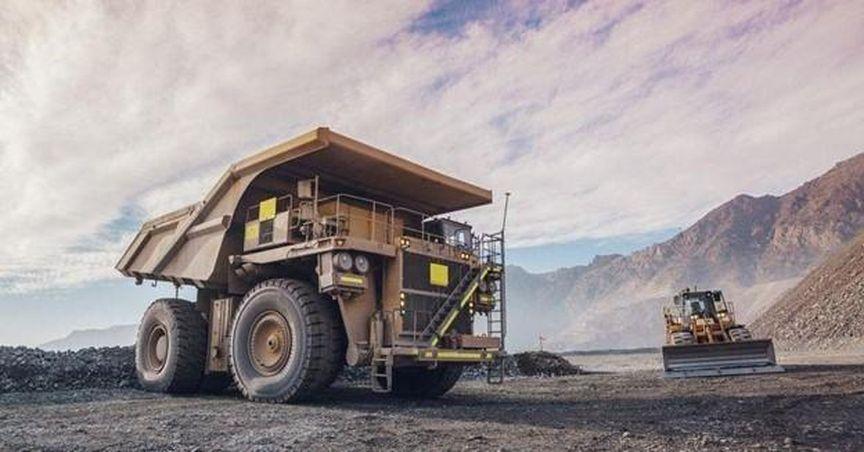
BHP’s core activities span exploration, development, production, and marketing across multiple commodities. Iron ore remains central to steelmaking supply chains, while copper is widely used in electrical systems and industrial applications, making both key components of the company’s diversified footprint.
Metallurgical coal supports blast-furnace steel production, thermal coal supplies power generation in certain regions, and nickel feeds into industrial alloys and select battery chemistries. This range of products links BHP to both traditional industrial demand and evolving energy systems, while also introducing commodity-specific cycles that can diverge across markets.
How Does BHP Operate Globally?
BHP (NYSE:BHP) runs large-scale mining and processing assets and supplies raw materials into global trade flows. Operations are structured to move high-volume commodities efficiently from production sites to end markets, relying on established logistics, export infrastructure, and long-term operational planning.
Because the company’s product set is integrated into heavy industry, performance can be influenced by shifts in steel production rates, infrastructure spending, power demand, and industrial output across major economies. These factors help explain why the name is often discussed alongside broader market gauges such as the Nyse Composite, which can contextualise sector-wide sentiment during periods of stronger materials activity.
Within index context, the nyse composite index is sometimes used to track broad participation across listed names, including cyclicals. Periods of stronger cyclical engagement can coincide with higher visibility for diversified miners, especially when commodity narratives capture attention beyond the sector’s usual audience.
Daily market context can also be followed through references like nyse composite today, which provides a broad snapshot of trading tone. For BHP Group (NYSE:BHP), that broader tone can matter because diversified miners often trade with both commodity signals and overall risk appetite.
