
 AUS
AUS
 NZ
NZ
 UK
UK
 CA
CA
 USA
USA
 IND
IND







Highlights
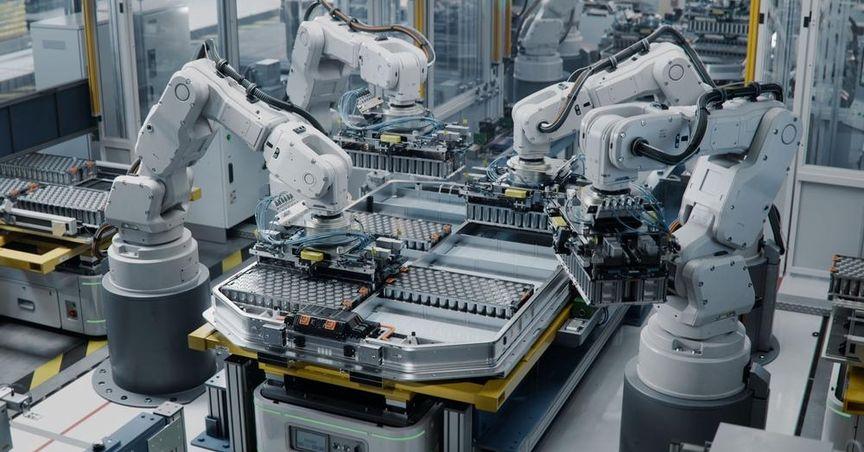
- Rockwell Automation supports global manufacturing through integrated automation platforms
- Business operations span hardware, software, and industrial digital services
- Company activity is often viewed alongside broad references such as s&p 500 etf
Rockwell Automation Inc. (NYSE:ROK) stands as a long-established industrial automation company delivering control systems, software platforms, and digital services to manufacturers worldwide. Headquartered in Milwaukee, Wisconsin, the organization traces its operational heritage to the Allen-Bradley and Rockwell automation businesses. Within public market discussion, large industrial technology firms such as Rockwell Automation are often framed in relation to wider equity like s&p 500 etf, which serves as contextual background rather than directional commentary.
How did Rockwell Automation originate?
Rockwell Automation developed from a legacy of electrical and control engineering enterprises that contributed to the modernization of manufacturing processes. Over time, the company consolidated expertise in programmable logic controllers, motor control products, and industrial software. In broader equity conversations, expressions such as s&p 500 futures commonly appear to provide a macro backdrop for companies whose roots align with long-term industrial development.
The organization’s evolution reflects shifts in manufacturing toward automation-driven efficiency. Its historical path illustrates how engineering innovation and industrial demand shaped the company’s present-day operational scope.
What defines its automation portfolio?
Rockwell Automation Inc. maintains a diversified automation portfolio covering discrete manufacturing, process industries, and hybrid production environments. Product lines include industrial control hardware, automation software, and lifecycle services designed to support plant operations. In general market framing, references such as s&p 500 fund are often used to situate diversified industrial firms within large-cap equity groupings.
The company’s offerings emphasize interoperability between hardware and software, allowing customers to integrate production data with operational control. This structure supports consistency across complex manufacturing systems.
Why digital transformation matters?
Digital transformation forms a central theme in Rockwell Automation’s business positioning. The company supports data connectivity, real-time monitoring, and advanced analytics across industrial operations. In equity market narratives, expressions like s&p 500 fund may be mentioned when discussing companies that bridge traditional manufacturing with modern digital frameworks.
By combining automation hardware with data-driven software, Rockwell Automation enables manufacturers to improve visibility and coordination across production assets. This integration highlights the growing convergence of industrial engineering and information technology.
How does industrial software support operations?
Industrial software solutions developed by Rockwell Automation focus on visualization, control, and information management within manufacturing environments. These tools allow operators to oversee production flows, manage assets, and analyze operational data. In broader financial discussion, such as s&p 500 index are sometimes used to contextualize the scale at which software-enabled industrial firms operate.
Software platforms serve as the connective layer between physical machinery and digital decision-making processes. This role underscores the importance of reliable, secure, and scalable industrial software ecosystems.
What role does global manufacturing play?
Rockwell Automation Inc. serves customers across automotive, food and beverage, life sciences, energy, and other industrial sectors. Its global presence supports manufacturers operating in diverse regulatory and operational environments. In market-level commentary, phrases like s&p 500 chart are often used illustratively when discussing how multinational industrial firms align with broader economic activity.
Global manufacturing demand shapes the company’s product development priorities. Adaptability across regions and industries reflects the breadth of Rockwell Automation’s operational reach.
How is financial structure communicated?
As a publicly traded entity on the New York Stock Exchange, Rockwell Automation provides standardized disclosures detailing liquidity, capital structure, and operational performance. These disclosures follow regulatory requirements applicable to industrial technology companies. In general equity narratives, such as s&p 500 companies appear to frame how financial transparency is expected from large-scale public corporations.
Financial communication focuses on clarity and consistency rather than interpretation. This approach allows observers to understand resource allocation across research, manufacturing support, and global service networks.
Why industrial services remain important?
Beyond products, Rockwell Automation offers lifecycle services including system integration, maintenance support, and training programs. These services help manufacturers deploy and sustain automation systems effectively. In wider market framing, expressions like s&p 500 index fund may be used when discussing companies that generate value through long-term customer relationships.
Service offerings reinforce the company’s role as a solutions provider rather than solely a hardware manufacturer. This emphasis reflects the complexity of modern industrial automation environments.
What defines Rockwell Automation presence?
Rockwell Automation Inc. maintains a prominent presence within the industrial automation sector through its integrated approach to control systems and digital services. Its positioning reflects decades of engineering development and adaptation to evolving manufacturing needs. In adjacent market commentary, mentions of s&p futures may surface to describe general equity sentiment rather than company-specific developments.
The company’s continued role within industrial ecosystems highlights its contribution to automated production, operational efficiency, and data-enabled manufacturing across global markets.
