
 AUS
AUS
 NZ
NZ
 UK
UK
 CA
CA
 USA
USA
 IND
IND







Highlights
- Rail transportation company operating a transcontinental freight network across North America
- Trading activity recently increased, drawing attention within the transportation sector
- Freight services connect ports, industrial regions, and inland distribution markets
Canadian National Railway rail network, freight transportation services, and commodity logistics explained alongside sector developments influencing transportation companies connected with the broader NYSE Composite market.
The transportation sector includes companies responsible for moving goods across large geographic regions through railways, shipping routes, and trucking networks. Among these organizations is Canadian National Railway, a freight railway company operating an extensive rail network that spans Canada and the United States. Activity surrounding Canadian National Railway has recently attracted market attention following elevated trading volume during a recent session. Developments connected with the company have also appeared in discussions surrounding the NYSE Composite, which includes many transportation and industrial companies listed on the exchange.
Rail Network Across North America
Canadian National Railway (NYSE:CNI) operates a transcontinental rail system connecting coastal ports with inland manufacturing regions and distribution hubs. The network spans large geographic areas across Canada and extends into the central regions of the United States, enabling long distance freight transportation across major economic corridors.
Rail infrastructure operated by the company links seaports, agricultural regions, and industrial centers. These connections enable movement of commodities that support supply chains across North America. Freight railways form a central part of the logistics framework by transporting large volumes of goods across long distances with consistent scheduling.
The company’s rail lines connect major ports along the Pacific, Atlantic, and Gulf regions with inland markets. These routes allow exporters and importers to transport goods efficiently between shipping terminals and manufacturing facilities. The rail network also links cross border trade corridors that connect Canadian and American markets.
Freight Transportation and Commodity Movement
Freight services represent the core operational activity within the railway network. Canadian National Railway (NYSE:CNI) transports a wide range of commodities through specialized rail equipment designed for different cargo categories.
Agricultural commodities form an important segment of freight transportation. Grain shipments and other farm products travel from agricultural regions to export terminals located near coastal ports. Rail transport allows large quantities of agricultural products to move across long distances in an efficient manner.
Industrial and manufacturing goods also represent a major component of freight movement. Metals, construction materials, and energy related products frequently move along rail corridors connecting mines, refineries, and manufacturing plants.
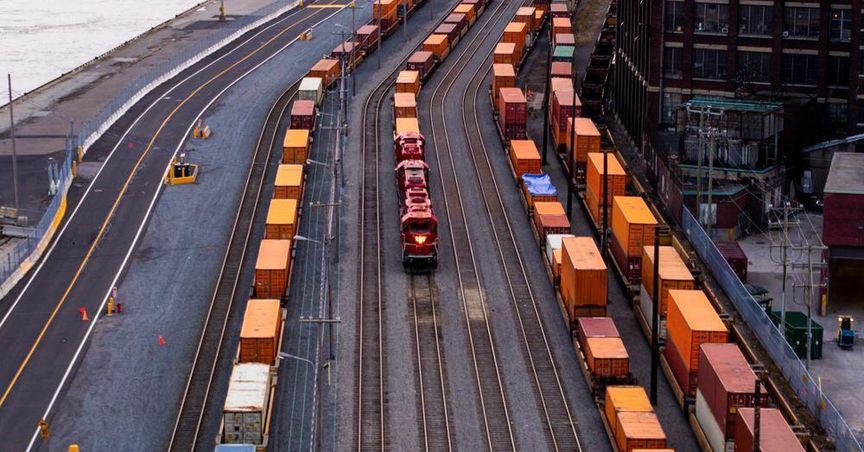
Intermodal transportation forms another significant area of activity. This segment involves the movement of shipping containers that can transfer between ships, trains, and trucks without unloading the cargo itself. Intermodal containers travel along rail lines connecting port terminals with inland distribution centers.
Railways play a key role in automotive supply chains as well. Vehicle manufacturing plants rely on specialized rail cars designed for transporting finished vehicles across long distances between factories and regional distribution facilities.
Market Activity and Trading Developments
Recent trading sessions involving Canadian National Railway drew attention due to unusually active market participation. Elevated trading activity occurred during a session when market participants engaged in a higher volume of share transactions compared with typical sessions.
Market movement often reflects broader developments affecting the transportation sector. Freight rail companies operate within supply chains influenced by industrial production, commodity flows, and international trade patterns.
Discussions surrounding these developments frequently appear within commentary connected to the nyse composite index, where transportation companies represent an important segment of the broader market landscape.
Rail transportation companies play a role in supporting cross border commerce and long distance logistics operations. Demand for rail freight services can fluctuate based on agricultural production cycles, industrial manufacturing activity, and commodity transportation patterns.
Operational performance within the railway sector can also depend on infrastructure efficiency, scheduling coordination, and equipment availability. Railway networks require continuous maintenance of tracks, locomotives, and rail cars to maintain consistent operations across large geographic territories.
Infrastructure and Logistics Integration
Rail networks operated by large freight companies form part of an integrated transportation system that includes ports, trucking companies, and distribution centers. Canadian National Railway (NYSE:CNI) coordinates with these logistics partners to support the movement of goods between multiple transportation modes.
Ports located along major coastlines serve as gateways for international trade. Goods arriving by cargo ship transfer to rail networks for inland distribution. Similarly, commodities produced inland can travel by rail to export terminals where ships carry cargo to global markets.
Rail freight operations also connect with trucking companies responsible for final delivery to warehouses and retail centers. This combination of rail and road transportation allows goods to travel efficiently across long distances before reaching local destinations.
Maintenance facilities, rail yards, and dispatch centers support the operational infrastructure required for freight rail systems. Rail yards allow sorting of freight cars based on destination routes, while dispatch centers coordinate train movements across complex networks of tracks.
The railway sector continues to function as a foundational element of large scale logistics networks. Companies operating extensive rail infrastructure contribute to the transportation of commodities and manufactured goods across North America through coordinated freight operations.
