
 AUS
AUS
 NZ
NZ
 UK
UK
 CA
CA
 USA
USA
 IND
IND





Highlights
- Offshore energy services activity drew attention after a long-trend technical threshold was cleared during the session
- Business operations span well intervention work, subsea robotics support, and production-related service capability
- Recent company disclosures referenced executive share activity and broad institutional patterns
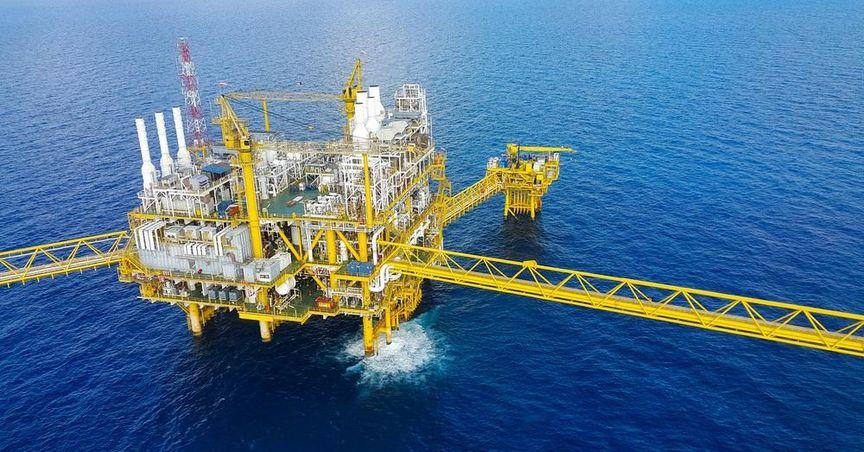
The offshore energy services sector blends marine operations, subsea engineering, and specialised robotics to support the ongoing use and maintenance of offshore oil and gas infrastructure. In that context.
Helix Energy Solutions Group (NYSE:HLX) drew notice during the session as trading moved above a widely followed long-term moving average, signalling a shift in how the market was interacting with the stock’s longer trend line during the day.
Which sector supports offshore work?
Offshore energy services sits alongside exploration and production as a critical support layer, supplying vessels, equipment, and specialist crews needed for complex subsea tasks. Projects often involve challenging sea conditions, strict safety requirements, and high equipment reliability standards, with work scheduled around weather windows and marine logistics.
Helix Energy Solutions Group is positioned within this offshore services space through offerings that focus on subsea well access, equipment deployment, and robotics-enabled work. This sector focus ties the company’s activity to offshore field maintenance cycles and the ongoing need to service established subsea assets rather than only new field development.
What happened during Tuesday trading?
During the session, shares moved above a long-term moving average that many market participants track as a broad gauge of trend direction. Intraday trading also reached a session high before settling back from peak levels by the time of the latest trade referenced in the provided details.
The move occurred alongside active trading volume, reflecting strong participation during the day. Rather than signalling any guaranteed outcome, a cross above a long-trend average is commonly treated as a descriptive market event showing that buyers and sellers were transacting at levels above that longer reference line during the session.
How do moving averages function?
Moving averages smooth daily price movement to help describe trend direction over time. A shorter moving average responds faster to recent movement, while a longer moving average responds more slowly and is often used as a broad trend marker rather than a short-term signal.
When a stock trades above its longer moving average, it indicates that recent trading has occurred at levels above the longer-term blended reference. For (NYSE:HLX), the session described in the source material centred on this type of crossover event, framed as a factual observation of where trading occurred relative to that long-term measure.
What do balance metrics indicate?
Liquidity and leverage measures are commonly used to describe how a company finances operations and meets obligations tied to normal business activity. In the provided material, Helix was described with moderate leverage and strong liquidity indicators, reflecting an ability to cover near-term obligations based on current assets relative to current liabilities.
Such figures are often presented to give context on financial structure rather than to imply any outcome. For offshore services providers, liquidity can matter due to mobilisation costs, vessel operating expenses, and the timing of customer payments linked to project milestones.
How is activity described?
Company filings may include executive share transactions, which are recorded as part of standard disclosure practice. The provided text referenced a transaction involving a senior operating executive selling shares, with the remaining share count after the transaction noted in that disclosure.
Also described through the presence of large funds and asset managers holding positions, reflecting broad participation across the market. In the provided material, the majority of shares were described as held by institutions, a detail often included to characterise the shareholder.
What services define Helix operations?
Helix is described as a Houston-based provider of offshore well intervention and robotics services for the global energy industry. Core work centres on extending the productive life of subsea wells through specialised intervention methods, including hydraulic workover capability, coiled tubing support, and riser-based wireline services.
Beyond direct well-focused operations, the company also provides remotely operated vehicle support and related inspection, maintenance, and repair services for subsea infrastructure. These offerings align with ongoing operational needs on offshore fields where subsea equipment requires monitoring, servicing, and occasional corrective work supported by marine assets and specialised tooling (NYSE:HLX).
How are business segments structured?
Operations are described as organised across core segments that cover well intervention, robotics and subsea services, and production facilities work. This structure reflects different but related categories of offshore activity, ranging from direct well access to equipment support and field-level service capability.
Purpose-built vessels and specialised equipment are central to delivering these services, supported by engineering expertise designed for complex offshore projects. For (NYSE:HLX), this segment framing helps describe how the company delivers work across different offshore scopes while relying on marine logistics and subsea execution capability.
What themes shape subsea projects?
Subsea work commonly includes inspection, intervention, and maintenance on equipment located far below the ocean surface. These activities often rely on robotics, specialised tooling, and detailed planning because conditions are harsh and direct human access is limited. Remotely operated vehicles are widely used to support these tasks, especially where diver access is restricted, enabling inspection campaigns, monitoring, and targeted maintenance on subsea infrastructure used by the offshore energy sector.
Well intervention projects often aim to restore or improve flow from existing wells without requiring full-scale drilling activity. By using specialised systems and vessel-based equipment, intervention work can address subsea well issues and support continued production from existing fields, which ties Helix’s service profile to ongoing offshore operations and asset life extension work (NYSE:HLX).
