
 AUS
AUS
 NZ
NZ
 UK
UK
 CA
CA
 USA
USA
 IND
IND







Highlights
- ConocoPhillips operates as a global upstream energy producer
- The company maintains a diversified portfolio across oil and gas assets
- Market participation aligns with broader S&P 500 Fund representation
ConocoPhillips (NYSE:COP) is a Houston-based international energy company engaged in the exploration and production of crude oil, natural gas, and natural gas liquids across a diverse global asset base. The organization operates as an independent upstream producer, focusing on resource development across both conventional and unconventional reservoirs. Its standing within major equity benchmarks reflects its scale and significance, with participation often associated with broader market indicators such as the S&P 500 Fund, which represents large-cap companies across multiple sectors. Through its expansive operational footprint, ConocoPhillips contributes to global energy supply chains while maintaining a structured approach to resource development.
Global Exploration And Production Footprint
ConocoPhillips maintains operations across multiple geographic regions, including North America, Europe, Asia, and other international energy-producing zones. The company’s portfolio includes onshore and offshore assets, covering a wide spectrum of hydrocarbon resources. These operations range from conventional oil fields to unconventional shale formations and offshore developments.
The company’s exploration activities focus on identifying new resource opportunities, while production operations ensure consistent output from established fields. This dual approach enables ConocoPhillips to maintain operational continuity across varying market conditions. Its global presence allows diversification of resource exposure, supporting resilience within the energy sector.
Through its extensive portfolio, the company contributes to energy supply systems that support industrial activity, transportation networks, and residential consumption across multiple regions.
Operational Structure And Asset Diversity
The organizational structure of ConocoPhillips centers on upstream activities, distinguishing it from integrated energy companies that also operate refining and distribution segments. This upstream focus allows the company to concentrate on resource extraction and development, supported by advanced geological and engineering capabilities.
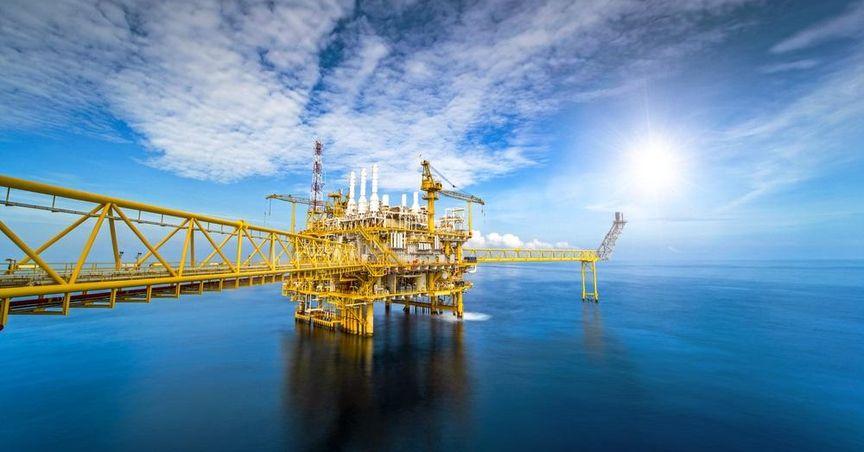
Asset diversity remains a defining feature of the company’s operations. Conventional oil fields provide steady production output, while unconventional resources such as shale formations offer scalability. Offshore projects further expand the company’s operational reach, introducing complex engineering solutions to extract hydrocarbons from deepwater environments.
By maintaining a balanced mix of asset types, ConocoPhillips manages production stability across varying geological conditions and resource categories.
Financial Metrics And Capital Structure
ConocoPhillips demonstrates a structured financial framework supported by liquidity and leverage indicators that reflect operational discipline. The company’s balance between debt and equity capital illustrates its approach to financing exploration and production activities. Liquidity ratios indicate the company’s ability to meet short-term obligations, while leverage metrics provide a perspective on capital utilization.
Market capitalization places the organization among the prominent energy producers within the global marketplace. Moving averages and valuation measures describe historical pricing patterns and market positioning without implying directional movement.
Operational margins reflect the company’s efficiency in managing extraction processes and associated costs. These financial indicators collectively provide a descriptive view of the company’s capital management practices within a resource-intensive industry.
Institutional Participation And Ownership Trends
Large capital managers maintain significant exposure to ConocoPhillips, reflecting its standing within the energy sector. Various asset management firms have adjusted positions over time, illustrating routine portfolio management practices. Institutional ownership concentration indicates broad participation from financial entities that allocate capital across major publicly traded companies.
Such participation aligns with companies that form part of widely followed benchmarks, where energy producers contribute to sector representation. Ownership structures often reflect long-term capital allocation strategies, emphasizing stability within diversified portfolios.
These trends underscore the company’s relevance within institutional frameworks that monitor and manage exposure to energy markets.
Industry Dynamics And Competitive Landscape
The global energy industry operates within a competitive environment shaped by resource availability, technological advancements, and geopolitical factors. ConocoPhillips competes with other exploration and production companies that operate across similar geographic regions and resource categories.
Technological developments in drilling techniques, reservoir management, and data analytics continue to influence industry practices. Companies involved in innovation to improve extraction efficiency and optimize resource utilization. ConocoPhillips incorporates advanced technologies to enhance operational performance across its asset base.
Industry competition also involves access to high-quality reserves and the ability to develop projects efficiently. The company’s diversified portfolio supports its position within this competitive landscape.
Technology Integration In Energy Production
Technological integration plays a central role in modern energy production. ConocoPhillips utilizes advanced seismic imaging, drilling technologies, and data analytics to identify and develop hydrocarbon resources. These technologies support accurate reservoir characterization and efficient extraction processes.
Digital tools enable real-time monitoring of production activities, allowing for optimization of operational performance. Automation and data-driven decision-making contribute to improved efficiency across drilling and production operations.
In broader market discussions, energy companies are sometimes referenced alongside indicators such as s&p 500 futures, which reflect expectations within large-cap equity markets. Such contextual mentions highlight the interconnected nature of sector performance and overall market sentiment.
The integration of technology into energy production continues to shape operational practices, enabling companies to adapt to evolving industry requirements.
Environmental Practices And Resource Management
Energy companies operate within an environment that increasingly emphasizes sustainability and responsible resource management. ConocoPhillips incorporates environmental considerations into its operational framework, focusing on efficiency and emission management within extraction processes.
Efforts to optimize resource utilization contribute to minimizing environmental impact while maintaining production output. The company’s approach includes monitoring emissions, improving energy efficiency, and implementing operational practices designed to reduce environmental footprint.
Regulatory frameworks governing environmental standards influence operational strategies across the energy sector. Compliance with these regulations ensures that production activities align with established guidelines while supporting long-term operational continuity.
Supply Chain And Global Distribution Networks
The company’s supply chain encompasses exploration, production, and distribution processes that connect resource extraction sites with global markets. Midstream infrastructure, including pipelines and processing facilities, supports the transportation of oil and natural gas from production areas to end markets.
Global distribution networks ensure that extracted resources reach refineries, industrial consumers, and energy markets across different regions. These networks play a critical role in maintaining energy supply continuity and supporting global economic activity.
ConocoPhillips (NYSE:COP) participation in international energy markets reflects its ability to manage logistics across diverse geographic environments, reinforcing its role within the global supply chain.
