
 AUS
AUS
 NZ
NZ
 UK
UK
 CA
CA
 USA
USA
 IND
IND







Highlights
- Nike continues expanding its sport-focused product portfolio across global markets.
- Digital commerce, wholesale partnerships, and retail stores remain central to business operations.
- Innovation in footwear, apparel, and athlete-focused products supports ongoing brand development.
Nike (NYSE:NKE) operates in the consumer discretionary sector as a global designer, marketer, and distributor of athletic footwear, apparel, equipment, and accessories. As a constituent of the S&P 500, the company maintains a significant presence across the global sportswear industry through an extensive retail network, digital platforms, wholesale partnerships, and licensed operations. Product innovation, global distribution, and brand development remain key elements of business activity across major international markets.
Global business operations
Founded in the United States, Nike develops products for a broad range of sports and everyday activities. Its portfolio includes running, basketball, football, training, golf, tennis, outdoor, skateboarding, and lifestyle categories. The company also owns complementary brands that extend its presence across additional consumer segments.
Operations span North America, Europe, Greater China, Asia Pacific, and Latin America. Products reach consumers through company-operated stores, digital commerce platforms, wholesale retailers, distributors, and licensed partners. This diversified distribution model allows the business to serve customers across numerous geographic markets.
Product innovation remains central
Research and development continue supporting footwear cushioning, performance materials, sustainability initiatives, and digital product experiences. Product launches frequently introduce updated technologies designed for athletes and recreational users across multiple sports categories.
Footwear remains the largest product category, complemented by apparel collections and sports equipment. Seasonal launches, collaborations, and sport-inspired collections contribute to a continuously evolving product lineup that addresses changing consumer preferences.
Innovation also extends into manufacturing techniques, recycled materials, and digital design processes intended to improve production efficiency while supporting environmental initiatives.
Retail and digital expansion
The company continues balancing direct-to-consumer operations with long-standing wholesale relationships. Company-owned retail stores showcase new collections while digital platforms provide online shopping, personalized recommendations, and membership services.
Digital applications support product launches, fitness engagement, training programs, and customer interaction. Mobile platforms have become increasingly important for introducing limited-edition footwear and exclusive apparel collections across global markets.
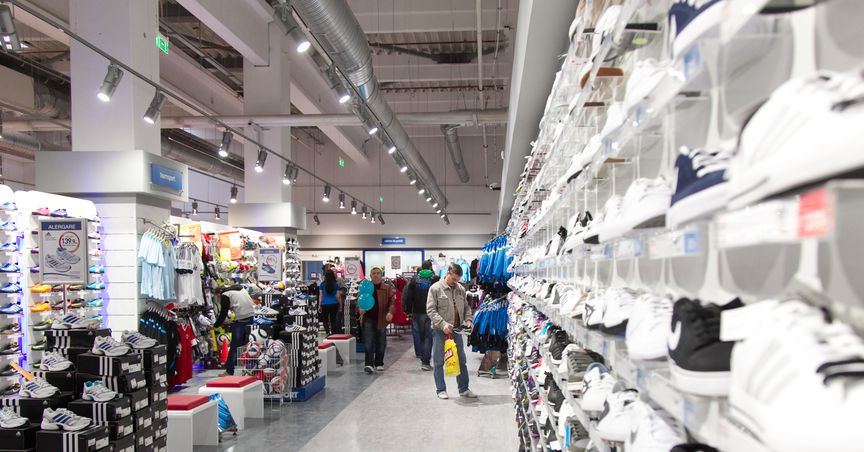
Physical stores remain an important channel for customer engagement, product demonstrations, and brand experiences. Flagship locations feature interactive retail concepts alongside traditional shopping environments.
Manufacturing and supply chain
Nike works with an international network of independent manufacturing partners located across Asia and other regions. These facilities produce footwear, apparel, and equipment according to company specifications and quality standards.
Global logistics coordinate transportation, warehousing, inventory management, and product distribution across numerous countries. Supply-chain operations continue adapting to evolving sourcing requirements, transportation conditions, and manufacturing capacity.
Material sourcing includes textiles, synthetic materials, leather, rubber, foam, and recycled components used throughout product manufacturing. Ongoing efforts focus on improving efficiency while supporting consistent product availability.
Industry trends
The athletic apparel industry continues evolving through digital commerce, wearable technology, sustainability initiatives, and changing consumer preferences. Performance footwear remains an important category alongside lifestyle products that combine athletic functionality with everyday fashion.
Competition remains active across footwear, apparel, and equipment markets as manufacturers introduce new technologies and product collections throughout the year. Innovation, product quality, and global brand recognition continue influencing competitive positioning within the broader Consumer Stocks category.
As one of the largest companies represented in the S&P 500, Nike participates in broader developments affecting retail activity, consumer spending patterns, manufacturing, and international trade.
Sustainability initiatives
Environmental programs include increased use of recycled materials, waste reduction initiatives, renewable energy adoption, and responsible manufacturing practices. Product development increasingly incorporates recycled polyester, recycled rubber, and environmentally conscious packaging materials.
Facility operations also focus on water conservation, emissions management, and energy efficiency. These initiatives form part of broader environmental programs implemented across manufacturing and operational activities.
Innovation within sustainable product design continues expanding across footwear and apparel collections while maintaining product performance standards.
Sports partnerships and brand presence
The company maintains partnerships across professional sports, collegiate athletics, international competitions, and community sporting events. Product sponsorships span football, basketball, athletics, tennis, golf, baseball, and numerous additional sports.
Brand visibility extends through major sporting competitions, retail campaigns, digital content, and community initiatives. These activities support recognition across multiple generations of consumers while reinforcing connections with competitive and recreational sports.
Product collaborations with designers, athletes, and cultural organisations also contribute to expanded product collections across lifestyle and performance categories.
Market presence and operational focus
Business activity continues emphasizing product development, digital commerce, retail modernization, and international expansion. Distribution networks support millions of consumers through physical stores and online platforms across multiple continents.
Technology increasingly supports inventory management, consumer engagement, digital commerce, and personalized shopping experiences. Data-driven retail systems also improve product availability and operational coordination throughout distribution networks.
Within the S&P 500, Nike remains one of the most recognized athletic brands globally through its extensive product portfolio, international distribution capabilities, manufacturing partnerships, and continued emphasis on footwear innovation, apparel development, digital commerce, and participation across the global sports industry.
