
 AUS
AUS
 NZ
NZ
 UK
UK
 CA
CA
 USA
USA
 IND
IND



_06_15_2026_08_31_29_563066.jpg)

Highlights
Majors balance current production against future transition.
Capital-allocation choices reveal their strategic stance.
The timing of the transition remains uncertain.
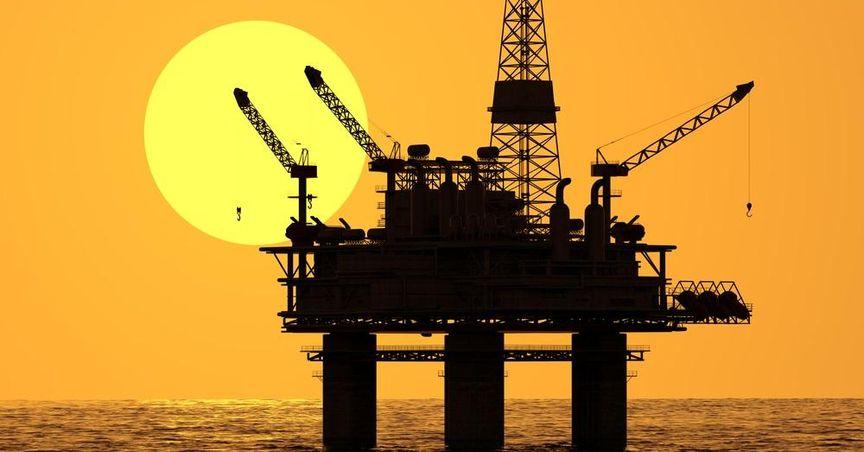
The UK's oil and gas majors face a defining strategic question. On one side is the present: substantial oil and gas operations that generate the cash funding their dividends, buybacks and investment. On the other is the future: a long-term shift toward lower-carbon energy whose pace and shape remain uncertain. How these companies balance today's barrels against tomorrow's transition is one of the most consequential challenges in the sector.
What Is The Balancing Act?
The balancing act involves deciding how to allocate capital between maintaining and growing existing oil and gas operations and investing in lower-carbon alternatives. Capital is finite, so every pound directed toward one purpose is a pound not available for another. The majors must weigh the cash generation of their traditional businesses against the need to position for a future in which demand patterns may change.
This is not a simple choice. Oil and gas generate the cash that funds shareholder returns and investment, so abandoning them too quickly could undermine the financial foundation of the business. Yet investing too little in the transition could leave a company poorly positioned for the future. The balance is genuinely difficult to strike.
How Are The Majors Approaching It?
Different companies have struck different balances. Shell (LSE:SHEL) has emphasised disciplined capital allocation, focusing on areas such as gas while maintaining strong shareholder returns. BP (LSE:BP.) has pursued its own strategic path, balancing oil and gas production with its broader strategy. Harbour Energy (LSE:HBR) represents a more focused production profile within the UK-listed sector.
These varying approaches reflect different views about the pace of the transition and the right way to position for it. Some lean more heavily into traditional production, betting that demand will persist, while the balance each strikes reveals its assessment of the road ahead. The market watches these choices closely.
Why Does Capital Allocation Reveal Strategy?
How a company allocates its capital is one of the clearest expressions of its strategy. A major that invests heavily in expanding oil and gas production signals confidence that demand will endure, while one that directs more capital toward lower-carbon alternatives signals a different view of the future. The balance between returning cash to shareholders and investing for growth adds a further dimension.
For the energy majors, these capital-allocation decisions are particularly revealing because they involve long-lived assets and significant sums. The choices made today shape the asset base for years to come, effectively placing bets on how the energy world will evolve. Following these decisions offers insight into each company's strategic stance.
Why Is Timing So Uncertain?
A central challenge is that the pace of the energy transition is uncertain. The shift toward cleaner energy is widely expected, but its timing and trajectory are difficult to predict, shaped by policy, technology and economics. This uncertainty makes the balancing act harder, since the majors must position for a future whose timing they cannot know with confidence.
This uncertainty is part of why the majors have generally favoured discipline, maintaining strong cash generation from existing operations while investing selectively. A flexible approach allows them to adapt as the transition unfolds, rather than committing too heavily to a particular timeline that may not materialise as expected.
What Are The Risks?
The balancing act carries risks on both sides. Investing too heavily in oil and gas could leave a company exposed if demand declines faster than expected, while investing too much in the transition too soon could undermine current cash generation if the shift is slower than anticipated. Commodity-price volatility adds further uncertainty to the returns from either path.
The broader message is that energy majors face a defining balancing act between today's production and tomorrow's transition. Their capital-allocation choices reveal how they view the uncertain energy future, and getting the balance right, amid volatile prices and unpredictable timing, is among the sector's central challenges.
Oil and gas stocks are shares in companies that explore for, produce and refine crude oil and natural gas. In the UK the largest are integrated majors among the heavyweight constituents of the FTSE 100, balancing current production against investment in a lower-carbon future.
