
 AUS
AUS
 NZ
NZ
 UK
UK
 CA
CA
 USA
USA
 IND
IND







Highlights
SSE reflects ongoing activity within the UK utilities and energy sector.
Electricity generation and network operations remain central to business model.
Broader market sentiment aligns with infrastructure and energy transition themes.
SSE reflects activity within the UK utilities sector, with energy infrastructure and renewable developments shaping market dynamics across FTSE-linked indices.
The utilities and energy infrastructure sector forms a core component of the UK equity market, particularly across indices such as the FTSE 100 and the FTSE 350. These indices include companies engaged in electricity generation, transmission networks, and renewable energy development. SSE plc (LSE:SSE) operates within this sector, focusing on power generation and energy infrastructure across the United Kingdom and international markets. Developments surrounding the company reflect broader activity within the utilities segment, where infrastructure investment and operational performance remain central themes.
Energy companies play a critical role in supporting economic activity by providing essential services such as electricity supply and grid management. Within the wider FTSE framework, utilities contribute to market stability due to their involvement in regulated and infrastructure-based operations. SSE’s activities align with these dynamics, reflecting its role within the energy landscape.
Energy Generation and Infrastructure Operations
SSE operates across multiple areas of the energy value chain, including electricity generation and network infrastructure. Its generation portfolio includes a mix of energy sources, with increasing emphasis on renewable technologies such as wind and hydroelectric power.
The company’s network operations involve the transmission and distribution of electricity, connecting generation assets to end users. These networks form a critical part of the UK’s energy system, ensuring reliable supply across regions.
Infrastructure development remains a key component of the utilities sector, with ongoing investment in grid capacity and renewable integration. SSE’s operations reflect these priorities, as the company continues to support the transition towards cleaner energy sources.
Within the context of the FTSE 100, energy companies play a significant role due to their scale and contribution to national infrastructure.
Market Perception and External Commentary
Market perception of utilities companies is influenced by their operational performance, regulatory environment, and role within the energy system. External commentary and institutional viewpoints contribute to the broader understanding of company positioning.
SSE’s activity reflects its established presence within the utilities sector, where it operates as a major provider of energy services. Developments related to the company are often viewed within the context of wider industry trends, including energy transition and infrastructure expansion.
Corporate communication and external perspectives form part of the overall environment in which companies operate. These elements contribute to the narrative surrounding utilities businesses, influencing how they are perceived within the market.
Within the Indexftse Ukx, companies across sectors experience similar dynamics, where external viewpoints and corporate disclosures shape overall sentiment.
Regulatory Environment and Energy Policy Framework
The utilities sector operates within a structured regulatory framework that governs pricing, infrastructure investment, and service delivery. Companies such as SSE must adhere to regulations designed to ensure reliable energy supply and fair market practices.
Regulatory bodies oversee the operation of energy networks, setting guidelines that influence how companies manage their assets and deliver services. These frameworks play a key role in shaping the operational environment for utilities.
Energy policy also influences sector dynamics, particularly in relation to renewable energy development and carbon reduction initiatives. SSE’s activities reflect alignment with these policy frameworks, as it engages in projects linked to sustainable energy.
Companies within the FTSE all share index often operate under similar regulatory conditions, reflecting the importance of compliance across industries.
Renewable Energy and Sector Transformation
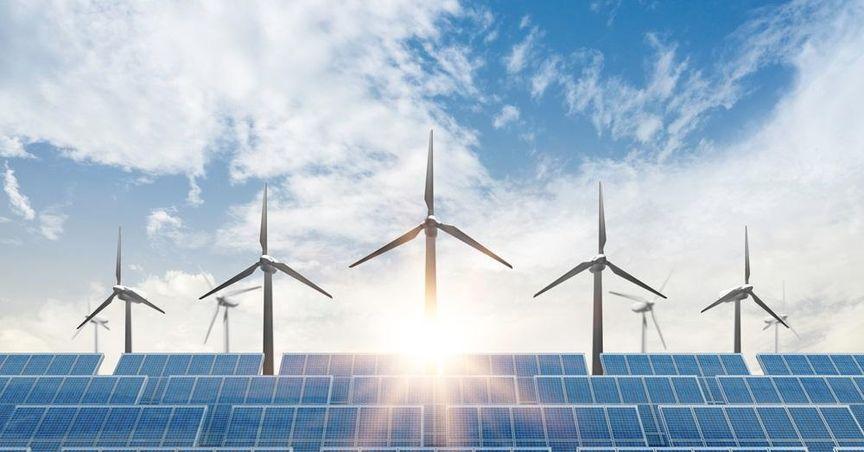
The transition towards renewable energy continues to shape the utilities sector, with companies investing in technologies such as wind, solar, and hydroelectric power. This transformation reflects broader environmental and policy objectives aimed at reducing carbon emissions.
SSE’s involvement in renewable energy projects highlights its participation in this sector-wide shift. The development of renewable assets contributes to diversification within its generation portfolio, supporting the integration of cleaner energy sources.
The transformation of the energy sector involves both technological innovation and infrastructure development. Companies must balance traditional energy generation with the adoption of new technologies, reflecting the evolving nature of the industry.
Within categories such as FTSE dividend stocks, utilities companies often feature prominently due to their established market presence and infrastructure-based operations.
Sector Integration and Broader Market Activity
The utilities sector operates in close connection with other industries, including manufacturing, transportation, and technology. Energy supply forms a fundamental component of economic activity, supporting operations across sectors.
SSE’s role within this environment reflects the interconnected nature of energy infrastructure, where developments in one area can influence broader market conditions. The company’s operations contribute to the stability and functionality of the UK energy system.
Market activity within indices such as the FTSE 350 reflects the combined influence of multiple sectors, with utilities playing a key role due to their essential services.
The interaction between energy companies and other industries highlights the importance of infrastructure in supporting economic development. SSE continues to operate within this framework, where energy provision remains central to market activity.
