
 AUS
AUS
 NZ
NZ
 UK
UK
 CA
CA
 USA
USA
 IND
IND






Highlights
- Agricultural sector activity draws attention within UK markets
- Trading patterns show movement beyond established averages
- Operational footprint across Southeast Asia remains central
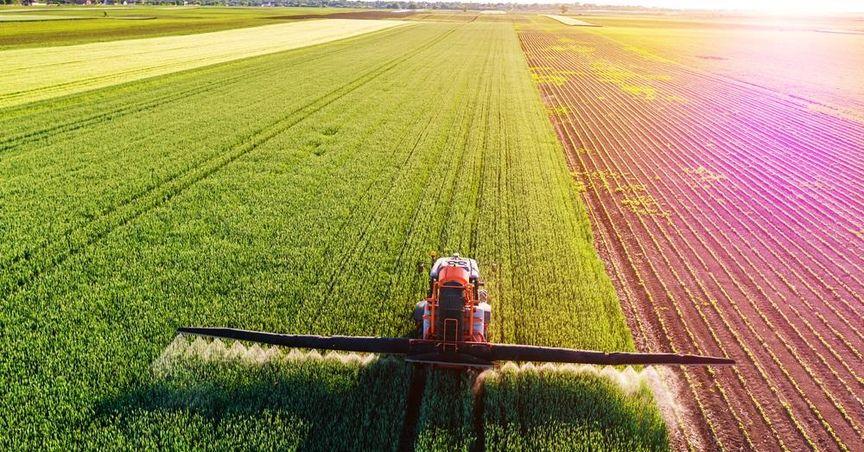
The agricultural production sector plays a vital role in supplying essential commodities to global markets, with plantation-based businesses contributing significantly to raw material availability. M.P. Evans Group (AIM:MPE) operates within this segment and is listed on the FTSE AIM UK index, reflecting its position among smaller yet established enterprises in the United Kingdom’s public markets.
Sector Context and Market Position
Global agricultural landscape and UK linkage
Agriculture remains a foundational industry, connecting land-based production with supply chains that extend across continents. Companies engaged in plantation agriculture contribute to a steady stream of raw commodities used in food, manufacturing, and consumer goods. Within the United Kingdom, firms engaged in overseas agricultural operations often maintain listings on market segments such as those associated with FTSE classifications, allowing broader market access while maintaining operational bases abroad.
The structure of these enterprises typically combines land stewardship, crop cultivation, and processing capabilities. This integrated approach supports continuity in supply chains while allowing adaptability to varying regional conditions. In this context, plantation-focused groups continue to align their operations with environmental certification frameworks, which have become increasingly relevant in global commodity trade.
Within broader UK market groupings, entities of this nature contribute to diversification across sectors. The inclusion of agricultural producers complements industries such as energy, financial services, and manufacturing, forming part of the wider FTSE all share framework that reflects the breadth of listed companies.
Trading behaviour and technical movement
Recent trading sessions have highlighted movement in share performance beyond a long-established trend line. Such transitions are often observed by market participants as indicators of changing momentum. In the case of M.P. Evans Group (AIM:MPE), activity during recent sessions has reflected a shift in positioning relative to historical trading ranges.
Trading volume during these sessions has demonstrated engagement from market participants, with activity levels reflecting a steady flow of transactions. While the presence of such activity does not determine direction, it contributes to a broader understanding of market engagement. Movement beyond longer-term averages can draw attention within trading circles, especially when accompanied by consistent participation.
Technical observations form part of a wider toolkit used in evaluating market dynamics. These observations are typically considered alongside operational developments and external factors affecting the sector. In agricultural businesses, such factors may include weather patterns, logistical conditions, and regulatory frameworks, all of which influence operational continuity.
Operational footprint and sustainability focus
The company’s operational base spans multiple regions within Southeast Asia, where climatic conditions support plantation agriculture. These regions provide the environmental context necessary for cultivating crops associated with edible oils and related derivatives. The geographical spread of operations allows diversification across locations, reducing dependence on a single area.
Sustainability certification remains central to plantation management practices. Agricultural producers operating in international markets often align with recognised standards that govern environmental stewardship, labour conditions, and traceability. Such alignment supports participation in global supply chains where certification has become a prerequisite for market access.
In addition to cultivation, processing facilities form part of the operational framework. These facilities enable the transformation of raw agricultural produce into usable materials, facilitating integration across production stages. This integrated structure supports continuity in operations while maintaining alignment with logistical networks that distribute products to end markets.
Market indices and positioning within UK frameworks
The company is associated with the FTSE AIM UK 50 Index, which represents a selection of companies listed on the Alternative Investment Market. This index provides a snapshot of enterprises operating across various sectors, including agriculture, technology, and industrial services.
Participation in this index reflects the company’s standing within the AIM segment, which is known for accommodating businesses at different stages of development. The index composition allows for a diverse representation of industries, contributing to a broader understanding of market activity within this segment.
In addition, the broader Indexftse Ukx serves as a benchmark for larger UK-listed entities, offering context for comparing different tiers within the market. While the company operates within a different segment, its presence contributes to the overall composition of UK-listed businesses across multiple indices.
Companies engaged in agricultural production may also attract attention within thematic groupings such as FTSE dividend stocks, particularly where consistent operational performance aligns with shareholder distributions. Such thematic classifications highlight the role of sector diversity within UK markets.
Corporate activity and ownership structure
Ownership structures within listed companies often include a mix of institutional participation and internal stakeholders. Activity involving internal stakeholders may be disclosed through regulatory filings, providing transparency regarding share movements. Such disclosures contribute to market awareness without determining direction or valuation.
In the context of M.P. Evans Group, recent disclosures have referenced transactions involving internal stakeholders. These events are part of standard reporting practices within listed entities and are monitored as part of governance frameworks. The presence of such disclosures underscores adherence to regulatory requirements associated with public listings.
Corporate governance within agricultural enterprises typically extends to land management, environmental compliance, and stakeholder engagement. These elements form part of a broader framework that supports operational continuity and alignment with market expectations. Transparency in reporting remains a key component of this framework, reinforcing trust within the market environment.
The historical background of plantation-based enterprises often reflects longstanding involvement in agricultural activities. Over time, such businesses have evolved to incorporate modern practices, including sustainability initiatives and technological integration. This evolution highlights the dynamic nature of the agricultural sector within global markets.
Across UK markets, the presence of companies with overseas operations illustrates the interconnected nature of global trade. Agricultural producers listed in the United Kingdom contribute to supply chains that extend beyond national boundaries, linking production regions with consumer markets worldwide. This interconnectedness reinforces the importance of maintaining operational standards aligned with international expectations.
As market participants continue to observe developments within the agricultural sector, factors such as sustainability practices, operational efficiency, and supply chain integration remain central themes. These elements shape the broader narrative surrounding plantation-based enterprises and their role within global commodity markets.
Within the UK context, listings on the Alternative Investment Market provide a platform for such enterprises to access capital markets while maintaining operational flexibility. This platform supports a diverse range of industries, enabling companies with international operations to participate in the UK’s financial ecosystem.
The agricultural sector’s interaction with financial markets underscores the importance of transparency, compliance, and adaptability. Companies operating in this space navigate a complex environment shaped by environmental considerations, regulatory frameworks, and market dynamics. Their presence within UK indices contributes to a comprehensive representation of global industries within domestic markets.
Ongoing developments within plantation agriculture continue to attract attention from various stakeholders, reflecting the sector’s role in meeting global demand for essential commodities. The interplay between operational practices and market activity remains a defining characteristic of this segment, highlighting its significance within both regional and international contexts.
Through its listing and operational presence, the company remains part of a broader narrative that connects agricultural production with financial markets. This connection underscores the evolving relationship between traditional industries and modern market structures, illustrating how longstanding sectors adapt to contemporary frameworks.
Market engagement with agricultural enterprises reflects an ongoing interest in sectors that combine tangible production with global distribution networks. The presence of such companies within UK indices contributes to the diversity of market offerings, supporting a wide spectrum of industries within the financial landscape.
As the agricultural sector continues to evolve, its integration with financial markets highlights the importance of maintaining alignment between operational practices and market expectations. This alignment supports continuity in both production and market participation, reinforcing the sector’s role within the global economy.
The broader context surrounding plantation agriculture remains shaped by environmental, logistical, and regulatory considerations. These factors collectively influence operational outcomes and market perception, contributing to a nuanced understanding of the sector’s position within global markets.
In summary, the interplay between agricultural operations and market activity continues to define the role of plantation-based enterprises within UK indices. Their participation reflects a balance between traditional production practices and modern market engagement, illustrating the dynamic nature of this sector.
