
 AUS
AUS
 NZ
NZ
 UK
UK
 CA
CA
 USA
USA
 IND
IND






HIGHLIGHTS
Glencore (LSE:GLEN) maintains a central role in the global mining and commodities sector while operating within the FTSE 100.
The company’s operational network spans copper, energy materials, metals trading and large-scale industrial production.
Broader FTSE conversations continue to reference Glencore’s influence across international supply chains, critical minerals and resource management.
Glencore’s mining operations, trading networks and FTSE 100 presence reinforce its influence across global commodities markets and industrial supply chains.
Glencore (LSE:GLEN) operates within the global mining and commodities sector, a field defined by large-scale resource extraction, metal production, trading networks and integrated supply systems that support industrial demand across multiple continents. The organisation manages extensive mining operations, processing facilities, logistics structures and trading channels for key resources including copper, zinc, nickel, coal, cobalt and other industrial materials. These resources underpin manufacturing, construction, energy production and infrastructure development across global markets.
As a member of the FTSE 100, Glencore stands among the most influential companies listed on the London market. Entities in this index typically demonstrate extensive operational scale, international influence and long-term industry relevance. Glencore’s activities extend across dozens of countries, reflecting the global nature of its supply chains, marketing divisions and mining assets.
The mining sector requires meticulous planning, geological assessment, engineering expertise and regulatory compliance. Glencore’s operations involve large teams of geologists, metallurgists, engineers, environmental specialists and logistics coordinators who support site development, extraction processes, smelting, refining and commodity movement. Each stage requires precision, safety oversight and strategic allocation of resources.
Copper remains one of Glencore’s most significant product categories, supporting infrastructure development, manufacturing and the electrical systems powering multiple industries. The organisation’s copper portfolio includes mines, smelters and refineries across major resource-producing regions. These assets generate materials essential for modern technologies, power grids, construction and transportation.
Glencore’s presence in the FTSE all share universe reflects its substantial contribution to the broader UK investment landscape. The company’s diversification, scale and market presence influence discussions involving resource availability, industrial production and global supply challenges.
Copper Production, Industrial Demand and Global Supply Structures
Glencore (LSE:GLEN) manages one of the world’s most extensive copper portfolios, contributing significantly to global supply. Copper plays a vital role in electrical wiring, energy systems, power transmission networks, industrial machines, renewable energy installations and transportation technologies. Its widespread usage places copper at the centre of long-term industrial planning and large-scale manufacturing.
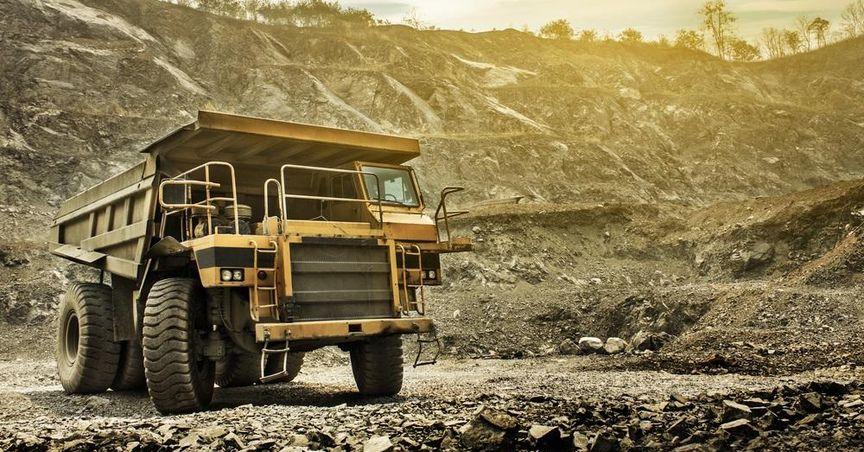
The company’s copper operations span open-pit mines, underground shafts, concentrators, smelters and refineries. Each site performs a specific function within the copper production chain. Ore extracted from mines undergoes processing stages that separate valuable minerals from waste materials. Concentration, smelting and electrorefining transform raw material into commercially usable copper units ready for industrial customers.
Copper demand continues to evolve due to increased use in power grids, high-capacity electronics, emerging technologies and infrastructure modernisation. Glencore supports this demand through steady production, supply agreements and global logistics coordination. Its marketing teams collaborate with industrial buyers, manufacturers and commodity traders to maintain consistent movement through supply channels.
Managing copper operations requires long-term environmental stewardship, community engagement and compliance with regional regulations. Glencore works with governments, environmental agencies and host communities to maintain responsible extraction standards that align with sustainability priorities. These include land rehabilitation, water management, emissions control and biodiversity protection.
Glencore’s role within the FTSE environment underscores copper’s strategic importance in energy transitions, transportation upgrades and international development. As a result, copper production influences economic activity across both developed and emerging markets, making the company a notable contributor to sector-wide discussions.
Copper also intersects with debates linked to FTSE dividend stocks categories due to the historical role of commodities firms within distribution-focused corporate structures. While each organisation follows its own financial model, the presence of resource companies often carries relevance in income-oriented market observations.
Energy Materials, Industrial Minerals and Sector Diversification
Glencore (LSE:GLEN) maintains a broad portfolio of energy materials and industrial minerals essential for global production systems. The company’s operations span metallurgical coal, thermal coal, cobalt, zinc, nickel and ferroalloys. These materials are used in steelmaking, energy generation, battery production, alloy manufacturing and numerous industrial applications.
Steelmaking relies heavily on metallurgical coal and ferroalloys supplied by companies like Glencore. These resources allow steel producers to achieve optimal chemical composition, strength and durability across a wide range of applications in construction, infrastructure and manufacturing. Glencore’s mining and trading operations help support steel industry demand across Asia, Europe, the Americas and other markets.
Cobalt represents another crucial material within Glencore’s portfolio. Essential for battery production, especially in electric transport and grid storage systems, cobalt remains a critical mineral in global supply chains. Glencore operates major cobalt mines and refining operations, providing stable supply routes for battery producers and industrial manufacturers.
Nickel plays a similarly important role in battery technologies, stainless steel production and alloy development. It contributes to corrosion resistance, material hardness and battery energy density. Glencore’s nickel assets enable the company to support customers across automotive, industrial and technological sectors.
The company’s involvement in energy materials positions it at the centre of global conversations surrounding resource security, electrification needs and industrial resilience. These materials underpin infrastructure growth, economic development and manufacturing stability across multiple regions.
As part of the FTSE 100, Glencore’s energy portfolio contributes to an understanding of commodity market dynamics and long-term resource planning. The presence of resource giants like Glencore helps provide insight into the supply landscape that shapes industrial production worldwide.
Trading Operations, Global Logistics and Commercial Integration
One of Glencore’s defining features is its integrated trading business. Unlike many mining companies that operate strictly within extraction, Glencore is simultaneously one of the world’s largest commodity traders, connecting supply and demand across global markets.
The company’s trading teams support the movement of metals, minerals, oil products and agricultural commodities. These operations utilise a network of shipping routes, storage hubs, rail systems, trucking fleets and port facilities across numerous regions. Trading activities enable Glencore to respond quickly to market developments, coordinate shipments and supply industrial clients with essential materials.
Commodity trading requires extensive risk management frameworks, sophisticated analysis of supply chains, strong relationships with producers and buyers, and real-time operational coordination. Glencore’s commercial teams maintain long-standing relationships with smelters, refiners, manufacturers, power producers and commodity distributors.
Transport logistics form a central pillar of the company’s commercial strategy. The organisation oversees a global fleet of chartered vessels, rail logistics agreements, terminal facilities and storage tanks. These assets support seamless product movement from extraction sites to processing facilities and end-users.
Trading also provides the company with unique market insights. By being active in procurement, distribution and trading channels, Glencore maintains a comprehensive understanding of supply volatility, industrial requirements and commodity flows. This integrated model differentiates the company within the global mining landscape.
Participation in the FTSE all share ecosystem helps frame Glencore’s contributions to the broader UK investment and industrial environment. The combination of mining assets and trading operations ensures consistent relevance across discussions involving resource allocation, global supply chains and industrial production capacity.
Sustainability, Environmental Stewardship and Responsible Resource Development
Glencore (LSE:GLEN) operates in a sector where environmental responsibility and sustainability commitments play a significant role in long-term strategy. Mining operations require careful management of land use, water resources, air quality, emissions and biodiversity. Glencore maintains environmental oversight systems designed to align activities with international sustainability expectations.
Rehabilitation programmes form a crucial component of the company’s sustainability approach. Mining sites must be restored after extraction activities conclude, ensuring land stability, vegetation recovery and long-term ecological balance. Glencore develops mine closure plans that incorporate community feedback, regulatory compliance and environmental science.
Water management remains essential within the mining process. The company deploys systems designed to minimise water consumption, prevent contamination and reuse water where possible. These processes align with global standards for responsible water stewardship in industrial activities.
Energy efficiency and emissions reduction also contribute to the organisation’s sustainability strategy. Glencore seeks to improve energy usage in smelting, refining and processing facilities while supporting industry-wide transitions toward cleaner resource extraction methods. These efforts reflect broader environmental priorities across the mining and commodities sector.
The company integrates social sustainability through community partnership programmes, local employment initiatives, educational support, health initiatives and regional development collaborations. Engagement with host communities forms an essential aspect of maintaining socially responsible operations, especially in regions where mining constitutes a major economic driver.
Glencore’s sustainability commitments align with wider FTSE discussions on environmental practices, corporate social responsibility and sustainable resource development. These considerations have become increasingly important within the investment community, regulatory frameworks and industry coalitions.
