
 AUS
AUS
 NZ
NZ
 UK
UK
 CA
CA
 USA
USA
 IND
IND







Summary
- Plant-based meat, or meatless meat, is an essential element for people who prefer a vegan diet and adopt a lifestyle devoid of animal-based foods.
- Plant-based meats are often low in calories and saturated fat while having high fibre and iron.
- Plant-based alternatives have gained popularity driven by a growing awareness of the benefits of plant-based products and the harmful impact of animal meat.
New meat replacement options are increasingly robbing the retail industry of the animal-based products they simulate. This is due to the developments in ingredient technology to offer better, simpler, cleaner, and more authentic replacements. Nowadays, consumers have grown to accept plant-based ground meats and are looking for products that are clean label with good nutritional value.
ALSO READ: Animal product alternatives: Exciting growth sector or overnight fad?
Source: © Andreistanescu|Megapixl.com
What is plant-based meat?
Put simply, plant-based meat is prepared from plants and manufactured to feel, taste, and appear similar to animal-based meat.
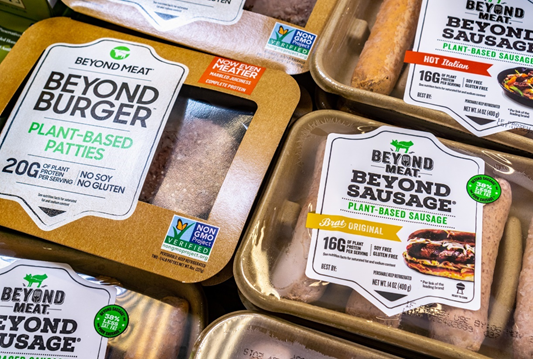
Nowadays, plant-based meat options are available in most local supermarkets or grocery stores. While plant-based meat is typically more expensive than animal-based meat, it is witnessing a rise in demand, driven by its perceived benefits. Besides, meatless meat is an attractive option for the sizeable vegetarian population worldwide.
Is plant-based meat healthy?
The answer is yes! Plant-based meats are healthier than regular meat as they have low amounts of saturated fat and calories. Besides, plant-based meats are a good source of fibre, folate, and iron. Plant-based meat products usually include vegetables, which bring their own minerals, micronutrients, and vitamins.
Notably, limiting the intake of saturated fats and cholesterol can reduce the risks of developing diseases, including type 2 diabetes, hypertension, obesity, and other chronic metabolic health indications. Additionally, eating a high fibre diet can reduce the risk of developing colon, breast, and other digestive-related cancers.
The benefits of plant-based meat are as follows:
- More nutritious: Plant-based meats are more nutritious on the whole and have fewer calories, saturated fat, and cholesterol, with high fibre and protein content.
- More eco-friendly: Plant-based meats products generally emit fewer greenhouse gases (almost 90% less) than classic animal protein production.
- Does not require animal slaughter: There is no need to slaughter any animals to make plant-based meats.
INTERESTING READ: Jatcorp (ASX:JAT) to Produce Plant-Based Meat Alternatives in China
Pros & Cons of plant-based meat
The pros:
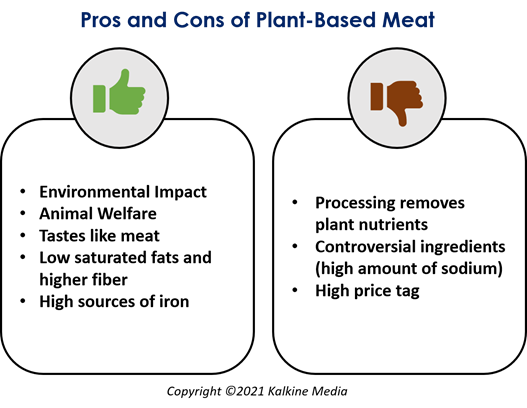
Although plant-based meats are produced from multiple processed ingredients, they are better for the environment and animal welfare. Plant-based meats still contain saturated fat, but it is far less than animal meat on average.
Plant-based meats also contain fibre and lots of protein, almost as much as animal-based meats.
The cons:
For all its benefits, meatless meat has a few disadvantages as well. Because of the processed nature, plant-based meats do not provide a plethora of nutrients. These alternatives often contain more sodium than animal meats, in some cases up to even six times more.
Also, some plant-based meats contain added sugars, artificial colours, and controversial additives such as carrageenan and methylcellulose, which are bulking agents.
ALSO READ: Beyond Meat (BYND) & SunOpta (SOY): Stocks To Tap The Future of Food
Plant-based meat replacing animal-based meat
Plant-based meat offers an alternative combining ingredients in several innovative ways. This meat delivers the complete culinary experience of animal-based meat without harming any single animal. The concern for a healthy diet and the growing animal rights awareness is driving the plant-based meat space across the globe.
Presently, plant-based meat is an essential element for people who prefer a vegan diet and implement a plant-based eating lifestyle devoid of animal-based foods. Plant-based food products comprise iron, fibre, protein, and vitamins C intakes and processed in lesser saturated fats and calories. Also, due to its meaty texture, juiciness, and fibrous consistency like meat, plant-based meat consumption is increasing worldwide and giving footing to this market.
Plant-based alternative meats have gained considerable popularity due to the increase in awareness about the impact of animal meat on environment and overall health.
In a nutshell, plant-based meat is a healthier option compared to animal meats. However, complete replacement of animal meats with plant-based meats might not be the best option as they are highly processed and, thus, must only be consumed in moderation.
DO READ: NZ all set to get its first ever plant-based Oat Milk Facility
