
 AUS
AUS
 NZ
NZ
 UK
UK
 CA
CA
 USA
USA
 IND
IND


.jpg)





Transformation of the New Zealand dairy sector is regularly discussed in farming circles, both by media, and the Government. A transformation is necessary for New Zealand farmers to better compete on the global stage, to ensure the sustainability and longevity of the industry, and to maximise returns. Transformation plans discussed typically include a shift to producing high-value products rather than low-value milk powder, reducing dairy sector’s environmental impact, drought proofing, and increasing the output produced per animal.
How did NZ dairy sector perform in 2020?
The dairy sector in New Zealand faired incredibly well in 2020. In defiance to COVID-19 and national lockdowns, the sector has increased revenue. The dairy sector is very much an export industry and the highly prized export markets remained accessible to dairy producers throughout the year.
Even so, with New Zealand exploring ways to stimulate the economy, special attention should be given to the nation’s dairy sector. It is after all our largest export product (worth 19 billion annually), employs more than 45,000 workers, and contributes 3.5% to our national GDP. There is no better time than now to make a concerted effort to transform the New Zealand dairy sector.
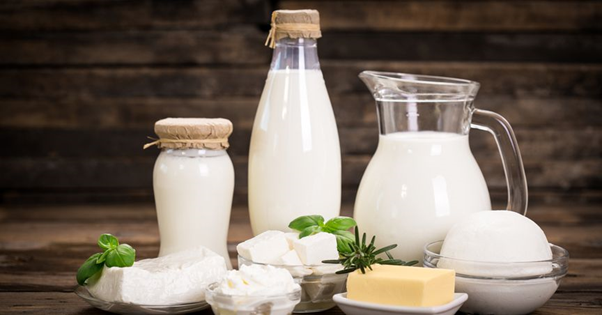
Source: Shutterstock
Where to direct stimulus?
- According to Dairy NZ’s chairman Jim van der Poel, the current R&D investment strategy is not appropriate to propel large-scale transformation across the sector. Van der Poel notes that funding is directed at a scattered array of projects and incentivises short-term solutions. Rather, a long-term, organised strategy needs to be implemented to collectively address challenges that can be solved by advances in science and technology.
- The globe has entered its La Nina weather pattern phase which will exacerbate New Zealand’s increasingly dry conditions. 63% of New Zealand farmers reported that they were affected by drought in the past year. Water storage solutions should be implemented now to ensure the sustainability of the sector in harsh times and allow for an increase in production during times of plenty.
- New Zealand has been the world’s largest supplier of milk powder for the last 15 years and the country’s production and supply chains are firmly entrenched. Shifting production from low-value milk powder to high-value commodities requires a huge amount of investment in infrastructure and equipment, as well as crafting and commercialising a point of difference for our high-value dairy products. Farmers cannot fiscally manage this transformation alone and would require a support from central and local government to ensure its successful implementation.
- Farmers are doing their part to reduce their environmental impact but are hesitant to interfere with the profitability of their respective farms. It takes time for farmers to change their mode of production to fit the environmental regulations passed by government. Extra support from central agencies in the form of capital. as well as expert guidance can help expediate this transformation.
